

Tired of sticky honeydew coating your plants like an unwelcome guest? Imagine enjoying your garden without the pesky presence of this sugary nuisance. How can you reclaim the beauty of your plants and bid farewell to honeydew for good?
Picture this: You step outside, eager to tend to your lush greenery, only to find it marred by a sticky residue that attracts ants and mold. Fret not, as we’ve got you covered with simple yet effective solutions to combat honeydew and restore your plants’ health.
Key Takeaways
- Honeydew is a sticky substance excreted by sap-sucking insects like aphids and scale insects, attracting ants and promoting sooty mold growth.
- Signs of honeydew on plants include sticky residue, sooty mold formation, and increased ant activity.
- Commonly affected plants by honeydew infestations are roses, citrus trees, maple trees, tomatoes, cucumbers, squash plants, and ornamental flowers.
- Preventive measures include regular monitoring, maintaining good plant hygiene, using natural predators like ladybugs or lacewings, and choosing resistant plant varieties.
- Treatment options for addressing honeydew issues range from mechanical removal techniques to natural predators and biological controls to chemical treatments when necessary.
Understanding Honeydew on Plants
Honeydew is a sticky, sugary substance excreted by sap-sucking insects like aphids and scale insects. It can coat your plants, attracting ants and promoting the growth of sooty mold.
What Is Honeydew?
Honeydew is a secretion produced by certain insects as they feed on plant sap. This sugary liquid can accumulate on leaves and stems, giving them a shiny or sticky appearance.
Sources and Consequences of Honeydew
The primary sources of honeydew are aphids, scale insects, whiteflies, and mealybugs. When these pests feed on plant sap, they excrete honeydew in the process. The consequences of honeydew include attracting ants that “farm” the sweet substance for their own consumption. Additionally, sooty mold often grows on honeydew-coated surfaces, affecting photosynthesis and overall plant health.
By understanding the origins and effects of honeydew on plants, you can take proactive steps to address this issue effectively.
Identifying Honeydew Infection
When dealing with honeydew on plants, recognizing the signs of its presence is crucial in addressing the issue effectively. Here are some key indicators to help you identify a honeydew infection and understand which plant species are commonly affected.
Signs of Honeydew Presence
- Sticky Residue: One of the most apparent signs of honeydew is finding a sticky, shiny residue on your plant leaves or surrounding surfaces. This sugary substance is excreted by sap-sucking insects like aphids, scale insects, whiteflies, and mealybugs as they feed on plant juices.
- Sooty Mold Formation: Another common indication of honeydew presence is the development of sooty mold on plant surfaces. This black fungus thrives on the sugary secretions left behind by honeydew-producing insects, leading to a dark, powdery coating on leaves.
- Ant Activity: Since ants are attracted to the sweet honeydew excreted by pests like aphids, you may notice an increased presence of ants crawling around your plants. Ants “farm” aphids for their honeydew secretion and protect them from predators in exchange for this sugary reward.
- Various plant species can fall victim to honeydew infestations caused by sap-sucking insects. Commonly affected plants include roses, citrus trees, maple trees, tomatoes, cucumbers, squash plants, and many ornamental flowers.
By being vigilant for these signs and knowing which plants are susceptible to honeydew infestations, you can promptly take action to address the issue before it escalates further and restore your plants’ health and vitality.
Preventive Measures
To prevent honeydew buildup on your plants, you should take proactive steps to keep them healthy and free from infestations. Here are some preventive measures you can implement:
Recommended Products

Step-by-Step Usage Guide – Each order includes detailed instructions on how to release, store, and maximize the benefits of your ladybugs for a thriving garden.

Ladybug lover, garden pest control, beneficial insects, organic gardening, aphid predator, ladybird beetle, nature enthusiast, garden protector, sustainable farming, cute bug art.
Regular Monitoring and Maintenance
Regularly inspect your plants for signs of honeydew, such as sticky residue on leaves or stems, the presence of sooty mold, and increased ant activity. By catching these indicators early on, you can address the issue promptly before it escalates.
Maintain good plant hygiene by removing any debris or dead plant material that may attract sap-sucking insects. Prune affected areas to eliminate infested parts and improve air circulation around the plant to discourage pests.
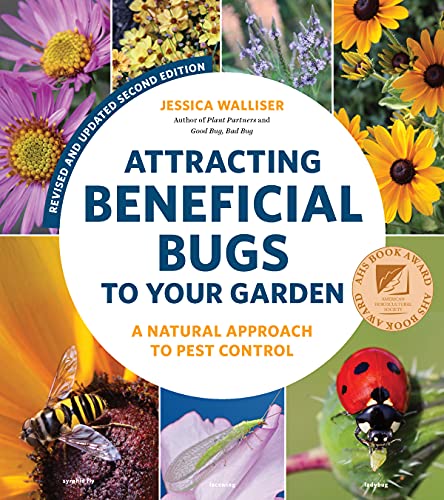
Consider using natural predators like ladybugs or lacewings to control aphid populations naturally. These beneficial insects can help keep pest numbers in check without the need for chemical interventions.
Choosing Resistant Plant Varieties
When selecting plants for your garden or landscape, opt for varieties known to be resistant to common sap-sucking insects like aphids and scale insects. Research different cultivars that exhibit natural resistance traits to reduce the likelihood of honeydew infestations.
Planting a diverse range of species can also help create a more balanced ecosystem that is less prone to pest outbreaks. Mixing flowering plants with herbs and vegetables not only adds visual interest but also attracts beneficial insects that prey on honeydew-producing pests.
By incorporating these preventive measures into your gardening routine, you can effectively minimize the risk of honeydew infestations and maintain healthy, thriving plants in your outdoor space.
Effective Treatment Options
To effectively address honeydew issues on your plants, consider the following treatment options that can help you combat the problem efficiently.
Recommended Products

Protect plants from insect damage with Systemic Houseplant Insect Control Granules from Bonide; this product is a low odor ready-to-use solution for containerized plants

INDOOR & OUTDOOR HOUSEPLANT CARE: Houseplant Insect & Mite Control provides insect control, plant mite control, and disease control all in one; Use to protect houseplants, flowers, and herbs indoors and outdoors

GNAT CONTROL FOR INDOOR PLANTS: This bundle includes our natural plant bug spray and 12 gnat sticky traps for plants; this powerful gnat spray for indoor plants kills fungus gnats, spider mites, and fruit flies; use it with our sticky traps for enhanced pest control, ensuring thorough coverage and effective elimination of bugs and pests in your home and garden; it's the perfect solution for getting rid of fruit fly and fungus gnats (please contact us if the traps are missing and we will send a replacement)
Mechanical Removal Techniques
For small infestations of honeydew-producing insects like aphids, scale insects, or mealybugs, you can physically remove them from your plants. Here’s how you can do it:
- Pruning: Trim off heavily infested plant parts to reduce the insect population.
- Hosing: Use a strong stream of water to dislodge and wash away the pests from the leaves.
- Handpicking: Carefully pick off larger insects like caterpillars and beetles from your plants.
These mechanical removal techniques offer a non-toxic and environmentally friendly way to manage minor honeydew problems without resorting to chemical treatments.
Natural Predators and Biological Controls
Introducing beneficial insects that prey on honeydew-producing pests can be an effective biological control method. Consider the following natural predators to help keep these pests in check:
- Ladybugs (Ladybird Beetles): Known for their voracious appetite for aphids, ladybugs are excellent allies in controlling aphid populations.
- Lacewings: These delicate insects feed on various soft-bodied pests like aphids, mealybugs, and mites.
- Parasitic Wasps: Certain species of parasitic wasps lay eggs inside aphids, eventually killing them and reducing their numbers.
By attracting and supporting these natural predators in your garden, you create a balanced ecosystem that helps manage honeydew-infesting insects naturally.
Chemical Treatments: When and How to Use
In severe cases where mechanical methods or biological controls are insufficient, chemical treatments may be necessary. When considering chemical options for treating honeydew on your plants:
- Identify the Pest: Determine the specific pest causing the issue before selecting an appropriate pesticide.
- Follow Instructions Carefully: Read and strictly adhere to the instructions provided on the pesticide label for safe and effective application.
- Consider Targeted Sprays: Opt for targeted insecticidal soaps or horticultural oils that are less harmful to beneficial insects but still effective against pest populations.
When using chemical treatments, always prioritize safety measures for yourself, other organisms in your garden, as well as beneficial insects essential for maintaining a healthy ecosystem.
Conclusion
You’ve learned about the impact of honeydew on plants and how to tackle this sticky issue. By taking preventive measures, like regular monitoring and maintaining plant hygiene, you can keep honeydew at bay. Incorporating natural predators and diverse plant species also helps create a balanced environment that discourages infestations. When dealing with honeydew problems, consider gentle removal methods or introducing beneficial insects before resorting to chemicals. Remember, safety first when using treatments to safeguard your garden’s ecosystem. With these strategies in place, you’re well-equipped to protect your plants from the nuisance of honeydew and ensure their continued health and vitality.
Frequently Asked Questions
What is honeydew and why is it a concern for plant health?
Honeydew is a sticky substance produced by sap-sucking insects like aphids, attracting ants and leading to sooty mold growth, which can harm plants.
How can I prevent honeydew buildup in my garden?
Regularly monitor for signs of sticky residue, sooty mold, and increased ant activity. Maintain plant hygiene, use natural predators like ladybugs, select resistant plant varieties, and plant a diverse range of species.
What are some effective treatment options for honeydew issues?
For small infestations, use mechanical removal techniques. Introduce natural predators like ladybugs and lacewings. Use chemical treatments as a last resort with safety precautions to protect beneficial insects.
