

Have you ever wondered why your fruit trees aren’t producing as much as you hoped? You’re not alone. Many gardeners face the challenge of getting their trees to thrive and bear delicious fruit. The good news is that the right fertilization can make all the difference.
In this article, you’ll learn simple yet effective techniques to nourish your fruit trees. From understanding the nutrients they need to knowing when and how to apply fertilizers, you’ll gain the tools to help your trees flourish. With a little effort, you can enjoy a bountiful harvest and healthier trees for years to come.
Key Takeaways
- Importance of Fertilization: Proper fertilization is essential for healthy fruit tree growth, improving vitality, fruit quality, and resilience against pests and diseases.
- Nutrient Needs: Understand primary (nitrogen, phosphorus, potassium), secondary (calcium, magnesium, sulfur), and micronutrients (iron, zinc, boron) required by fruit trees for optimal growth and fruit production.
- Optimal Timing: Fertilize in early spring when trees start to grow, and consider a second application in late summer to support fruit development without overstimulating growth.
- Application Methods: Use various methods such as broadcasting, soil drenching, fertilizer stakes, and foliar feeding to ensure effective nutrient uptake.
- Organic vs. Synthetic: Choose organic fertilizers for soil health and gradual nutrient release, and synthetic fertilizers for quick growth due to their immediate nutrient availability.
- Soil Testing: Conduct regular soil tests to tailor fertilizer applications to your specific soil conditions, ensuring optimal nutrient availability for your trees.
Importance Of Fertilising Fruit Trees
Fertilising fruit trees plays a critical role in achieving healthy growth and fruitful yields. Nutrient availability directly affects tree vitality, fruit quality, and productivity. Proper fertilisation promotes robust root systems, strong branches, and abundant blossoms.
Enhances Growth
Fertilisation provides essential nutrients like nitrogen, phosphorus, and potassium. Nitrogen supports leafy growth, phosphorus contributes to root development, and potassium enhances overall plant health. Balanced nutrients lead to vigorous trees capable of better withstanding environmental stressors.
Increases Fruit Production
Well-fertilised trees produce more fruit. Adequate nutrients improve flower formation and fruit set, resulting in larger and more plentiful harvests. Applying fertiliser at the right time can significantly boost yields, ensuring ample fruit for consumption or sale.
Improves Fruit Quality
Healthy trees produce high-quality fruit. Fertilising optimally can enhance flavor, texture, and nutritional content. For instance, potassium improves fruit ripening, while phosphorus enhances sugar content, ultimately leading to sweeter fruits.
Fights Pests and Diseases
Fertilised trees are often more resilient against pests and diseases. Strong trees can better withstand attacks from harmful insects, fungi, and bacteria. Ensuring your trees receive balanced nutrition strengthens their inherent defenses, leading to fewer health issues over time.
Supports Soil Health
Fertilising fruit trees also benefits soil health. Adding organic matter enhances soil structure, improves water retention, and promotes beneficial microbial activity. A healthy soil ecosystem leads to enhanced nutrient availability, fostering a more conducive environment for your trees.
Timing and Method Matter
Timing and method of fertilisation are crucial for effectiveness. Early spring is often the best time to apply fertiliser, just before the growing season. Using slow-release fertilisers ensures a steady supply of nutrients over time, reducing the risk of nutrient leaching or runoff.
By understanding the importance of fertilising fruit trees, you position yourself for a fruitful gardening experience. Healthy trees yield delicious fruits for your kitchen and improve your garden’s biodiversity.
Understanding Nutrient Needs
Understanding the nutrient needs of fruit trees is crucial for optimal growth and fruit production. Each tree type requires specific nutrients, which can be categorized into primary, secondary, and micronutrients.
Recommended Products

Let our professionally formulated plant food help your fruit tree grow healthy, strong AND abundantly producing

Bloom Booster Built for Peak Season: Yardi Fruit & Bloom delivers a targeted NPK 2-15-15 formula with micronutrients to drive abundant flowering and stronger yields. Higher phosphorus and potassium maximize bloom production and fruit set at the most critical stage of the growing season.

PREMIUM QUALITY INGREDIENTS – Cz Garden Muriate of Potash is a water soluble, high purity, premium phosphate fertilizer for all indoor/outdoor flowers, lawn, and garden vegetables.
Primary Nutrients
Primary nutrients include nitrogen (N), phosphorus (P), and potassium (K).
- Nitrogen promotes leafy growth and is vital during the early growth stages. Apply fertilizers high in nitrogen in early spring to support new foliage.
- Phosphorus is essential for strong root systems and flower development. Incorporate phosphorus-rich fertilizers in the fall to prepare trees for the next growing season.
- Potassium enhances overall plant health, improving disease resistance and fruit quality. Using potassium fertilizers during the flowering and fruiting stages boosts yields.
Secondary Nutrients
Secondary nutrients consist of calcium, magnesium, and sulfur.
- Calcium strengthens cell walls and improves fruit structure. Adding lime or gypsum to the soil can increase calcium levels and improve soil pH.
- Magnesium aids in chlorophyll production, which is vital for photosynthesis. Choose Epsom salt as a magnesium source to sprinkle around trees in early spring.
- Sulfur helps in protein synthesis and enzyme function. Sulfur can be added through a sulfate-based fertilizer when needed for soil nutrition.
Micronutrients
Micronutrients are needed in smaller quantities but play essential roles in fruit tree health.
- Iron prevents yellowing of leaves, especially in alkaline soils. Applying chelated iron can quickly remedy iron deficiencies.
- Zinc supports growth and fruit set. Zinc sulfate applied to the soil or foliage can help trees experiencing growth issues.
- Boron is crucial for flower and fruit development. Use boron products to encourage better pollination and fruit development.
Fertilizing fruit trees correctly requires understanding these nutrient needs. Regular testing of soil and tree health can help you adjust nutrient application efficiently.
Best Practices For Fertilising
Fertilising your fruit trees effectively promotes strong growth and enhances fruit production. Follow these best practices to ensure your trees thrive.
Recommended Products
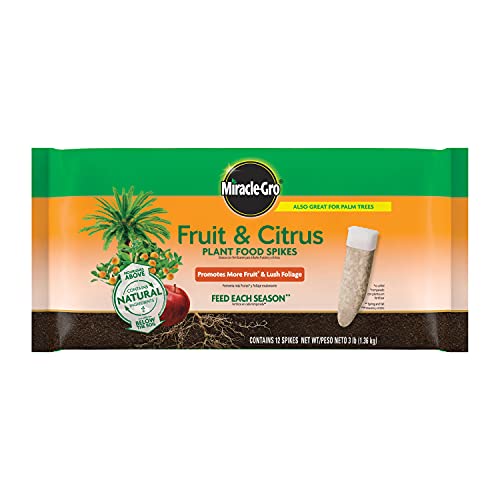
FORMULATED FOR CITRUS AND FRUIT TREES: Use these citrus fertilizer spikes on apple, orange, lemon, lime, and avocado trees; this formula is also great for feeding palm trees

Package contains 15 fruit and citrus fertilizer spikes and is produced to avoid wasteful runoff, mess, hazards and smells

Package contains 9 fruit and citrus fertilizer spikes and is produced to avoid wasteful runoff, mess, hazards and smells
Timing Of Application
Apply fertilizer during early spring, just as new growth starts. This timing maximizes nutrient uptake when trees begin to absorb energy for their growth cycle. A second application can occur in late summer, about six weeks before the expected harvest, to support fruit development without overstimulating growth. Monitor weather conditions; avoid fertilizing just before heavy rain to prevent nutrient runoff.
Methods Of Application
Use several methods to apply fertilizers effectively:
- Broadcasting: Spread granular fertilizers evenly around the base of the tree, keeping the material at least 6 inches away from the trunk to prevent root burn.
- Soil Drenching: Mix liquid fertilizer with water and apply it directly to the soil around the tree. This method ensures quick absorption and direct access to nutrients.
- Fertilizer Stakes: Insert slow-release fertilizer stakes into the soil. This method simplifies application and provides a steady nutrient supply over time.
- Foliar Feeding: Spray liquid fertilizers directly onto the leaves during the growing season. The leaves absorb nutrients quickly, making this method effective for micronutrients.
Ensure even distribution and follow the recommended rates on fertilizer labels to avoid over-fertilizing, which can harm your trees. Regular soil testing helps tailor application rates to your specific soil conditions, enhancing effectiveness.
Organic Vs. Synthetic Fertilisers
Fertilizer choices impact your fruit trees’ health and productivity. Understanding the differences between organic and synthetic fertilizers helps you make informed decisions.
Recommended Products

Package contains 4 Pounds organic fruit and citrus fertilizer grains and is produced to avoid wasteful runoff, mess, hazards and smells

Down to Earth Fruit Tree is a five pound box of all natural fertilizer with 6-2-4 formula and is listed by the Organic Materials Review Institute (OMRI) for use in organic production

FOR USE ON: Use Citrus-tone organic fertilizer for all citrus trees, including lemon, lime, orange, Meyer Lemon Trees as well as for avocado & nut trees
Pros And Cons
Organic Fertilisers
- Nutrient release: Gradual nutrient release enhances soil structure.
- Soil health: Supports beneficial microbial activity.
- Environmental safety: Low risk of chemical runoff or soil degradation.
- Trace nutrients: Provides a broader range of nutrients essential for optimal growth.
- Cons: Slower nutrient availability may require more frequent applications and can be costlier than synthetic options.
- Immediate availability: Quickly delivers nutrients, promoting fast growth.
- Cost-efficiency: Generally less expensive per nutrient.
- Precision: Easily formulated for specific nutrient ratios.
- Cons: Risks of nutrient runoff, which could lead to environmental harm. Potential soil health degradation with overuse.
- Choose organic fertilizers for long-term soil health, especially in home gardens. Look for compost, manure, or commercial organic options.
- Select synthetic fertilizers when rapid growth is essential, such as in new tree plantings. Consult product labels for specific nitrogen, phosphorus, and potassium ratios.
- Conduct soil tests before applying fertilizers. Tests ensure nutrients match your soil’s specific needs, allowing for optimal tree growth.
- Apply fertilizers in early spring for the best results. Use organic options for gradual feeding throughout the growing season.
- Consider a second application in late summer to sustain fruit development and prepare trees for winter.
Conclusion
Fertilizing your fruit trees is a rewarding investment in their health and productivity. By understanding their nutrient needs and applying the right fertilizers at the right time, you can encourage vibrant growth and bountiful harvests.
Whether you choose organic or synthetic options, remember that balance is key. Regular soil testing helps tailor your approach, ensuring your trees get exactly what they need.
With a little care and attention, your trees will thrive, producing delicious fruits and enhancing the beauty of your garden. Enjoy the journey of nurturing your trees and reaping the sweet rewards!
Frequently Asked Questions
What causes fruit trees to underperform?
Underperforming fruit trees can result from insufficient nutrients, poor soil quality, inadequate watering, and improper care. Regular soil testing and understanding nutrient needs help identify deficiencies, allowing for better fertilization and tree care.
When is the best time to fertilize fruit trees?
The best time to fertilize fruit trees is early spring, as this supports new growth. A second application can be made in late summer, about six weeks before harvest, to aid in fruit development.
What nutrients are essential for fruit trees?
Essential nutrients for fruit trees include nitrogen, phosphorus, and potassium. Nitrogen promotes leafy growth, phosphorus supports root development, and potassium enhances overall plant health and fruit quality.
How can I apply fertilizer to my fruit trees?
Fertilizer can be applied through various methods, such as broadcasting, soil drenching, or using fertilizer stakes. It’s important to distribute it evenly and follow recommended application rates to avoid over-fertilization.
What is the difference between organic and synthetic fertilizers?
Organic fertilizers release nutrients gradually, improve soil health, and have lower environmental risks. Synthetic fertilizers provide immediate nutrient availability and are often more cost-effective but can lead to nutrient runoff and soil degradation.
How do soil tests help with fertilization?
Soil tests determine the nutrient composition and pH levels of the soil. This information allows gardeners to tailor their fertilization approach, ensuring they apply the right nutrients in the appropriate amounts for optimal tree health.
