
Close Menu
    Fruit Tree Hub
    • Home
    • Apple Trees
    • Lemon Trees
    • Mango Trees
    • Orange Trees
    • More Trees
      • Best Fruit Trees
      • Apricot Trees
      • Cherry Trees
      • Fig Trees
      • Lime Trees
      • Mulberry Trees
      • Peach Trees
      • Pear Trees
      • Plum Trees
      • Pomegranate Trees
    • Tips and Advice
      • Tools
    • About Us
      • Contact
      • Privacy Policy
    Fruit Tree Hub
    Home»Fruit Trees»Walnut Trees»How to Encourage Walnut Trees to Bear Fruit
    Walnut Trees

    How to Encourage Walnut Trees to Bear Fruit

    Lucy SmithBy Lucy SmithFebruary 3, 20244 Mins Read
    Share Facebook Twitter Pinterest WhatsApp Email
    promoting fruit production in walnuts
    Share
    Facebook Twitter LinkedIn Pinterest Telegram Email

    Do you want your walnut tree to bear more fruit?

    Contents show
    1 Key Takeaways
    2 Proper Pruning Techniques
    3 Nutrient-Rich Soil and Fertilization
    4 Pollination and Cross-Pollination
    5 Pest and Disease Management
    6 Seasonal Care and Maintenance
    7 Conclusion

    It can be tough, but with the right care, you can boost your walnut tree's yield. Proper pruning and soil management are key factors to consider.

    Keep reading to learn the essential steps for helping your walnut trees thrive and produce a plentiful crop.

    Key Takeaways

    • Pruning techniques such as removing dead or diseased branches and retaining fruit-bearing wood on 2- to 5-year-old branches are important for encouraging walnut trees to bear fruit.
    • Nutrient-rich soil with a pH level between 6.0 and 7.0, enriched with organic compost, is essential for healthy walnut tree growth and fruit production.
    • Paying attention to blossom timing, attracting bees for effective pollination, and considering cross-pollination with different walnut tree varieties can improve fruit set.
    • Regularly inspecting foliage for signs of infestation or infection, implementing integrated pest management strategies, and maintaining optimal soil conditions are crucial for managing pests and diseases and promoting fruit-bearing.

    Proper Pruning Techniques

    To encourage walnut trees to bear fruit, it's essential to master proper pruning techniques to ensure optimal growth and productivity. Understanding the branch structure and growth habits of walnut trees is crucial for effective pruning.

    Start by removing dead or diseased branches to promote overall tree health. Identify and retain the fruit-bearing wood, which is typically located on 2- to 5-year-old branches. When making pruning cuts, ensure they're clean and angled to facilitate healing and discourage disease.

    MUST READ
    Where Do Walnut Trees Grow Best

    Additionally, thin out excessive growth to allow for better air circulation and light penetration, which can lead to increased fruit production. By following these proper pruning techniques, you can help your walnut trees develop a strong structure and maximize their fruit-bearing potential.

    Recommended Products

    Fiskars Bypass Pruning Shears, 5/8" Cut Capacity Gardening Scissors, Self-Cleaning Sap Groove Prevents Sticking, Non-Slip Grip for Cutting Stems & Branches, Sharp Steel Blades w/ Low-Friction Coating
    Fiskars Bypass Pruning Shears, 5/8" Cut Capacity Gardening Scissors, Self-Cleaning Sap Groove Prevents Sticking, Non-Slip Grip for Cutting Stems & Branches, Sharp Steel Blades w/ Low-Friction Coating

    CLEAN CUTS FOR LIVE GROWTH: Bypass blade design is ideal for pruning delicate flower stems and green growth, helping reduce crushing and plant damage while cutting stems and small branches up to 5/8” in diameter

    VIEW LATEST PRICE

    As an affiliate, we earn on qualifying purchases.

    VOTREK® Pruning Shears, 8.5” Professional Garden Pruner with Jam-Proof Spring & Ever-Sharp SK5 Blade, Ergonomic Bypass Clippers for Rose, Tree Trimming, Heavy Duty Bonsai Scissor for Weak Hand
    VOTREK® Pruning Shears, 8.5” Professional Garden Pruner with Jam-Proof Spring & Ever-Sharp SK5 Blade, Ergonomic Bypass Clippers for Rose, Tree Trimming, Heavy Duty Bonsai Scissor for Weak Hand

    What Makes VT-C800 Unique? Jam-Proof Sealed Spring | Ever-Sharp Dual-Coated SK5 Blades | Easy Thumb Lock | Backed by Lifetime Support

    VIEW LATEST PRICE

    As an affiliate, we earn on qualifying purchases.

    DECERK® 8.5" Professional Pruning Shears - Cuts 4X Easier with Ultra Sharp Japanese Steel Titanium Blade, Arthritis Friendly Garden Scissors & Plant Clippers, Effortlessly Prunes 3/4" Branches
    DECERK® 8.5" Professional Pruning Shears - Cuts 4X Easier with Ultra Sharp Japanese Steel Titanium Blade, Arthritis Friendly Garden Scissors & Plant Clippers, Effortlessly Prunes 3/4" Branches

    Unbreakable sharpness! Japanese SK5 steel blade with titanium coating endures 100,000 cuts. Built for lifelong clean cuts

    VIEW LATEST PRICE

    As an affiliate, we earn on qualifying purchases.

    Nutrient-Rich Soil and Fertilization

    Consider enriching the soil with essential nutrients and employing proper fertilization techniques to support the healthy growth and fruit-bearing potential of your walnut trees.

    1. Soil pH: Test the soil to ensure it has a slightly acidic pH level between 6.0 and 7.0, which is optimal for walnut trees.
    2. Organic Composting: Use organic compost to enrich the soil with essential nutrients, improving its fertility and structure.
    3. Watering Schedule: Implement a consistent watering schedule, ensuring that the soil remains moist but well-drained, especially during dry periods.
    4. Mulching Techniques: Apply a layer of organic mulch around the base of the tree to retain moisture, suppress weed growth, and provide additional nutrients to the soil.
    MUST READ
    Can Walnut Trees Thrive in Urban Settings

    Recommended Products

    Acidic Fertilizer – Liquid Plant Supplement for Lower Soil pH, Better Nutrient Uptake & Healthier Acid-Loving Plant Growth, 8 oz
    Acidic Fertilizer – Liquid Plant Supplement for Lower Soil pH, Better Nutrient Uptake & Healthier Acid-Loving Plant Growth, 8 oz

    Made for Acid-Loving Plants – Formulated to support plants that thrive in lower pH soil.

    VIEW LATEST PRICE

    As an affiliate, we earn on qualifying purchases.

    Farmer’s Secret Soil Revitalizer - Organic (OMRI Listed) Dirt Health Booster - Liquid Compost Soil Amendment - Activated Humic Acid (32oz)
    Farmer’s Secret Soil Revitalizer - Organic (OMRI Listed) Dirt Health Booster - Liquid Compost Soil Amendment - Activated Humic Acid (32oz)

    Feed the soil not the plants - stimulate microbial activity in your soil and boost probability of success with all types of plants… like composting but faster

    VIEW LATEST PRICE

    As an affiliate, we earn on qualifying purchases.

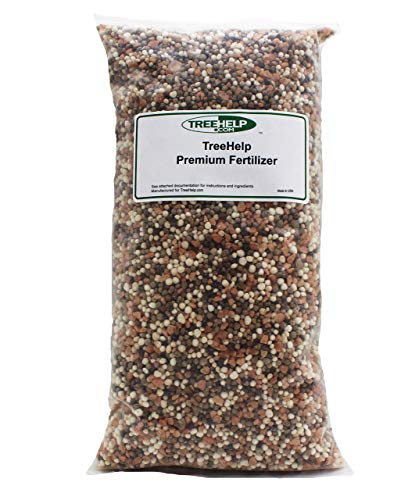
    Jobe’s Organics Granular Fertilizer, Organic Fertilizer for Palm Trees and Plants, 4 lbs Bag
    Jobe’s Organics Granular Fertilizer, Organic Fertilizer for Palm Trees and Plants, 4 lbs Bag

    Package contains 4 pounds organic fertilizer grains for palm trees and plants and is produced to avoid wasteful runoff, mess, hazards and smells
    VIEW LATEST PRICE

    As an affiliate, we earn on qualifying purchases.

    Pollination and Cross-Pollination

    Ensuring effective pollination is essential for maximizing the fruit-bearing potential of your walnut trees. Pay attention to blossom timing and weather conditions, as these factors play a crucial role in successful pollination. Walnut trees rely on wind and insects for pollination.

    Bees are particularly effective pollinators, so consider attracting them to your garden by planting bee-friendly flowers. You may even want to consider beekeeping to ensure a steady supply of pollinators during the walnut tree's flowering period.

    Be mindful of the weather, as cold or rainy conditions can hinder pollination. Cross-pollination between different walnut tree varieties can also improve fruit set.

    MUST READ
    How to Properly Water Walnut Trees

    Pest and Disease Management

    When managing pests and diseases in your walnut trees, it's crucial to regularly inspect the foliage and monitor for any signs of infestation or infection.

    To ensure the health of your walnut trees, consider the following pest and disease management strategies:

    1. Integrated Pest Management: Implement a combination of cultural, biological, and chemical control methods to manage pest populations effectively while minimizing environmental impact.
    2. Disease Resistance: Choose walnut tree varieties known for their resistance to common diseases prevalent in your region, such as anthracnose or bacterial blight.
    3. Pruning and Sanitation: Regularly prune and remove infected or infested branches to prevent the spread of diseases and reduce pest habitats.
    4. Soil Health: Maintain optimal soil conditions to promote tree vigor, as healthy trees are better equipped to withstand pest and disease pressures.

    Seasonal Care and Maintenance

    After implementing effective pest and disease management strategies, it's time to shift our focus to the seasonal care and maintenance of your walnut trees.

    Maintaining a consistent watering schedule is crucial, especially during dry spells. Water deeply and infrequently, ensuring the soil remains moist but not waterlogged.

    Apply a layer of mulch around the base of the tree to retain moisture, suppress weeds, and regulate soil temperature.

    Additionally, monitor sun exposure and provide shade during extreme heat to prevent sunscald. Protect the trees from drastic temperature fluctuations by using tree wraps or painting the trunks with white latex paint to reflect sunlight.

    Regularly inspect for signs of stress and adjust care practices accordingly.

    Conclusion

    Incorporate these essential techniques for encouraging walnut trees to bear fruit and watch your efforts come to fruition.

    MUST READ
    Where to Find the Oldest Walnut Trees

    Through proper pruning, soil enrichment, pollination management, pest control, and seasonal care, you can foster healthy and productive walnut trees.

    With these strategies in place, you're well-prepared to cultivate a thriving walnut harvest.

    Happy growing!

    Share. Facebook Twitter Pinterest LinkedIn Tumblr Email
    lucy smith
    Lucy Smith
    • Website

    Lucy Smith is a highly experienced horticulturist with a passion for fruit tree cultivation. She holds a degree in Horticulture from the University of California, Davis, and has worked in various roles in the industry. With over 10 years of experience, Lucy is dedicated to using eco-friendly methods for sustainable gardening practices.

    Related Posts

    Why Do Walnut Trees Produce Bitter Walnuts

    February 4, 2024

    Can Walnut Trees Adapt to Climate Change

    February 4, 2024

    Creating a Wildlife Habitat With Walnut Trees

    February 4, 2024

    Where Are Walnut Trees Considered Invasive

    February 4, 2024

    Is Walnut Tree Pollen Allergenic

    February 4, 2024

    Can Walnut Trees Be Used in Traditional Remedies

    February 4, 2024
    Leave A Reply Cancel Reply

    Affiliate Disclosure

    As an Amazon Associate I earn from qualifying purchases.

    Recommended Reading

    24 Simple Knitting Stitch Patterns For Relaxing Evenings

    Orange Trees in a Pot in North Carolina: Piedmont Region Secrets

    Walnut Trees in Austin, TX: Central Texas Success Manual

    How to Grow Lemon Trees in Missouri: Local Growing Secrets

    How to Care for Your Fiskars Tree Pruner: Maintenance Tips for Optimal Performance

    Do Fruit Cherry Trees Blossom and How to Care for Them During Blooming Season

    How to Make a Pear Tree Bear Fruit: Essential Tips for a Thriving Harvest

    Why Do Star Fruit Trees Require Well-Drained Soil

    How to Get Seeds Out of Blackberries for Jam: Tips for Seedless Perfection

    When Should You Spray Insecticidal Soap on Your Grapefruit Tree for Effective Pest Management

    Fruit Tree Hub

    Fruit Tree Hub is a website dedicated to providing you everything you need to grow fruit trees successfully at in your own yard.

    Contact us at: [email protected]

    - AFFILIATE DISCLOSURE: As an Amazon Associate I earn from qualifying purchases.

    Latest Posts

    Can Lemon Trees Grow in Texas? Lone Star Success Secrets

    Plum Trees in a Pot in New York City, NY: Rooftop Garden Tips

    How to Grow Lemon Trees in Arlington, TX: North Texas Advice

    Mango Trees in a Pot in Iowa (Success Tips for Cold Climates)

    Can Lemon Trees Grow in Albuquerque, NM? High Plains Tips

    How to Grow Lime Trees in Phoenix, AZ: Desert Heat Secrets

    Can Tangerine Trees Grow in Virginia? Expert-Tested Methods

    Lime Trees in Anchorage, AK (Indoor Potted Growth Mastery)

    Categories
    • Almond Trees
    • Apple Trees
    • Apricot Trees
    • Best Fruit Trees
    • Blackberry
    • Cantaloupe
    • Cherry Trees
    • Crochet Ideas
    • Crochet Ideas for Beginners
    • Cucamelon
    • Easy Crochet Ideas
    • Easy Knitting Projects
    • Fig Trees
    • Grapefruit Trees
    • Grapes
    • Guava Trees
    • Honeydew
    • Jujube Trees
    • Kiwi
    • Knitting For Beginners
    • Knitting Ideas
    • Knitting Inspiration
    • Lemon Trees
    • Lime Trees
    • Loquat Trees
    • Mango Trees
    • Mulberry Trees
    • Nectarine Trees
    • Olive Trees
    • Orange Trees
    • Papaya Trees
    • Peach Trees
    • Pear Trees
    • Persimmon Trees
    • Planting
    • Plum Trees
    • Pomegranate Trees
    • Quince Trees
    • Raspberry
    • Reviews
    • Small Crochet Ideas
    • Star Fruit Trees
    • Summer Crochet Ideas
    • Tamarind Trees
    • Tangerine Trees
    • Tips and Advice
    • Tools
    • Uncategorized
    • Walnut Trees
    © 2026 Fruit Tree Hub
    • Home
    • About Us
    • Contact
    • Privacy Policy
    • Terms and Conditions
    • Disclaimer
    • Editorial Policy
    • Affiliate Disclosure

    Type above and press Enter to search. Press Esc to cancel.