Close Menu
    Fruit Tree Hub
    • Home
    • Apple Trees
    • Lemon Trees
    • Mango Trees
    • Orange Trees
    • More Trees
      • Best Fruit Trees
      • Apricot Trees
      • Cherry Trees
      • Fig Trees
      • Lime Trees
      • Mulberry Trees
      • Peach Trees
      • Pear Trees
      • Plum Trees
      • Pomegranate Trees
    • Tips and Advice
      • Tools
    • About Us
      • Contact
      • Privacy Policy
    Fruit Tree Hub
    Home»Fruit Trees»Guava Trees»How to Choose the Right Guava Tree Variety
    Guava Trees

    How to Choose the Right Guava Tree Variety

    Lucy SmithBy Lucy SmithMarch 17, 20244 Mins Read
    Share Facebook Twitter Pinterest WhatsApp Email
    Share
    Facebook Twitter LinkedIn Pinterest Telegram Email

    Choosing the right guava tree variety is crucial for successful fruit production. Factors like climate, soil, fruit flavor, and disease resistance play a big role.

    Contents show
    1 Consider Climate and Soil Conditions
    2 Evaluate Tree Size and Growth Habit
    3 Assess Fruit Flavor and Texture
    4 Research Disease Resistance and Pests
    5 Determine Harvesting and Storage Needs
    6 Conclusion

    In this discussion, we'll break down the key elements to consider when picking the perfect guava tree for your garden or orchard.

    Consider Climate and Soil Conditions

    When selecting a guava tree variety, it's essential to consider the climate and soil conditions of your specific location to ensure successful growth and fruit production.

    Guava trees are adaptable to various climates, but it's crucial to choose a variety that suits your specific region. Consider the average temperature, rainfall, and humidity levels, as these factors influence the tree's ability to thrive.

    Additionally, soil pH plays a vital role in guava cultivation. Guava trees prefer a slightly acidic to neutral soil pH between 5.0 and 7.0. Ensuring proper water availability and drainage is also important, as guava trees require consistent moisture but can't tolerate waterlogging.

    Moreover, assessing the nutrient availability in the soil is necessary for the healthy development of guava trees, as they require essential nutrients like nitrogen, phosphorus, and potassium for optimal growth and fruit production.

    Evaluate Tree Size and Growth Habit

    Assess the tree size and growth habit of guava varieties to determine which will best fit your available space and desired aesthetic appeal in your garden or orchard.

    Guava trees come in various sizes, ranging from compact bushes to large spreading trees, so it's crucial to choose one that suits your needs. Consider the space where you plan to plant the tree and visualize how its size and shape will complement the surrounding area.

    MUST READ
    The Best Companion Plants for Guava Trees

    Additionally, take into account the root system of the guava variety, as some trees have deeper or more extensive roots than others. Understanding the growth habit and root system will help you plan for potential pruning techniques and ensure that the tree won't interfere with other plants or structures in your garden.

    Assess Fruit Flavor and Texture

    To truly appreciate the diversity of guava tree varieties, taste and feel the fruit's flavor and texture, allowing your senses to guide you in selecting the ideal variety for your garden or orchard.

    When comparing guava varieties, consider the flavor profiles. Some guava varieties are sweet with a tropical fragrance, while others have a tangy or acidic taste. The texture preferences also vary, with some varieties having smooth, creamy flesh, and others being more grainy or crunchy. Consider whether you prefer a softer or firmer texture when biting into a guava.

    Additionally, take note of any unique flavor notes, such as hints of strawberry, pear, or pineapple.

    Recommended Products

    Big Ruby S U P R E ME Guava Tree Taiwan - Live Tree Psidium Guajava 'Ruby ' 10inch-1ft
    Big Ruby S U P R E ME Guava Tree Taiwan - Live Tree Psidium Guajava 'Ruby ' 10inch-1ft

    Guava fruit trees are not a common sight in North America and need a decidedly tropical habitat. In the United States, they are found in Hawaii, the Virgin Islands, Florida and a few sheltered areas in California and Texas.

    VIEW LATEST PRICE

    As an affiliate, we earn on qualifying purchases.

    Pink Guava Tree Live Plant, Live Fruit Tree, 9-15 Inch Tall
    Pink Guava Tree Live Plant, Live Fruit Tree, 9-15 Inch Tall

    9-15" Pink Guava Plant Live Tree, Cold Hardy Live Guava Trees for Planting, Sweet Guava Tree Live Plant, No Pot

    MUST READ
    Where to Plant Guava Trees for Best Fruit Production
    VIEW LATEST PRICE

    As an affiliate, we earn on qualifying purchases.

    Pink Guava Tree Live Plant Bare Root, 10-15 Inch Tall Starter Plant, Fast Growing Tropical Fruit Tree, Low Maintenance Guava Plants Live for Planting Outdoor
    Pink Guava Tree Live Plant Bare Root, 10-15 Inch Tall Starter Plant, Fast Growing Tropical Fruit Tree, Low Maintenance Guava Plants Live for Planting Outdoor

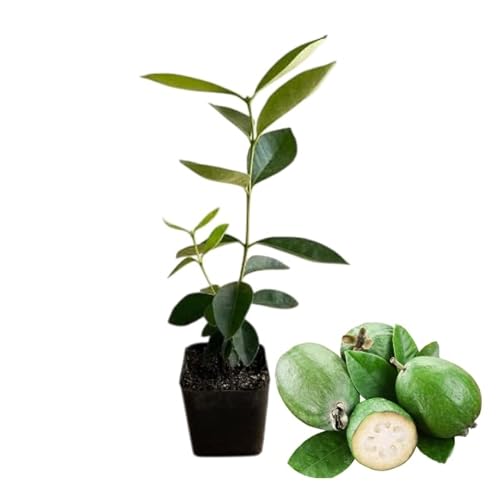
    PINK GUAVA TREE STARTER – TROPICAL FRUIT VARIETY: Grown for its pink-fleshed guava fruit at maturity and attractive green foliage, offering both decorative and productive value

    VIEW LATEST PRICE

    As an affiliate, we earn on qualifying purchases.

    Research Disease Resistance and Pests

    Consider researching the disease resistance and common pests for different guava tree varieties before making your final selection. Ensuring your guava tree is resistant to common diseases and pests is crucial for a healthy, thriving tree. Here are some key points to consider as you research disease resistance and pests for guava tree varieties:

    • Disease Prevention
    • Look for varieties that are resistant to common guava diseases such as anthracnose and guava wilt.
    • Consider consulting with local agricultural extension services or nurseries for guidance on disease-resistant varieties suitable for your region.
    • Pest Management
    • Research which guava tree varieties are less susceptible to pests like fruit flies and guava moths.
    • Explore integrated pest management techniques to ensure the health and productivity of your guava tree.

    Recommended Products

    Guava Tree Fertilizer – Liquid Plant Food for More Fruit, 8 oz
    Guava Tree Fertilizer – Liquid Plant Food for More Fruit, 8 oz

    Supports Flowering & Fruit Production – Helps encourage strong flowering, fruit set, and consistent guava development.

    VIEW LATEST PRICE

    As an affiliate, we earn on qualifying purchases.

    Guava Tree Fertilizer – Liquid Plant Food for More Fruit, 32 oz
    Guava Tree Fertilizer – Liquid Plant Food for More Fruit, 32 oz

    Supports Flowering & Fruit Production – Helps encourage strong flowering, fruit set, and consistent guava development.

    MUST READ
    The Best Soil Types for Guava Trees
    VIEW LATEST PRICE

    As an affiliate, we earn on qualifying purchases.

    Pink Guava Live Tree, Patio Container Plant, 6-9 Inch Tall
    Pink Guava Live Tree, Patio Container Plant, 6-9 Inch Tall

    Suitable for tropical and warm climates

    VIEW LATEST PRICE

    As an affiliate, we earn on qualifying purchases.

    Determine Harvesting and Storage Needs

    When determining the harvesting and storage needs for your guava tree, factor in the fruit's ripeness and the best methods for preserving its freshness. Guavas continue to ripen after being picked, so it's essential to understand the ripening process to harvest them at the right time.

    Guavas have a relatively short shelf life, so proper handling techniques and storage are crucial to maintain their quality. To determine the ripeness of guavas, look for indicators such as a change in skin color and a slight give when gently squeezed.

    Once harvested, guavas should be stored at room temperature until ripe, and then refrigerated to prolong their shelf life. However, ripe guavas should be consumed promptly or preserved through freezing or canning to avoid spoilage.

    Conclusion

    Incorporating these factors into your decision will help you select the perfect guava tree variety for your garden.

    By considering:

    • Climate
    • Soil conditions
    • Tree size
    • Fruit flavor
    • Disease resistance
    • Harvesting needs

    You'll be well-prepared to enjoy a thriving guava harvest.

    Happy gardening!

    Share. Facebook Twitter Pinterest LinkedIn Tumblr Email
    lucy smith
    Lucy Smith
    • Website

    Lucy Smith is a highly experienced horticulturist with a passion for fruit tree cultivation. She holds a degree in Horticulture from the University of California, Davis, and has worked in various roles in the industry. With over 10 years of experience, Lucy is dedicated to using eco-friendly methods for sustainable gardening practices.

    Related Posts

    Why Do Guava Trees Produce Edible Seeds

    March 20, 2024

    Can Guava Trees Adapt to Climate Change

    March 20, 2024

    Creating a Wildlife Habitat With Guava Trees

    March 20, 2024

    Where Are Guava Trees Considered Invasive

    March 20, 2024

    Is Guava Tree Pollen Allergenic

    March 20, 2024

    Can Guava Trees Be Used in Traditional Medicine

    March 20, 2024
    Leave A Reply Cancel Reply

    Affiliate Disclosure

    As an Amazon Associate I earn from qualifying purchases.

    Recommended Reading

    Do Cherry Trees Bear Fruit Every Year: Key Factors for Consistent Harvests Explained

    Why Lemon Tree No Fruit: Key Factors Affecting Fruit Production and Solutions

    What Does a Cucamelon Plant Look Like? A Visual Guide to Identifying this Unique Vine

    Are apricot trees easy to grow?

    Do Kiwis Grow on Trees or Bushes? A Comprehensive Guide for Fruit Enthusiasts

    Are Grapefruits Grown on Trees? A Complete Guide to Cultivating Delicious Citrus Fruit

    How to Make Espalier Fruit Trees: A Step-by-Step Guide for Your Garden Space

    Persimmon Trees in a Pot in Los Angeles, CA: Mediterranean Style

    How to Keep Deer Away from Fruit Trees with Effective Strategies and Natural Deterrents

    The 5 Best Electric Pruning Saws of 2024 – Cut Through Your Gardening Tasks With Ease

    Fruit Tree Hub

    Fruit Tree Hub is a website dedicated to providing you everything you need to grow fruit trees successfully at in your own yard.

    Contact us at: [email protected]

    - AFFILIATE DISCLOSURE: As an Amazon Associate I earn from qualifying purchases.

    Latest Posts

    21 Colorful Halloween Crochet Motifs Featuring Pumpkins Bats and Black Cats

    23 Smart Halloween Crochet Ideas to Sell as Keychains and Coasters

    22 Fun Halloween Crochet Ideas Built Around Treat Bags and Hats

    23 Adorable Halloween Amigurumi Ideas Featuring Ghosts and Black Cats

    22 Compact Halloween Crochet Decorations for Shelves and Small Spaces

    19 Practical Halloween Crochet Decorations Designed for Tabletop Displays

    24 Cozy Halloween Crochet Decor Ideas Built Around Mantel Garlands

    19 Playful Kawaii Halloween Crochet Ideas Featuring Smiling Spooky Characters

    Categories
    • Almond Trees
    • Apple Trees
    • Apricot Trees
    • Best Fruit Trees
    • Blackberry
    • Cantaloupe
    • Cherry Trees
    • Crochet Ideas
    • Crochet Ideas for Beginners
    • Cucamelon
    • Easy Crochet Ideas
    • Easy Knitting Projects
    • Fall Crochet Ideas
    • Fig Trees
    • Grapefruit Trees
    • Grapes
    • Guava Trees
    • Halloween Crochet Ideas
    • Honeydew
    • Jujube Trees
    • Kiwi
    • Knitting For Beginners
    • Knitting Ideas
    • Knitting Inspiration
    • Lemon Trees
    • Lime Trees
    • Loquat Trees
    • Mango Trees
    • Mulberry Trees
    • Nectarine Trees
    • Olive Trees
    • Orange Trees
    • Papaya Trees
    • Peach Trees
    • Pear Trees
    • Persimmon Trees
    • Planting
    • Plum Trees
    • Pomegranate Trees
    • Quince Trees
    • Raspberry
    • Reviews
    • Small Crochet Ideas
    • Star Fruit Trees
    • Summer Crochet Ideas
    • Tamarind Trees
    • Tangerine Trees
    • Tips and Advice
    • Tools
    • Uncategorized
    • Walnut Trees
    © 2026 Fruit Tree Hub
    • Home
    • About Us
    • Contact
    • Privacy Policy
    • Terms and Conditions
    • Disclaimer
    • Editorial Policy
    • Affiliate Disclosure

    Type above and press Enter to search. Press Esc to cancel.