

Ever wondered how often a banana tree produces fruit? If you’ve got a green thumb or just love bananas, this question probably crossed your mind. You might be dreaming of a backyard filled with ripe, delicious fruit, but how long will you really have to wait?
Banana trees are fascinating plants, and understanding their fruiting cycle can help you plan your garden better. In this article, you’ll discover the timeline of banana production and what factors influence it. Whether you’re a seasoned gardener or just curious, you’ll find useful insights to keep your banana dreams alive.
Key Takeaways
- Fruiting Cycle Duration: Banana trees produce fruit approximately every 9 to 12 months, with a notable timeline from planting to harvest.
- Flowering and Maturation: After about 5 to 6 months of growth, banana trees begin to flower, with bananas maturing 3 to 4 months post-flowering.
- Key Influences: Climate, humidity, and soil quality significantly impact banana growth and fruit production, emphasizing the importance of environmental conditions.
- Optimal Soil Requirements: Well-draining, loamy soils with a pH of 5.5 to 7.0 are crucial, along with adequate nutrients like nitrogen, potassium, and phosphorus.
- Harvest Signs: Bananas are best harvested when they show a yellow hue with a slight green shade, indicating they are ripe and ready for consumption.
- Post-Harvest Care: Proper handling after harvest, including curing and storage practices, is essential for maintaining the quality and flavor of the bananas.
Understanding Banana Trees
Banana trees are fascinating plants that play a crucial role in tropical and subtropical ecosystems. These trees are not actually trees in the traditional sense; they’re large herbaceous plants.
What Is a Banana Tree?
A banana tree produces fruit in a cycle that lasts about 9 to 12 months. After planting, the tree takes several months to mature before blooming. Once the flower appears, it takes about 75 to 80 days for the bananas to develop fully. After fruiting, the tree will die, but it often produces shoots, known as pups, ensuring continuous growth.
Types of Banana Trees
Several banana tree varieties exist, each with distinct characteristics. Common types include:
- Cavendish: The most widely grown banana globally, known for its sweet flavor and uniform size.
- Red Banana: Recognizable by its reddish-purple skin, it has a sweeter taste and creamier texture.
- Plantain: Primarily used for cooking, plantains are larger, starchier, and less sweet than dessert bananas.
Understanding these types helps you choose the best one for your garden or culinary needs.
Fruit Production Cycle
Banana trees have a specific fruit production cycle lasting about 9 to 12 months. Understanding this cycle helps you optimize care and plan for fruit harvest.
Recommended Products
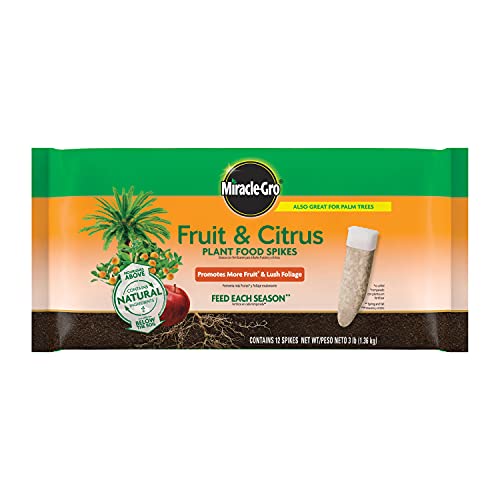
FORMULATED FOR CITRUS AND FRUIT TREES: Use these citrus fertilizer spikes on apple, orange, lemon, lime, and avocado trees; this formula is also great for feeding palm trees

Let our professionally formulated plant food help your fruit tree grow healthy, strong AND abundantly producing

PREMIUM FUEL LIQUID FERTILIZER: Wellspring Gardens Banana Fuel Liquid Fertilizer Concentrate provides a quality nutrient blend with minor elements that could grow your plants. Its 3-1-6 formula ratio is the ideal fertilizer ration according to University of Florida which is what our product is made of.
Flowering Stages
Banana trees go through several flowering stages before producing fruit. You’ll notice the first sign of flowers, called “inflorescences,” about 5 to 6 months after planting. These inflorescences appear as clusters at the top of the plant. Each cluster has both male and female flowers. The female flowers develop into bananas, while the male flowers fall off. Once the female flowers are pollinated, you can expect the bananas to emerge.
Time to Fruit Maturity
After flowering, bananas take roughly 3 to 4 months to mature. Factors like temperature, humidity, and care influence this maturation period. In optimal conditions, you can see clusters of bananas forming. Monitoring moisture levels and providing adequate nutrients during this time significantly impacts fruit quality and yield. Expect your bananas to be ready for harvest when they turn from green to yellow, indicating ripeness.
Factors Affecting Fruit Production
Understanding the factors influencing fruit production helps you optimize the growth of banana trees. Two of the most crucial elements are climate and nutrient availability.
Recommended Products

Let our professionally formulated plant food help your fruit tree grow healthy, strong AND abundantly producing

2X MORE VALUE: The 16 oz bottle of Banana Plant Fertilizer makes 16 gallons of banana fertilizer for fruit trees, while the bigger size 32 oz bottle makes 32 gallons for lasting care of your banana trees.

Down To Earth Langbeinite 0-0-22 is a naturally mined crystalline mineral that supplies the water-soluble sulfate form of three vital plant nutrients: potassium, magnesium and sulfurs
Climate and Environment
Climate significantly impacts the fruiting cycle of banana trees. Tropical and subtropical climates provide the warm temperatures necessary for optimal growth, typically between 75°F and 95°F (24°C to 35°C). Adequate rainfall or irrigation ensures moisture levels remain consistent, as bananas require about 40 to 60 inches of water annually. Humidity also plays a vital role; high humidity levels foster better pollination and fruit development.
Tips for optimizing climate conditions:
- Shade: Provide some shade during the hottest part of the day to protect young plants.
- Wind protection: Plant banana trees in sheltered areas to prevent wind damage.
- Frost avoidance: If you’re in marginal climates, consider using protective coverings during colder nights.
Soil and Nutrient Requirements
Soil quality is essential for banana production. Well-draining, loamy soils with a pH level between 5.5 and 7.0 support healthy root systems. Nutrient availability greatly influences growth and fruit yield. Essential nutrients include nitrogen, potassium, and phosphorus. Regular soil testing helps determine nutrient levels, allowing for appropriate amendments.
- Organic matter: Incorporate compost into the soil to boost nutrient content.
- Fertilization: Use a balanced fertilizer specifically designed for bananas during the growing season.
- Mulching: Apply mulch to retain soil moisture and suppress weeds.
Ensuring optimal climate and soil conditions maximizes your banana trees’ fruit production potential, helping you enjoy a bountiful harvest.
Harvesting Bananas
Harvesting bananas requires timing and careful observation. Recognizing when your bananas are ripe ensures the best flavor and quality.
Recommended Products

Roomy Banana Bag Storage Design: This banana storage bag measures 13.8 x 10.6 inches, so a whole bunch fits inside the durable nylon shell with its aluminum lining and still has room to breathe

A YELLOW BANANA IS A HAPPY BANANA: Nana Hats, the banana freshness keeper, keeps banana fresher for longer than sitting on the shelf by inhibiting the absorption of ethylene gas in the air and slowing the ripening process

High-grade Nylon Build: Made from premium food-grade nylon, these 2 pack banana storage bag and lettuce bag measure 13.7"x11", providing ample space for lettuce fresh fruits and vegetables with lasting durability.
Optimal Harvesting Time
Harvest bananas when they transition from green to a light yellow color. This change indicates ripeness. Bananas typically take about 9 to 12 months from planting to harvest, though factors like climate and care influence the exact timing. Observe the following indicators:
- Color Change: A yellow hue with a slight green shade signals readiness for harvest.
- Size: Bananas should reach their full size, typically around 6 to 12 inches long, depending on the variety.
- Firmness: Bananas should feel firm but yield slightly under gentle pressure.
To ensure optimal harvesting, check your banana bunches regularly. Gather them before the yellow turns to brown, which indicates overripeness.
Post-Harvest Considerations
After harvesting, proper handling and storage contribute to ripening and quality maintenance. Follow these steps for best results:
- Curing Bananas: Allow harvested bunches to cure in a cool, dark area for 1 to 3 days. This step enhances sweetness and flavor.
- Storage: Store bananas at room temperature. Avoid refrigeration until they ripen to prevent chilling injury, which can halt ripening.
- Ripening Control: To speed up ripening, place bananas in a paper bag with apples or tomatoes. Ethylene gas from these fruits promotes faster ripening.
Monitor stored bananas regularly to enjoy them at their peak flavor and texture. Handling bananas with care preserves their quality from farm to table.
Conclusion
Growing banana trees can be a rewarding experience when you understand their fruiting cycle. You can expect to see bananas developing about 9 to 12 months after planting. By paying attention to factors like climate, soil quality, and proper care, you’ll set the stage for a fruitful harvest.
Remember to monitor moisture levels and provide the right nutrients to enhance both the quality and yield of your bananas. With a little patience and the right conditions, you’ll soon enjoy the sweet rewards of your gardening efforts. Happy gardening and enjoy those delicious bananas!
Frequently Asked Questions
How often do banana trees produce fruit?
Banana trees typically produce fruit every 9 to 12 months. After flowering, it generally takes 3 to 4 months for the bananas to mature, depending on environmental factors.
What is the flowering cycle of banana trees?
Bananas start to flower about 5 to 6 months after planting. The flowers develop into fruit after pollination, with both male and female flowers present in clusters called inflorescences.
What factors influence banana fruit development?
Key factors include climate, moisture, and nutrient availability. Ideal conditions are tropical or subtropical climates, adequate rainfall (40 to 60 inches per year), and proper soil health.
How do I know when to harvest bananas?
Harvest bananas when they turn from green to light yellow, indicating ripeness. Look for changes in color, size, and firmness to determine the optimal harvesting time.
What is the best way to care for banana trees?
To care for banana trees, monitor moisture levels, provide adequate nutrients, and ensure they receive proper sunlight and protection from wind and frost to promote healthy growth.
What types of banana trees are common?
Common types include the Cavendish, known for its sweetness, the Red Banana, which has a sweeter taste, and Plantains, often used for cooking. Selecting the right type depends on your gardening or culinary needs.
What soil conditions are best for banana trees?
Banana trees thrive in well-draining, loamy soils with a pH between 5.5 and 7.0. Nutrient-rich soil with sufficient nitrogen, potassium, and phosphorus is essential for growth and productivity.
How can I improve banana yield?
To improve yield, ensure optimal climate conditions, provide adequate water, and enrich the soil with compost and balanced fertilizers. Using mulch can also help retain moisture and suppress weeds.
