

Ever wondered how much water your raspberries really need to thrive? Picture this: you’ve lovingly planted your raspberry bushes, eagerly awaiting a bountiful harvest, only to find them drooping from dehydration. How can you ensure they get just the right amount of water without drowning them?
Key Takeaways
- Raspberry bushes require adequate hydration for optimal growth, impacting fruit production and overall plant health.
- Factors influencing water needs in raspberries include weather conditions, soil type, plant stage, and fruiting stage.
- Adjust watering frequency based on weather conditions and growth stages to promote deep root growth.
- Drip irrigation is an efficient method for delivering water directly to the root zone of raspberry bushes.
- Avoid overwatering to prevent root suffocation and nutrient leaching; watch for signs of underwatering like wilting leaves and slow growth.
- Adapt watering practices seasonally to meet changing water needs, increasing during hot months and decreasing during winter dormancy.
Understanding Raspberry Plant Water Requirements
To ensure your raspberry plants thrive, it’s crucial to understand their water needs. Here are key points to consider:
The Importance of Hydration for Raspberry Growth
Raspberry bushes require adequate hydration for optimal growth. Insufficient water can lead to wilting and stunted growth, impacting fruit production. Proper watering supports nutrient uptake and overall plant health.
Factors Influencing Water Needs in Raspberries
Several factors influence how much water raspberries need:
- Weather Conditions: Hot and dry weather increases water requirements.
- Soil Type: Well-draining soil prevents waterlogging, ensuring roots receive oxygen.
- Plant Stage: Young plants may need more frequent watering than established ones.
- Fruiting Stage: During fruit development, consistent moisture is essential for plump berries.
Understanding these factors allows you to adjust your watering schedule accordingly, promoting healthy raspberry growth.
Optimal Irrigation Techniques for Raspberries
To ensure your raspberry bushes thrive, it’s crucial to understand the best irrigation techniques. Here are some key aspects to consider:
Recommended Products

1/4 INCH IRRIGATION TUBING: Create a feeder line that supplies water to a low-flow, drip-watering device, or use as a main line in a small drip irrigation system; for trees, shrubs, flower beds, groundcover, vegetable gardens, and planters
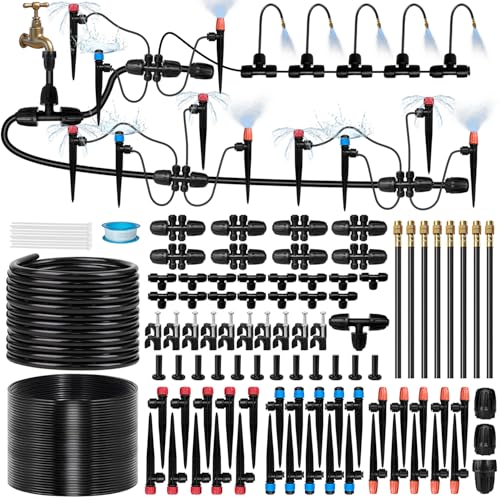
【Upgraded Tube Design & Water Saving】 Our garden watering system is upgraded to 1/2” diameter to support high water pressure. The 1/2” tee connector allows seamless splitting into 2 independent zones for customized watering schedules. By delivering moisture directly to root zones, this drip Irrigation system significantly reduces evaporation and runoff—saving more water compared to conventional sprinklers while eliminating the need for manual watering.
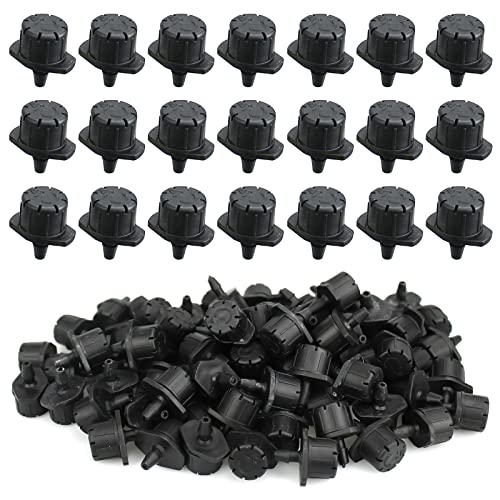
Package Include:You will receive 100pcs adjustable irrigation drippers sprinklers
Frequency of Watering
Adjust the frequency of watering based on weather conditions and the growth stage of your raspberry bushes. During hot and dry periods, increase watering to keep the soil consistently moist. In general, aim to water raspberries deeply but infrequently to encourage deep root growth.
Methods of Delivering Water
Drip irrigation is an efficient method for delivering water directly to the root zone of raspberry bushes. This technique helps prevent water wastage through evaporation and ensures that moisture reaches where it’s needed most. Mulching around plants can also help retain soil moisture and reduce water loss through evaporation.
By fine-tuning your watering schedule and choosing appropriate methods, you can provide your raspberry bushes with the optimal hydration they need for healthy growth and bountiful fruit production.
Common Watering Mistakes to Avoid
Watering your raspberry bushes is crucial for their growth, but it’s essential to be mindful of common mistakes that can hinder their development. By understanding and avoiding these pitfalls, you can ensure your raspberries receive the right amount of hydration for optimal health and productivity.
Recommended Products
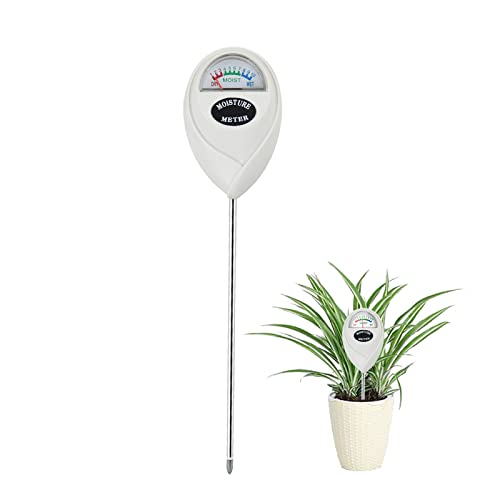
【SAVE YOUR PLANTS】: Over watering can cause problems with your plants or even kill them. This soil moisture meter helps you know the soil is dry, moist or wet.No more over watering!
Dimensions: 0.4 x 0.3 x 4.7 inches (small) - Intended for pot sizes of 2, 2.5, and 3 - Ideal for small succulents

✔️Accurate - A helpful tool of water meter for indoor plants which senses the moisture in the soil around plants. No more guess if the plant needs more or less water
Overwatering and Its Consequences
Overwatering your raspberry plants can lead to detrimental effects on their overall well-being. When you provide excessive water, the roots may suffocate due to lack of oxygen in the soil. This can result in root rot, a condition where the roots decay, impacting the plant’s ability to absorb nutrients effectively. Additionally, overwatering can leach essential nutrients from the soil, further compromising the plant’s health.
To prevent overwatering, ensure that you allow the soil to partially dry out between watering sessions. Use a moisture meter or simply check the soil with your finger about an inch deep; if it feels damp, hold off on watering until it dries out slightly. Proper drainage is also key in preventing waterlogged conditions that promote root issues.
Signs of Underwatering
On the other hand, underwatering your raspberry bushes can stunt their growth and diminish fruit production. It’s important to recognize the signs of dehydration early on to address them promptly. Some common indicators of underwatered raspberries include wilting leaves that appear dry and crispy at the edges, slow growth compared to healthy plants, and shriveled or small fruits.
To combat underwatering issues, establish a consistent watering schedule based on environmental factors like temperature and humidity. Monitor your raspberry bushes regularly for any signs of stress due to insufficient water supply. Adjust your watering routine as needed to maintain adequate moisture levels in the soil for healthy plant development.
By being mindful of these common watering mistakes and taking proactive measures to avoid them, you can support robust growth and bountiful harvests from your raspberry bushes. Remember that finding the right balance in watering practices is key to nurturing thriving plants that reward you with delicious berries season after season.
Seasonal Watering Strategies
In caring for your raspberry bushes, it’s crucial to adjust their water intake based on the changing seasons and weather conditions. Here are some practical tips to help you navigate seasonal watering strategies effectively:
Recommended Products
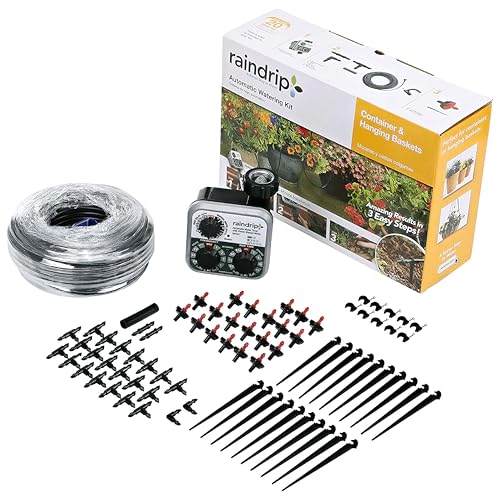
Save Time and Effort: This Raindrip drip irrigation kit includes everything you need to create a drip watering system for potted plants and precisely water up to twenty plants, saving time and effort while keeping your garden healthy

【Indoor & Outdoor Versatility, All-Season Smart Irrigation】:HEKIWAY Designed for year-round convenience, this automatic drip irrigation system works seamlessly both indoors and outdoors. During winter, simply charge it via the Type-C port to ensure continuous watering for your indoor plants—even in cold weather. In warmer seasons, the solar panel powers the system automatically, delivering worry-free, energy-efficient watering all day long

【Universal 1/4 Inch Size Set】- Designed for US market compatibility, Bluepro new drip irrigation system set uses 1/4 inch (6mm) components to address potential mismatches with standard hoses, unlike some 5/16 inch systems(No 1/4 pipe, only 12pcs Adjustable Copper Nobbles and Quick Connectors)
Adjusting Water Intake During Hot Months
During hot summer months, raspberries require more water to thrive. To ensure your plants stay healthy and productive, increase the frequency of watering sessions. Monitor the soil moisture levels regularly and water deeply but infrequently to encourage deep root growth.
Winter Care and Watering Needs
In winter, when raspberry bushes go dormant, their water needs decrease significantly. Reduce watering during this period to prevent waterlogging, which can harm the roots. However, it’s essential to check the soil occasionally for dryness, especially in regions with mild winters or low precipitation levels.
By adapting your watering practices according to the seasons, you’ll provide your raspberry bushes with the optimal conditions they need to flourish year-round.
Conclusion
You’ve learned how crucial it is to provide the right amount of water for your raspberry bushes to flourish. Factors like weather and soil type play a vital role in determining their water needs. By adjusting your watering frequency and considering irrigation methods like drip systems, you can ensure optimal growth and fruit production. Remember to steer clear of common mistakes such as overwatering or underwatering, as they can hinder your raspberries’ development. Keep an eye out for signs of dehydration and establish a consistent watering schedule to prevent any issues. Adapting your watering practices according to the seasons will help maintain ideal conditions for your raspberry bushes year-round.
Frequently Asked Questions
What are the key factors affecting raspberry bushes’ water requirements?
Raspberry bushes’ water needs are influenced by weather conditions, soil type, and plant growth stage.
What irrigation techniques are recommended for watering raspberry bushes?
Adjusting watering frequency based on weather conditions and using drip irrigation systems are effective techniques for providing consistent moisture to raspberry plants.
What common watering mistakes should be avoided when caring for raspberry bushes?
Overwatering can lead to root rot and nutrient leaching, while underwatering can cause growth stunting in raspberry bushes.
How can one identify signs of dehydration in raspberry plants?
Signs of dehydration in raspberries include wilting leaves, dry soil, and reduced fruit production.
Why is it crucial to adjust watering practices seasonally for raspberry bushes?
Seasonal changes impact raspberry bushes’ water needs; adjusting watering schedules ensures optimal growing conditions year-round.
