Close Menu
    Fruit Tree Hub
    • Home
    • Apple Trees
    • Lemon Trees
    • Mango Trees
    • Orange Trees
    • More Trees
      • Best Fruit Trees
      • Apricot Trees
      • Cherry Trees
      • Fig Trees
      • Lime Trees
      • Mulberry Trees
      • Peach Trees
      • Pear Trees
      • Plum Trees
      • Pomegranate Trees
    • Tips and Advice
      • Tools
    • About Us
      • Contact
      • Privacy Policy
    Fruit Tree Hub
    Home»Tips and Advice»How Long Until a Lime Tree Bears Fruit: Tips for Faster Growth and Optimal Care
    Tips and Advice

    How Long Until a Lime Tree Bears Fruit: Tips for Faster Growth and Optimal Care

    Martha JacksonBy Martha JacksonJanuary 24, 20257 Mins Read
    Share Facebook Twitter Pinterest WhatsApp Email
    Share
    Facebook Twitter LinkedIn Pinterest Telegram Email

    Have you ever dreamed of plucking fresh limes right from your own backyard? If you’ve planted a lime tree, you might be wondering when you can expect those juicy fruits to appear. It’s a common question for new gardeners eager to enjoy the fruits of their labor.

    Contents show
    1 Key Takeaways
    2 Understanding Lime Trees
    2.1 Types of Lime Trees
    2.2 Ideal Growing Conditions
    3 Factors Affecting Fruit Bearing
    3.1 Age of the Tree
    3.2 Environmental Conditions
    3.3 Care and Maintenance
    4 Typical Timeframe for Fruit Bearing
    4.1 From Seed to Tree
    4.2 From Sapling to Fruit
    5 Tips for Encouraging Fruit Production
    5.1 Proper Watering Techniques
    5.2 Fertilization Tips
    6 Conclusion
    7 Frequently Asked Questions
    7.1 How long does it take for a lime tree to bear fruit?
    7.2 What are the ideal conditions for growing lime trees?
    7.3 What types of lime trees are commonly grown?
    7.4 Can lime trees be grown from seeds?
    7.5 What are good fertilization practices for lime trees?
    7.6 How can I encourage my lime tree to produce more fruit?

    Key Takeaways

    • Lime trees typically begin to bear fruit between 2 to 4 years after planting, depending on factors like age and care.
    • Environmental conditions, including temperature, sunlight, and soil quality, play a vital role in fruit production; lime trees thrive in warm temperatures (70°F to 85°F) and require at least 8 hours of direct sunlight daily.
    • Regular care and maintenance, such as proper watering, fertilizing, and pruning, are crucial for encouraging a healthy lime tree and enhancing fruit yields.
    • Growing from seed can take 7 to 10 years to bear fruit, while planting a young tree significantly reduces the waiting period to 2 to 4 years.
    • To encourage optimal fruit production, ensure well-draining soil, adequate watering, and the use of a balanced fertilizer specifically designed for citrus trees.

    Understanding Lime Trees

    Lime trees are popular for their fragrant flowers and sweet-tart fruit. Knowing their characteristics helps you nurture them effectively.

    Types of Lime Trees

    1. Persian Lime: This type is seedless and larger than others. It’s common in grocery stores and thrives in warm climates.
    2. Key Lime: Smaller and more acidic, Key limes are famous for their use in desserts. These trees need more care and specific environments to flourish.
    3. Kaffir Lime: Recognized for its unique leaves, Kaffir limes are often used in Thai cooking. This variety produces small, bumpy fruits.
    4. Finger Lime: Known for its elongated shape, Finger limes contain caviar-like vesicles. You can find these exotic fruits in specialty markets.
    MUST READ
    Why Do You Prune Fruit Trees for Healthier Growth and Better Fruit Quality

    Ideal Growing Conditions

    Lime trees thrive in specific conditions:

    • Temperature: They prefer warm weather, ideally between 70°F and 85°F. Protect them from temperatures below 30°F.
    • Sunlight: Full sun is essential. Aim for at least 8 hours of direct sunlight daily.
    • Soil: Lime trees need well-draining, sandy soil. Adding organic material enhances drainage and nutrients.
    • Water: Water deeply but infrequently. Allow the soil to dry out between watering sessions.
    • Fertilizer: Use a balanced citrus fertilizer. Apply it every 6-8 weeks during the growing season for optimal growth.

    Understanding these factors contributes to a fruitful lime harvest.

    Factors Affecting Fruit Bearing

    Several factors influence how long it takes for a lime tree to bear fruit. Understanding these elements helps you nurture your tree effectively and manage your expectations for fruit production.

    Recommended Products

    Down To Earth All Natural Fertilizers Organic Citrus Mix - 6-3-3, 1 lb
    Down To Earth All Natural Fertilizers Organic Citrus Mix - 6-3-3, 1 lb

    Balanced Organic Nutrition – Supplies a 6‑3‑3 NPK ratio along with calcium, sulfur, iron, and zinc to foster healthy foliage, flowering, and fruit.

    VIEW LATEST PRICE

    As an affiliate, we earn on qualifying purchases.

    Miracle-Gro Shake 'N Feed Citrus, Avocado, Mango Plant Food - Fertilizer for Container and In-Ground Plants, Citrus, Avocado and Mango Trees, 4.5 lbs.
    Miracle-Gro Shake 'N Feed Citrus, Avocado, Mango Plant Food - Fertilizer for Container and In-Ground Plants, Citrus, Avocado and Mango Trees, 4.5 lbs.

    CITRUS PLANT FOOD: This avacado, mango and citrus fruit tree fertilizer feeds plants for up to 3 months and nourishes above and below the soil

    VIEW LATEST PRICE

    As an affiliate, we earn on qualifying purchases.

    Lemon Tree Fertilizer – Liquid Plant Food for Healthy Growth & Blooms, 8 oz
    Lemon Tree Fertilizer – Liquid Plant Food for Healthy Growth & Blooms, 8 oz

    Made for Lemon & Citrus Trees – Formulated to support healthy growth in lemon and citrus plants.

    VIEW LATEST PRICE

    As an affiliate, we earn on qualifying purchases.

    MUST READ
    Do Apple Blossom Trees Produce Fruit and How to Enhance Their Yield

    Age of the Tree

    Age plays a significant role in fruit-bearing. Lime trees typically start producing fruit between 2 to 4 years after planting. Younger trees may not yield fruit consistently. For example, a Persian lime tree planted from seed takes longer to bear fruit compared to one grown from a grafted nursery plant. Patience is necessary, as the age impacts the overall health and productivity of your lime tree.

    Environmental Conditions

    Environmental conditions significantly impact fruit bearing. Lime trees thrive in warm, sunny environments. Ideal temperatures range from 70°F to 85°F. They require full sun for at least 8 hours a day. Insufficient sunlight can delay fruit production. Additionally, lime trees flourish in well-drained soil with a pH between 6 to 7. Inadequate soil conditions can stress the tree, potentially leading to fewer or no fruit.

    Care and Maintenance

    Proper care and maintenance are crucial for encouraging fruit production. Regular watering ensures the soil remains moist but not soggy. Use fertilizers specifically formulated for citrus trees at least twice a year to support healthy growth. Pruning should occur annually, removing dead or overcrowded branches. This action improves air circulation and allows the tree to focus energy on fruit production. Keeping pests and diseases at bay also helps maintain the tree’s health, ensuring it remains productive.

    Typical Timeframe for Fruit Bearing

    Lime trees typically take a certain amount of time before you can enjoy their fruit. Understanding the stages of growth helps you manage your expectations.

    Recommended Products

    Farmer's Secret Citrus Tree Booster Fertilizer - Super Concentrated - Formulated for All Citrus Trees Including All Types of Lemons, Limes, and Oranges - Outdoor and Indoor/Container Trees (8oz)
    Farmer's Secret Citrus Tree Booster Fertilizer - Super Concentrated - Formulated for All Citrus Trees Including All Types of Lemons, Limes, and Oranges - Outdoor and Indoor/Container Trees (8oz)

    Let our professionally formulated plant food help your citrus tree grow healthy, strong AND abundantly producing

    VIEW LATEST PRICE

    As an affiliate, we earn on qualifying purchases.

    GARDENWISE Professional Citrus Fertilizer + Vital Micronutrients; Perfect Balanced NPK for All Citrus; for Indoor and Outdoor Plants; Orange, Lime, Avocado and Lemon Tree Fertilizer (1 Quart)
    GARDENWISE Professional Citrus Fertilizer + Vital Micronutrients; Perfect Balanced NPK for All Citrus; for Indoor and Outdoor Plants; Orange, Lime, Avocado and Lemon Tree Fertilizer (1 Quart)

    🍋 EXPLOSIVE HARVEST: GardenWise ignites a remarkable yield boost. Its scientific blend, featuring 6% nitrogen for growth, 4% phosphorus for flowering, and 6% potassium for fruit quality, culminates in an abundance of flavorful, aromatic fruits. This is more than growth; it's a nutrient-powered revolution in your citrus yield.

    MUST READ
    When to Start Fertilizing Fruit Trees for Maximum Yield and Health
    VIEW LATEST PRICE

    As an affiliate, we earn on qualifying purchases.

    Lime Tree Fertilizer 32oz - Citrus Fertilizer for Lime Trees Live Plants - Makes 32 Gallons of Liquid Fruit Tree Fertilizer - Citrus Plant Food
    Lime Tree Fertilizer 32oz - Citrus Fertilizer for Lime Trees Live Plants - Makes 32 Gallons of Liquid Fruit Tree Fertilizer - Citrus Plant Food

    2X MORE VALUE: The 16 oz Citrus Plant Fertilizer makes 16 gallons of citrus fertilizer for trees, while the bigger size 32 oz bottle makes 32 gallons, ensuring long-lasting care for all lime trees.

    VIEW LATEST PRICE

    As an affiliate, we earn on qualifying purchases.

    From Seed to Tree

    Growing a lime tree from seed can be a rewarding experience, but patience is crucial. Generally, seeds germinate within 2 to 3 weeks. After germination, you’ll need around 7 to 10 years for the tree to bear fruit. While starting from seed is possible, it may not be the best option for quick yields. Many gardeners choose to propagate through cuttings or purchase young trees from nurseries, which reduces the wait time.

    From Sapling to Fruit

    If you plant a young lime tree, typically around 1 to 2 years old, you can expect fruit in 2 to 4 years. Consistent care leads to quicker fruit production. Maintaining the right conditions—warm temperatures, full sunlight, and well-draining soil—will promote healthy growth. Monthly fertilization and proper watering also play key roles. As your sapling matures, regular pruning fosters strong branches for future fruiting. Keep an eye out for pests, as early intervention prevents damage, supporting the tree’s overall health and productivity.

    Tips for Encouraging Fruit Production

    Encouraging your lime tree to produce fruit requires careful attention to its needs. Implementing a few key practices can significantly enhance fruiting potential.

    Recommended Products

    GARDENWISE Professional Citrus Fertilizer + Vital Micronutrients; Perfect Balanced NPK for All Citrus; for Indoor and Outdoor Plants; Orange, Lime, Avocado and Lemon Tree Fertilizer (1/2 Quart)
    GARDENWISE Professional Citrus Fertilizer + Vital Micronutrients; Perfect Balanced NPK for All Citrus; for Indoor and Outdoor Plants; Orange, Lime, Avocado and Lemon Tree Fertilizer (1/2 Quart)

    🍋 EXPLOSIVE HARVEST: GardenWise ignites a remarkable yield boost. Its scientific blend, featuring 6% nitrogen for growth, 4% phosphorus for flowering, and 6% potassium for fruit quality, culminates in an abundance of flavorful, aromatic fruits. This is more than growth; it's a nutrient-powered revolution in your citrus yield.

    MUST READ
    Can I Prune Fruit Trees Now: Best Timing and Tips for Healthy Growth
    VIEW LATEST PRICE

    As an affiliate, we earn on qualifying purchases.

    Citrus Tree Fertilizer - Orange, Lemon, Lime, Mango, Avocado - Citrus Fertilizer for Tropical Fruit Trees to Grow More Fruit - Garden-Growing Miracle Nutrients - 1 Qt / 32 fl oz / 946 mL
    Citrus Tree Fertilizer - Orange, Lemon, Lime, Mango, Avocado - Citrus Fertilizer for Tropical Fruit Trees to Grow More Fruit - Garden-Growing Miracle Nutrients - 1 Qt / 32 fl oz / 946 mL

    Powerful NPK Formula for Lush Growth: Our fertilizer’s 20-3-19 formula delivers the ideal balance of Nitrogen fertilizer, Phosphorus fertilizer and Potassium fertilizer, giving your citrus trees everything they need to thrive. With added micronutrients, it tackles nutrient deficiencies for healthier, fruit-bearing trees!

    VIEW LATEST PRICE

    As an affiliate, we earn on qualifying purchases.

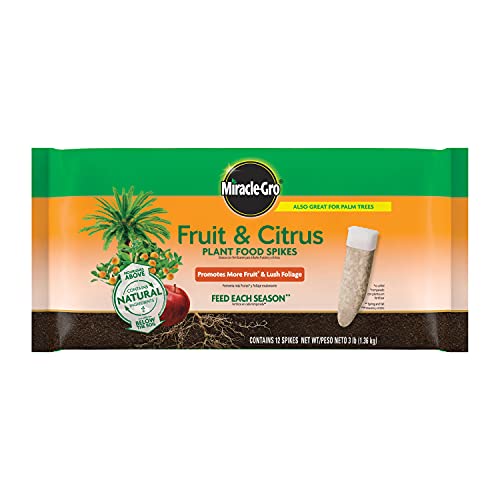
    Miracle-Gro Fruit & Citrus Plant Food Spikes, 12 Spikes, 3 lb.
    Miracle-Gro Fruit & Citrus Plant Food Spikes, 12 Spikes, 3 lb.

    FORMULATED FOR CITRUS AND FRUIT TREES: Use these citrus fertilizer spikes on apple, orange, lemon, lime, and avocado trees; this formula is also great for feeding palm trees

    VIEW LATEST PRICE

    As an affiliate, we earn on qualifying purchases.

    Proper Watering Techniques

    Watering your lime tree correctly ensures it thrives.

    • Consistency: Water the tree deeply and consistently, aiming for 1 to 2 inches of water per week. Adjust based on rainfall.
    • Soil Drainage: Ensure soil drains well. Lime trees prefer moist but not waterlogged conditions. Test drainage by digging a small hole; if water pools, amend the soil.
    • Mulching: Use organic mulch around the base of the tree. Mulch retains moisture and regulates soil temperature, promoting healthy root growth.

    Fertilization Tips

    Providing the right nutrients helps your lime tree stay robust and productive.

    • Type of Fertilizer: Use a balanced fertilizer, high in potassium and magnesium. Look for formulations specifically designed for citrus trees.
    • Frequency: Fertilize every 4 to 6 weeks during the growing season (spring and summer). Reduce frequency in fall and winter when the tree is dormant.
    • Application Technique: Apply fertilizer evenly around the tree’s drip line, about 6 to 12 inches from the trunk. Water lightly after applying to help the nutrients penetrate the soil.
    MUST READ
    How Long for an Avocado Tree to Fruit: Tips for Accelerating Your Avocado Harvest

    Maintaining these practices makes a noticeable impact on your lime tree’s health and fruit production.

    Conclusion

    Growing a lime tree can be a rewarding journey filled with excitement and anticipation. With the right care and conditions you can enjoy the delightful fragrance of blossoms and the satisfaction of harvesting your own limes. Remember to be patient as your tree matures and produces fruit.

    By focusing on proper watering fertilization and maintenance you’ll set the stage for a fruitful harvest. Whether you choose to grow from seed or purchase a young tree your efforts will pay off in time. So keep nurturing your lime tree and soon enough you’ll be enjoying the sweet-tart flavor of fresh limes right from your garden. Happy gardening!

    Frequently Asked Questions

    How long does it take for a lime tree to bear fruit?

    Lime trees typically start producing fruit between 2 to 4 years after planting, depending on the tree’s age and care. Younger trees may yield less consistently.

    What are the ideal conditions for growing lime trees?

    Lime trees thrive in warm temperatures, full sunlight, and well-draining soil. They also require regular watering, monthly fertilization, and pest control for optimal growth.

    What types of lime trees are commonly grown?

    Common varieties include Persian, Key, Kaffir, and Finger limes, each with unique characteristics and care requirements tailored to different climates and uses.

    Can lime trees be grown from seeds?

    Yes, but growing lime trees from seeds can be a lengthy process. Seeds take 2 to 3 weeks to germinate, and it may take 7 to 10 years for the tree to bear fruit.

    What are good fertilization practices for lime trees?

    Use a balanced fertilizer high in potassium and magnesium every 4 to 6 weeks during the growing season, applying it around the tree’s drip line for best results.

    How can I encourage my lime tree to produce more fruit?

    Maintain optimal conditions by ensuring deep watering, good soil drainage, regular fertilization, and applying organic mulch for moisture retention to enhance fruit production.

    Share. Facebook Twitter Pinterest LinkedIn Tumblr Email
    martha jackson
    Martha Jackson

      Martha Jackson is an accomplished freelance writer and editor with a strong interest in gardening. With a degree in English from the University of California, Berkeley, Martha has over 15 years of experience writing for a variety of publications. She is passionate about making gardening accessible to all and is always seeking out new techniques and innovations.

      Related Posts

      How Long Until Avocado Trees Bear Fruit and Tips for Faster Growth at Home

      February 20, 2025

      What Yellow Fruit Grows on Trees and Their Delicious Health Benefits

      February 20, 2025

      How to Air Layer Fruit Trees: A Step-by-Step Guide for Successful Propagation

      February 20, 2025

      When Do Grapefruit Trees Produce Fruit and How to Maximize Your Harvest

      February 20, 2025

      What Is a Fast Growing Fruit Tree: Discover Quick-Yield Options for Your Garden

      February 20, 2025

      Do Cherry Blossom Trees Have Fruit? Discover the Truth About Their Edibility and Benefits

      February 20, 2025
      Leave A Reply Cancel Reply

      Affiliate Disclosure

      As an Amazon Associate I earn from qualifying purchases.

      Recommended Reading

      Jujube Trees in Glendale, AZ (Mastering Desert Heat Growth)

      Can Star Fruit Trees Grow in a Pot in Missouri? Expert Advice

      Growing Apricot Trees in Michigan (Great Lakes Success Secrets)

      Can Pomegranate Trees Grow in a Pot in New Hampshire? Pro Advice

      Does a Tree Bear or Bare Fruit: Understanding the Difference for Better Gardening Practices

      Can Plum Trees Grow in Montana? Mountain Climate Success

      Do Fruit Trees Need Watering for Optimal Growth and Healthy Fruit Production?

      Storing Grapes Without a Fridge: Tips for Freshness and Flavor

      Can Walnut Trees Grow in a Pot in Wyoming? Pro Advice

      Should You Leave Grapes on the Stem for Fresher Taste and Longer Shelf Life?

      Fruit Tree Hub

      Fruit Tree Hub is a website dedicated to providing you everything you need to grow fruit trees successfully at in your own yard.

      Contact us at: [email protected]

      - AFFILIATE DISCLOSURE: As an Amazon Associate I earn from qualifying purchases.

      Latest Posts

      Can Olive Trees Grow in New Jersey? Garden State Growth Tips

      Can Star Fruit Trees Grow in Missouri? Expert Variety Guide

      How to Grow Jujube Trees in Las Vegas, NV: Desert Growth

      Mango Trees in Illinois: Indoor and Greenhouse Growth Secrets

      Growing Papaya Trees in Oklahoma: High Heat Resilience

      Tamarind Trees in a Pot in Ohio (Complete Maintenance Manual)

      Can Fig Trees Grow in Long Beach, CA? Coastal Salt Tips

      Plum Trees in District of Columbia (Urban Microclimate Tips)

      Categories
      • Almond Trees
      • Apple Trees
      • Apricot Trees
      • Best Fruit Trees
      • Blackberry
      • Cantaloupe
      • Cherry Trees
      • Crochet Ideas
      • Crochet Ideas for Beginners
      • Cucamelon
      • Easy Crochet Ideas
      • Easy Knitting Projects
      • Fig Trees
      • Grapefruit Trees
      • Grapes
      • Guava Trees
      • Honeydew
      • Jujube Trees
      • Kiwi
      • Knitting For Beginners
      • Knitting Ideas
      • Knitting Inspiration
      • Lemon Trees
      • Lime Trees
      • Loquat Trees
      • Mango Trees
      • Mulberry Trees
      • Nectarine Trees
      • Olive Trees
      • Orange Trees
      • Papaya Trees
      • Peach Trees
      • Pear Trees
      • Persimmon Trees
      • Planting
      • Plum Trees
      • Pomegranate Trees
      • Quince Trees
      • Raspberry
      • Reviews
      • Small Crochet Ideas
      • Star Fruit Trees
      • Summer Crochet Ideas
      • Tamarind Trees
      • Tangerine Trees
      • Tips and Advice
      • Tools
      • Uncategorized
      • Walnut Trees
      © 2026 Fruit Tree Hub
      • Home
      • About Us
      • Contact
      • Privacy Policy
      • Terms and Conditions
      • Disclaimer
      • Editorial Policy
      • Affiliate Disclosure

      Type above and press Enter to search. Press Esc to cancel.