

Have you ever wondered how long it takes for a persimmon tree to reward you with its delicious fruit? If you’re considering adding this beautiful tree to your garden, you’re not alone. Many gardeners dream of enjoying fresh persimmons but aren’t sure what to expect in terms of time and care.
Understanding the timeline for fruit-bearing can help you plan better and keep your gardening hopes alive. In this article, you’ll learn about the different factors that influence when your persimmon tree will start producing fruit. Whether you’re a seasoned gardener or just starting out, this information will guide you through the process and set your expectations for a fruitful harvest.
Key Takeaways
- Fruit Bearing Timeline: American persimmons typically take 5 to 8 years to bear fruit, while Asian varieties like Fuyu and Hachiya may produce fruit in 3 to 6 years, depending on care and conditions.
- Impact of Growing Conditions: Optimal soil quality, sunlight, and adequate watering significantly influence the maturity rate of persimmon trees, promoting faster fruit production.
- Proper Care Essentials: Regular pruning and appropriate fertilization play a crucial role in encouraging healthy growth and improving the likelihood of earlier fruiting in persimmon trees.
- Adaptation to Environment: Persimmon trees thrive in temperate climates; protecting them from extreme conditions and pests can enhance their vigor and fruit yield.
- Variety Selection Matters: Choosing the right variety based on your patience level and local growing conditions is essential for maximizing fruit-bearing success.
Overview Of Persimmon Trees
Persimmon trees, known for their unique sweetness and rich flavor, come in various types, influencing the time it takes for them to bear fruit. Understanding these trees helps you cultivate them effectively and enjoy their delicious produce.
Types Of Persimmon Trees
- American Persimmon (Diospyros virginiana): This native tree produces smaller fruits and can take 3 to 6 years to bear fruit after planting. It’s tolerant of various soils.
- Asian Persimmon (Diospyros kaki): Known for its larger, sweeter fruits, this type may take 4 to 6 years to produce fruit. It thrives in well-drained soils and sunny locations.
- Fuyu Persimmon: A popular Asian variety, it yields fruit within 3 to 4 years. Fuyu persimmons are known for their sweet, non-astringent fruit that can be eaten while still firm.
- Hachiya Persimmon: This variety also takes about 4 to 6 years to bear fruit and produces a highly astringent fruit until fully ripe. It requires specific growing conditions, including full sun.
- Soil Type: Persimmon trees prefer well-drained loamy soil rich in organic matter. Avoid heavy clay or waterlogged conditions.
- Sunlight: Full sun is crucial for optimal fruit production. Aim for at least 6 hours of direct sunlight daily to enhance growth and fruit quality.
- Watering: Regular watering during dry spells promotes healthy growth. Deep watering is essential, especially during the first few years.
- Temperature: These trees thrive in temperate climates. They tolerate some cold but avoid extreme frost conditions, particularly during flowering.
- Spacing: Space the trees adequately to ensure good air circulation. A distance of 15 to 20 feet between trees helps prevent diseases and encourages healthy growth.
By understanding the types and specific growing conditions of persimmon trees, you can set realistic expectations for when to enjoy their fruit.
Timeframe For Bearing Fruit
Persimmon trees typically require time to mature before producing fruit. Understanding the factors that affect this timeline helps you manage expectations and cultivate these trees effectively.
Recommended Products

PRODUCT IMAGE DISCLAIMER: The main image is for reference only. The plant you receive may not look exactly the same as shown in the first image

GRAFTED FOR RESILIENCE AND LONGEVITY: Grown on strong Volkameriana rootstock, this kumquat tree thrives in various settings while producing steady fruit harvests. Due to USDA regulations, we do not ship to freight forwarding locations, hotels, PO Boxes, Military (AFO/FPO), AZ, AL, CA, LA, HI, TX, Puerto Rico, Guam, U.S. Virgin Islands, American Samoa, and Northern Mariana Islands. A great choice for mother's day gifts, gifts for mothers day, and plant gifts for women for small-space gardeners.
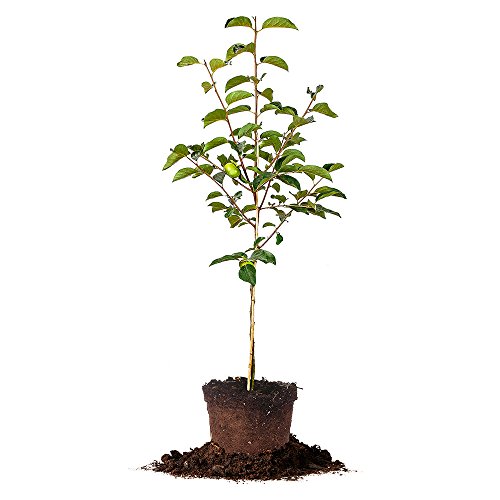
The Fuyu Persimmon is a non-astringent, sweet, delicious treat
Factors Affecting Fruit Bearing Time
- Tree Age: Younger trees may take longer to bear fruit. Generally, it takes around 3 to 5 years for grafted trees to produce fruit, while seedlings may need 5 to 8 years.
- Variety: Different persimmon varieties produce fruit at varying ages. American persimmons usually take longer than Asian types.
- Growing Conditions: Factors such as soil quality, sunlight, and watering affect growth. A well-drained, fertile soil with full sun exposure promotes quicker fruit production.
- Care and Maintenance: Regular pruning and proper fertilization can positively influence fruit-bearing timelines. Healthy trees often bear fruit sooner.
- Weather: Climate plays a significant role. Trees planted in favorable climates tend to mature faster than those in harsh conditions.
| Variety | Time to Bear Fruit |
|---|---|
| American | 5 to 8 years |
| Asian | 3 to 5 years |
| Fuyu | 3 to 4 years |
| Hachiya | 4 to 5 years |
Each variety has its own timeline, impacting when you can enjoy the fruits of your labor. Choose a type that aligns with your patience level and growing conditions for optimal results.
Caring For Persimmon Trees
Caring for persimmon trees involves key practices that promote healthy growth and optimal fruit production. Proper pruning and fertilization are crucial for ensuring your tree thrives.
Pruning Techniques
Prune persimmon trees during late winter or early spring while they are still dormant. Focus on the following techniques:
- Remove Dead Wood: Cut away any dead or damaged branches. This encourages healthy new growth.
- Thin the Canopy: Trim crowded branches to allow sunlight to penetrate. Good air circulation minimizes disease risk.
- Shape the Tree: Aim for an open center. This structure supports even fruit distribution and improves access for harvesting.
Regular pruning helps maintain the tree’s structure, making it easier to manage and maximizing its fruit-bearing potential.
Fertilization Tips
Fertilizing your persimmon tree promotes growth and fruit production. Follow these recommendations:
- Choose the Right Fertilizer: Use a balanced fertilizer, such as 10-10-10 or 12-12-12. This mix supplies essential nutrients.
- Apply in Early Spring: Fertilize in early spring before new growth starts. This timing provides nutrients during the active growing season.
- Follow Application Guidelines: Apply about 1 to 2 pounds of fertilizer per tree, adjusting based on tree size and soil conditions. For young trees, use less fertilizer, about half the recommended amount.
- Water After Fertilizing: Always water the tree well after applying fertilizer. This helps distribute nutrients to the roots.
By implementing these care techniques, you enhance your persimmon tree’s ability to bear fruit efficiently.
Common Challenges In Fruit Bearing
Understanding the common challenges can help you effectively manage your persimmon trees and ensure fruit production.
Recommended Products
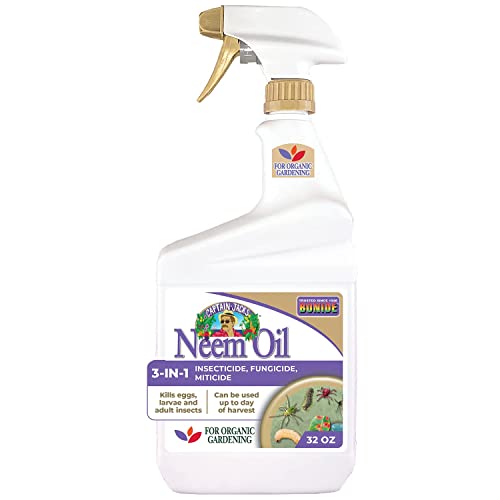
Protect your oasis with 3 garden products in 1 from Captain Jack’s; Bonide Captain Jack’s Ready-to-Use Neem Oil spray for plants is a multi-purpose fungicide, insecticide and miticide for your lawn & garden

FUNGAL DISEASE CONTROL: Prevents and controls black spot on roses, powdery mildew, rust, downy mildew, and other listed fungal diseases when applied on a 7–14 day schedule

Gentle Plant Wash Made with Neem Oil & Peppermint Oil
Pest And Disease Management
Pests like aphids and spider mites can harm persimmon trees, leading to reduced fruit yield. Monitor your trees regularly for signs of infestation, such as discolored leaves or webbing. You can control these pests with insecticidal soap or neem oil. Always apply treatments in the early morning or late afternoon to protect beneficial insects.
Diseases such as root rot and leaf spot may also affect your trees. Ensure proper drainage and avoid overwatering to prevent root rot. Clear fallen leaves around the base to reduce leaf spot risk. Regularly inspecting your trees and maintaining good hygiene practices can help keep diseases at bay.
Environmental Stressors
Environmental stressors like drought, extreme temperatures, and high winds can impact fruit production. Ensure your trees receive adequate water, especially during dry spells. A deep soak about once a week typically promotes healthy root growth.
Protect your trees from harsh winds by planting windbreaks, such as shrubs or fences. Additionally, monitor temperature fluctuations. Young trees are more susceptible to cold damage, so mulching around the base can retain soil warmth and moisture during colder months.
Taking these factors into account will enhance your chances of a fruitful harvest as your persimmon trees mature.
Conclusion
Growing persimmon trees can be a rewarding journey filled with anticipation. With the right care and attention you can enjoy delicious fruit in just a few years. Remember to consider the variety you choose as it plays a big role in how quickly your tree will bear fruit.
Stay vigilant about the growing conditions and be proactive in managing pests and diseases. Your patience and dedication will pay off as you watch your tree flourish and eventually produce those sweet, vibrant persimmons. Happy gardening and here’s to a fruitful harvest ahead!
Frequently Asked Questions
How long does it take for a persimmon tree to bear fruit?
Most American persimmon trees take about 5 to 8 years to produce fruit, while Asian varieties like Fuyu and Hachiya typically bear fruit in 3 to 5 years.
What factors affect the fruit production of persimmon trees?
Several factors influence fruit production, including soil type, sunlight, watering, temperature, and tree spacing. Consistent care like pruning and fertilization also plays a role.
What is the best time to prune a persimmon tree?
The ideal time to prune persimmon trees is during late winter or early spring. This helps remove dead wood and promotes better sunlight exposure for the tree.
How should I fertilize my persimmon tree?
Use a balanced fertilizer applied in early spring, following the recommended quantity. Proper watering after fertilization is important to ensure nutrients are absorbed effectively.
What pests should I watch out for in my persimmon tree?
Common pests include aphids and spider mites. Regular monitoring and treatments like insecticidal soap or neem oil can help manage infestations.
How can I prevent diseases in my persimmon tree?
Maintain proper drainage and hygiene to prevent issues like root rot and leaf spot. Regular inspections for signs of disease can also help catch problems early.
What environmental stressors affect persimmon fruit production?
Drought and extreme temperatures can hinder fruit production. Adequate watering and protective measures against harsh weather can improve your tree’s resilience.
Can grafted persimmon trees produce fruit sooner than seedlings?
Yes, grafted persimmon trees generally produce fruit in about 3 to 5 years, while seedlings often take longer, around 5 to 8 years to bear fruit.
