

Ever wondered how long it takes for grapes to grow from seed? Picture this: you’re savoring a delicious bunch of grapes, and the thought crosses your mind – how did these juicy fruits come to be? Understanding the journey from seed to vine can deepen your appreciation for that sweet snack.
Key Takeaways
- Different grape varieties have varying growth rates, influenced by factors like climate conditions, soil quality, pruning practices, and water availability.
- Key stages in grape development include germination, vine growth, flowering, fruit set, veraison (ripening), and harvesting.
- Successful grape cultivation from seed requires attention to climatic conditions, soil types rich in organic matter with good drainage properties, and balanced nutrition using specific fertilizers.
- Steps to grow grapes from seed involve seed preparation and germination techniques like choosing healthy seeds, soaking them in water for softening, and providing a warm environment for sprouting.
- Planting grape seeds in sunny locations with well-drained soil rich in organic matter at the right depth while maintaining proper watering routines and nutrient support is crucial for initial care.
- Challenges in grape cultivation include managing common pests and diseases through regular inspection and suitable pest management strategies as well as addressing climatic impacts on growth by selecting appropriate grape varieties suited to the region’s climate.
Understanding the Grape Lifecycle
Grapes, like many plants, undergo a fascinating lifecycle that culminates in the sweet fruits we enjoy. Let’s delve into the factors influencing growth duration and explore the key stages in grape development.
Factors Influencing Growth Duration
When it comes to grape growth duration, several factors come into play:
- Variety of Grape: Different grape varieties have varying growth rates. For instance, some table grapes mature quicker than wine grapes.
- Climate Conditions: The climate of a region significantly impacts how quickly grapes grow. Warmer climates tend to accelerate growth compared to cooler ones.
- Soil Quality: Rich soil with proper drainage can promote faster growth as it provides essential nutrients for the vines.
- Pruning Practices: Regular pruning helps direct energy towards fruit production, affecting the overall growth timeline.
- Water Availability: Sufficient water is crucial for grapevines’ growth; inadequate or excess water can delay maturation.
Key Stages in Grape Development
Understanding the key stages in grape development gives insight into this fruit’s lifecycle:
- Germination: The process starts with planting seeds, which germinate and develop roots before sprouting above ground.
- Vine Growth: Young vines focus on developing leaves and stems to support future fruit production.
- Flowering: Grapes transition from vegetative growth to reproductive phase when flowers bloom, marking the beginning of fruit formation.
- Fruit Set: After successful pollination, small berries start forming on the vine and gradually grow larger over time.
- Veraison: This stage signals the onset of ripening as grapes change color and sugar levels increase while acidity decreases.
- Harvesting: Finally, when grapes reach optimal ripeness determined by sugar content and taste profile, they are ready for harvest.
Conditions Required for Growing Grapes From Seed
When considering growing grapes from seed, there are specific conditions you need to be mindful of to ensure successful cultivation. Here’s what you should know about the essential requirements:
Recommended Products

FEED YOUR PLANTS: Burpee's All-Purpose Organic Plant Food is formulated to keep your plants growing and happy throughout the season. Major nutrients as well as calcium, minor nutrients, and some of the beneficial microbes that help keep the soil and plants healthy are released immediately and continue to feed your plants for up to 3 months.

CONTAINS: This organic Seed Stating soil mix is a rich blend of sphagnum peat moss & perlite with yucca extract and lime to ensure correct pH.

Essential Nutrients for Seedlings: True Organic Liquid Preplant Starter provides vital nutrients to support delicate seedlings and young starts, ensuring successful establishment.
Climatic Conditions
Ensure that the climate in your region is suitable for grape cultivation. Grapes thrive in temperate climates with warm summers and mild winters. They require a significant amount of sunlight for proper growth, ideally around 7-8 hours a day. Additionally, grapes prefer well-drained soil to prevent waterlogging, which can harm their development.
Soil Types and Nutrition
Selecting the right soil type is crucial for grape seeds to germinate and grow into healthy plants. Grapes do well in loamy soils that are rich in organic matter and have good drainage properties. It’s essential to provide adequate nutrition by using fertilizers specifically formulated for grapevines at different stages of growth. Balanced nutrients will support robust vine growth and fruit production.
By ensuring the correct climatic conditions and providing suitable soil types with proper nutrition, you set the foundation for successfully growing grapes from seed. Remember, attention to these key factors will contribute significantly to the health and productivity of your grapevines.
Steps to Grow Grapes From Seed
Growing grapes from seed can be a rewarding process, but it requires patience and attention to detail. Here are the essential steps to successfully grow grapes from seed:
Seed Preparation and Germination
To start growing grapes from seed, you’ll need to prepare the seeds for germination. Here’s what you should do:
- Seed Selection: Choose healthy grape seeds from varieties that thrive in your climate.
- Seed Treatment: Soak the seeds in water for 24 hours to soften their hard outer shell.
- Germination Setup: Place the seeds between damp paper towels in a sealed plastic bag in a warm location.
By following these steps, you’ll encourage the seeds to germinate and begin their growth journey.
Planting and Initial Care
Once your grape seeds have sprouted, it’s time to plant them and provide proper care at the initial stages:
- Planting Location: Select a sunny spot with well-drained soil rich in organic matter for optimal growth.
- Planting Depth: Plant the germinated seeds about an inch deep in the soil.
- Watering Routine: Keep the soil consistently moist but not waterlogged during the early growth phase.
- Nutrient Support: Fertilize the young grape plants with a balanced fertilizer to promote healthy development.
Following these planting and care practices will set a solid foundation for your grape seeds’ growth into thriving vines over time.
Challenges in Grape Cultivation
When cultivating grapes, you may encounter challenges that can affect the growth and health of your grapevines. Understanding these challenges is crucial for successful grape cultivation.
Recommended Products
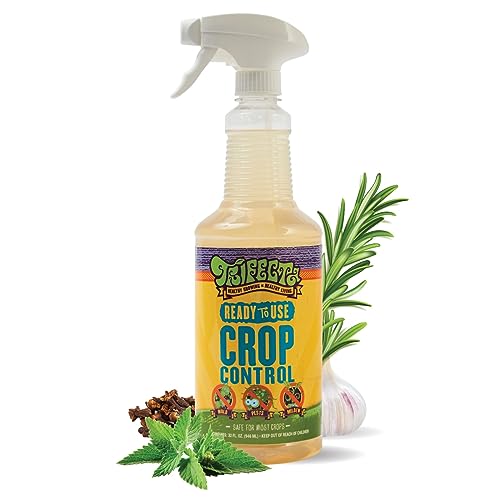
CROP, GARDEN & HOUSEPLANT INSECT CONTROL. Trifecta Crop Control all-natural, plant-based formula effectively combats destructive spider mites, aphids, whiteflies, fungus gnats, and other soft-bodied pests on indoor and outdoor plants. Our biodegradable, eco-friendly solution is safe for use on edible crops, without chemical residues. Our gentle yet potent plant spray suffocates and dehydrates pests without harming beneficial insects or the environment, making it ideal for organic gardening.

EFFECTIVE SPIDER MITE, POWDERY MILDEW & PLANT DISEASE CONTROL – Natural miticide and spider mite killer effective against two-spotted spider mites, broad mites, russet mites, whiteflies, aphids, powdery mildew, and downy mildew on vegetables, flowers, houseplants, indoor plants, ornamentals, and garden crops.

EFFECTIVE SPIDER MITE, POWDERY MILDEW & PLANT DISEASE CONTROL – Natural miticide and spider mite killer effective against two-spotted spider mites, broad mites, russet mites, whiteflies, aphids, powdery mildew, and downy mildew on vegetables, flowers, houseplants, indoor plants, ornamentals, and garden crops.
Common Pests and Diseases
Grapes are susceptible to various pests and diseases that can harm the plants and reduce fruit yields. Some common pests include aphids, spider mites, and leafhoppers, while diseases like powdery mildew and downy mildew can also impact grapevine health. Implementing proper pest management strategies such as regular inspection, using organic pesticides, and maintaining good vineyard hygiene can help prevent infestations and diseases.
Climatic Impacts on Growth
The climate plays a significant role in grape cultivation as different varieties thrive in specific climatic conditions. Factors like temperature fluctuations, humidity levels, sunlight exposure, and rainfall patterns can influence grape growth. Extreme weather conditions such as frost or heatwaves can damage vines and affect fruit development. It’s essential to choose grape varieties suited to your region’s climate and implement strategies like irrigation systems or protective coverings to mitigate adverse climatic effects on grape growth.
Conclusion
Growing grapes from seed requires patience and attention to detail. Factors like climate, soil quality, and proper care play crucial roles in the successful development of grapevines. By understanding the necessary conditions for grape growth and following the steps outlined in this article, you can embark on your own grape-growing journey. Remember to address challenges such as pests and diseases proactively to ensure healthy vine growth. With dedication and knowledge, you can enjoy the rewarding experience of nurturing grapevines from seed to fruition. Happy growing!
Frequently Asked Questions
Q: What factors influence the growth duration of grapes?
A: Factors influencing grape growth include variety, climate conditions, soil quality, pruning practices, and water availability.
Q: What are the conditions required for growing grapes from seed?
A: Suitable climatic conditions, well-drained soil rich in organic matter, and balanced fertilization are essential for growing grapes from seed.
Q: What steps are involved in growing grapes from seed?
A: Steps include seed preparation, germination, planting in sunny locations with well-drained soil, watering, and providing proper nutrient support.
Q: What challenges may arise in grape cultivation?
A: Common challenges include pests like aphids and diseases such as powdery mildew that can impact grapevine health.
Q: How can pest management be implemented in grape cultivation?
A: Implementing pest management strategies and understanding climatic impacts are crucial. Choose suitable grape varieties and use techniques like irrigation systems to mitigate adverse effects.
