

Have you ever planted a mango tree and wondered when it’ll finally bear fruit? You’re not alone! Many people dream of enjoying sweet, juicy mangoes from their own backyard but often feel uncertain about the timeline.
Key Takeaways
- Maturity Timeline: Mango trees typically reach maturity and begin producing fruit within 3 to 6 years after planting, depending on the variety and growing conditions.
- Seedling vs. Grafted Trees: Seedling mango trees take longer (5 to 8 years) to bear fruit compared to grafted varieties, which usually fruit within 3 to 4 years.
- Optimal Growing Conditions: For healthy growth and early fruiting, mango trees require full sun (at least 6 hours a day), well-draining soil, and consistent watering, particularly in their first few years.
- Varietal Differences: Popular mango varieties such as Haden and Tommy Atkins yield fruit in approximately 3 to 5 years, while others like Kent and Keitt may take longer.
- Care Tips: To encourage early fruiting, select the right variety, provide optimal sunlight, maintain soil health, and regularly prune and fertilize your mango tree.
- Environmental Influences: Mango fruiting can also be triggered by environmental factors; a dry period followed by rain can enhance flowering and subsequent fruit production.
Overview of Mango Trees
Mango trees, known scientifically as Mangifera indica, thrive in tropical and subtropical climates. They grow tall, typically reaching heights of 30 to 100 feet. These trees require plenty of sunlight and well-draining soil for optimal growth.
Growing Conditions
- Light: Mango trees prefer full sun, requiring at least six hours of direct sunlight daily.
- Soil: Well-draining sandy or loamy soil promotes healthy roots. Avoid waterlogged conditions to prevent root rot.
- Water: Regular watering is critical during the first few years. Once established, mango trees need less frequent watering.
Lifespan and Maturity
- Lifespan: Mango trees can live for over 100 years, producing fruit for many of those years.
- Maturity: Expect a mango tree to reach maturity about 3 to 6 years after planting, depending on the variety and growing conditions.
Fruit Bearing Timeline
- Seedling Trees: Trees grown from seeds take longer to fruit, often 5 to 8 years.
- Grafted Trees: Grafted varieties typically bear fruit in 3 to 4 years, making them a popular choice for quicker harvests.
Common Varieties
- Haden: A vigorous grower that produces sweet, juicy mangoes. Often bears fruit in 3 to 4 years.
- Tommy Atkins: Known for its disease resistance and extended shelf life, it also fruits within 3 to 5 years.
- Fertilization: Use a balanced fertilizer during the growing season to promote healthy growth and fruit production.
- Pruning: Regular pruning strengthens the tree structure and enhances air circulation, reducing disease risk.
Understanding these aspects can help you cultivate thriving mango trees that eventually deliver delicious homegrown fruits.
Factors Affecting Time to Fruit
Several key factors influence how long it takes for mango trees to produce fruit. Understanding these can help you optimize your care routine and enjoy a fruitful harvest.
Recommended Products

The Grafted Mango "Nam Dok Mai," scientifically known as Mangifera indica, is a tropical delight that combines the art of grafting with the luscious flavors of one of the world's most beloved fruits. This mango variety, celebrated for its exquisite taste and the benefits of grafting, invites you to explore the harmony of nature and cultivation that it embodies.
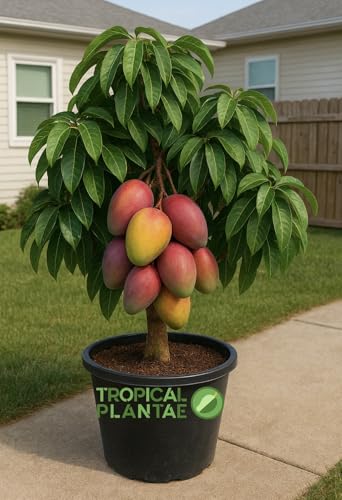
Imagine stepping into your backyard a few months from now and seeing a beautiful grafted Haden mango tree, growing stronger every day — a tree that will soon reward you with one of the most classic, flavorful mangoes ever grown.

Grafted Mango Tree, showcasing the Mahachanok variety, is an excellent addition to any garden or landscape. This carefully grafted tree offers the delightful taste and quality of Mahachanok mangoes, known for their sweet, tangy, and tropical flavor.
Tree Variety
Tree variety plays a significant role in determining fruiting time. Common mango varieties include:
- Haden: Typically bears fruit in 3 to 4 years.
- Tommy Atkins: Often produces fruit around the same timeframe as Haden.
- Kent: Known for its delicious taste, fruits can appear in 4 to 5 years.
- Keitt: Fruiting usually occurs in 5 to 6 years.
Grafted varieties generally produce fruit sooner than seedlings. Choose a variety that suits your preference for taste and fruiting timeline.
Growing Conditions
Growing conditions directly impact a mango tree’s health and fruiting speed. Consider these crucial factors:
- Climate: Mango trees thrive in tropical and subtropical climates, requiring warm temperatures for optimal growth.
- Sunlight: Full sun exposure promotes healthy growth and increases the chances of earlier fruiting. Place your tree where it receives at least 6 to 8 hours of sunlight daily.
- Soil Type: Well-draining soil, such as sandy or loamy, is ideal. Excess water can lead to root rot, delaying fruit production.
- Watering: Consistent watering, especially during the tree’s early years, encourages healthy growth. Ensure the soil remains moist but not soggy.
- Fertilization: A balanced fertilizer supports growth and fruit production. Apply fertilizer in spring and summer for best results.
- Pruning: Regular pruning encourages bushier growth and exposes more branches to sunlight. It also helps manage tree size, making it easier to care for your mango tree.
By addressing these factors, you can significantly impact when your mango tree bears fruit.
Stages of Mango Tree Growth
Mango trees progress through distinct growth stages before bearing fruit. Understanding these stages helps you anticipate the timeline for harvesting delicious mangoes.
Recommended Products

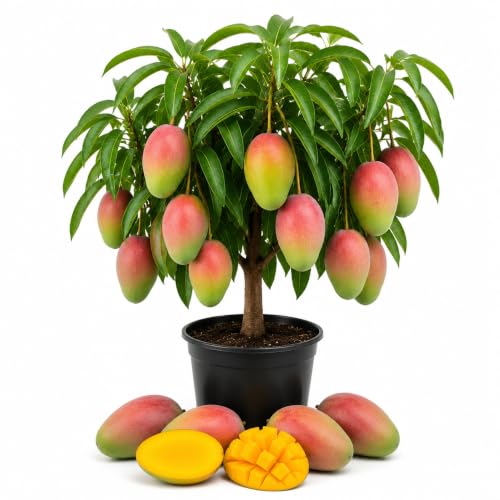
Imagine stepping into your backyard and seeing a mango tree that grows neatly, looks elegant, and brings a sense of tropical calm to your space. That’s the experience a Grafted Ataulfo (Honey) Mango Tree creates over time.

Imagine planting a mango tree that fits beautifully into your space and rewards you with consistency, balance, and long-term satisfaction. That’s exactly what the Grafted Mallika Mango Tree is known for — a variety carefully developed to perform reliably in home gardens.
Germination
Germination occurs when the seed begins to sprout. Under ideal conditions, this process takes about 2 to 4 weeks. Ensure the seed is placed in warm soil, around 70°F to 85°F, and keep it moist. You can plant seeds directly in the ground or in pots for easier management.
Vegetative Growth
During vegetative growth, the tree establishes its structure. This stage lasts from 4 to 6 years for seedlings and shorter for grafted varieties. The focus here is on growing strong branches and leaves. Providing ample sunlight and water is crucial. Fertilize with a balanced fertilizer during this period to enhance growth. Keep an eye out for pests and diseases, as these can hinder development.
Flowering
Flowering occurs after the tree has matured, typically starting around 3 to 6 years for grafted trees and 5 to 8 years for seedlings. During this stage, clusters of small flowers appear, attracting pollinators. The right conditions, including a dry period followed by rain, trigger flowering. Proper pruning encourages more blooms and helps control shape. If you notice a good number of flowers, prepare for potential fruiting in the following months.
Typical Timeframes for Fruiting
Mango trees take time to fruit, influenced by various factors. Understanding these timeframes helps you plan your gardening journey.
Different Varieties
Different mango tree varieties impact fruiting times. Grafted varieties, like Alphonso or Haden, generally produce fruit in 3 to 4 years. On the other hand, seedling mango trees take longer, needing about 5 to 8 years before bearing fruit. Other varieties, such as Tommy Atkins or Kent, often fall within these timelines. Selecting a variety suited to your climate and growing conditions can optimize your wait for delicious mangoes.
Environmental Influence
Environmental factors play a crucial role in determining when mango trees will fruit. Trees thrive in tropical and subtropical climates, requiring warm temperatures, ample sunlight, and well-draining soil. Ideal conditions include full sun exposure for at least 6 hours daily and a dry period before fruiting, usually followed by rain. Watering deeply but infrequently encourages strong root growth. Ensure consistent fertilization during the growing season to support healthy development. Addressing these environmental influences significantly impacts how quickly your mango trees will bear fruit.
Tips for Encouraging Early Fruiting
Encouraging your mango tree to fruit early involves several key practices. Follow these tips for the best results.
Recommended Products

Let our professionally formulated plant food help your fruit tree grow healthy, strong AND abundantly producing


Bloom Booster Built for Peak Season: Yardi Fruit & Bloom delivers a targeted NPK 2-15-15 formula with micronutrients to drive abundant flowering and stronger yields. Higher phosphorus and potassium maximize bloom production and fruit set at the most critical stage of the growing season.
Select the Right Variety
Choose varieties known for early fruiting. Grafted varieties like Alphonso or Haden often bear fruit sooner, usually within 3 to 4 years. Seedlings take longer, typically 5 to 8 years.
Provide Optimal Sunlight
Ensure your mango tree receives full sun for at least 6 hours daily. Sunlight boosts photosynthesis, promoting growth and flower development.
Maintain Soil Health
Use well-draining sandy or loamy soil. Test the soil’s pH; it should range from 5.5 to 7.5. Poor drainage can lead to root rot and hinder fruit production.
Water Properly
Water deeply but infrequently. Allow the soil to dry out between waterings. Overwatering can stress the tree, delaying fruiting.
Fertilize Regularly
Apply balanced fertilizer during the growing season. Use a formula high in potassium and phosphorus, which supports flowering. Fertilize every 6 to 8 weeks for the best results.
Prune Effectively
Prune your tree to encourage healthy growth. Remove dead or weak branches to allow sunlight to reach the inner canopy. Proper pruning promotes airflow, preventing disease and enhancing fruiting.
Create Ideal Conditions
Create a dry spell followed by rain to trigger flowering. This shift simulates natural environmental cues for mango trees.
Monitor Pests and Diseases
Keep an eye out for pests like aphids or beetles. Address any infestations promptly to prevent damage. Healthy trees produce fruit more quickly.
Be Patient and Observant
Pay attention to the growth stages of your tree. Monitor blooms and adjust care as needed to optimize fruiting potential.
By following these practices, you can increase the likelihood of your mango tree bearing fruit in a shorter time frame.
Conclusion
Growing mango trees is a rewarding journey filled with anticipation. While you might need to be patient as your tree matures and begins to bear fruit, the joy of harvesting your own mangoes makes it all worthwhile.
By choosing the right variety and providing optimal care, you can shorten the wait and enhance your chances of a bountiful harvest. Remember to give your tree plenty of sunlight, water it properly, and keep an eye on its health.
With a little love and attention your mango tree will eventually reward you with delicious fruit that you can enjoy right from your own backyard. Happy gardening!
Frequently Asked Questions
How long does it take for a mango tree to bear fruit?
Mango trees typically take 3 to 6 years to bear fruit, depending on the variety. Grafted trees usually produce fruit in 3 to 4 years, while seedling trees may take 5 to 8 years.
What are the ideal conditions for growing mango trees?
Mango trees thrive in tropical and subtropical climates, requiring full sun, well-draining sandy or loamy soil, and regular watering—especially during their early years.
Which mango varieties are best for quick fruiting?
Grafted varieties like Alphonso, Haden, and Tommy Atkins are known for quicker fruiting, typically bearing fruit within 3 to 4 years compared to seedlings.
How does climate affect mango tree fruiting?
Climate plays a crucial role; mango trees need warm temperatures and at least 6 hours of sunlight daily to optimize growth and fruit production.
What stages do mango trees go through before fruiting?
Mango trees progress through germination (2 to 4 weeks), vegetative growth (4 to 6 years), and flowering (3 to 6 years for grafted trees) before they start producing fruit.
How can I encourage my mango tree to bear fruit earlier?
To promote early fruiting, select the right variety, ensure ample sunlight and proper soil health, water correctly, fertilize regularly, and prune effectively.
What care practices help increase fruit production in mango trees?
Regular fertilization, deep but infrequent watering, pruning, pest monitoring, and ensuring the right environmental conditions can all enhance fruit production in mango trees.
Can mango trees live long?
Yes, mango trees can live over 100 years, continuing to produce fruit as long as they are well cared for and have the right growing conditions.
