

Guava trees do more than just bear tasty fruits. They play a vital role in boosting the variety of plants and animals in their surroundings.
These unassuming trees offer shelter to wildlife and support a wide range of insects, contributing to the local ecosystem.
Let's explore how guava trees help enrich biodiversity and shape the entire environment in unexpected ways.
Key Takeaways
- Guava trees support a diverse array of wildlife, providing shelter and nesting sites for birds, attracting insects with their nectar and pollen, and attracting mammals with their fallen fruits.
- Guava trees play a crucial role in supporting insect populations, attracting pollinators and providing a habitat for predatory insects that control pests.
- Guava trees contribute to soil health by enriching the soil with nutrients through the decomposition of fallen leaves and helping to control soil erosion.
- Guava trees enhance bird diversity by providing an ideal environment for foraging, offering secure nesting sites, and aiding in seed dispersal and pollination.
Guava Trees as Habitat for Wildlife
Guava trees provide a rich and essential habitat for a diverse array of wildlife, supporting numerous species and contributing to the overall biodiversity of their ecosystems. The tree canopy ecology of guava trees offers a unique and vital environment for various animals.
Birds, such as parrots and doves, find shelter and nesting sites in the dense foliage, while insects, including butterflies and bees, are attracted to the nectar and pollen. This diverse ecosystem within the guava tree canopy plays a crucial role in wildlife conservation by providing food and protection for many creatures.
Additionally, the fallen fruits attract mammals like bats and small rodents, further enriching the biodiversity. Understanding the significance of guava trees as a habitat for wildlife is essential for promoting conservation efforts and preserving these ecosystems.
Role of Guava Trees in Supporting Insects
As we consider the significance of guava trees as a habitat for wildlife, it becomes evident that their role in supporting insects is equally vital to the overall biodiversity of their ecosystems.
Guava trees play a pivotal role in insect pollination, attracting a diverse array of pollinators such as bees, butterflies, and beetles. This activity fosters biodiversity conservation by supporting the reproduction of various plant species within the ecosystem.
Additionally, guava trees contribute to pest control by providing a habitat for predatory insects that keep pest populations in check, thus maintaining a balanced ecosystem.
The ecosystem services provided by guava trees in supporting insects are integral to the health and sustainability of the surrounding environment, showcasing the interconnectedness of all living organisms within these ecosystems.
Guava Trees' Contribution to Soil Health
Contributing to the overall health and fertility of the soil, guava trees play a crucial role in sustaining the ecological balance of their surrounding environment. Through their extensive root systems and nutrient-rich leaves, guava trees significantly contribute to soil nutrient enrichment.
The fallen leaves decompose, releasing essential nutrients that enrich the soil, promoting the growth of diverse microorganisms vital for soil health. Furthermore, the dense network of guava tree roots helps in controlling soil erosion by binding the soil together, preventing it from being washed away during heavy rains or strong winds.
This erosion control is essential for maintaining the stability and structure of the soil, ultimately supporting the growth of various plant species and contributing to the overall biodiversity of the ecosystem.
Recommended Products

Supports Flowering & Fruit Production – Helps encourage strong flowering, fruit set, and consistent guava development.
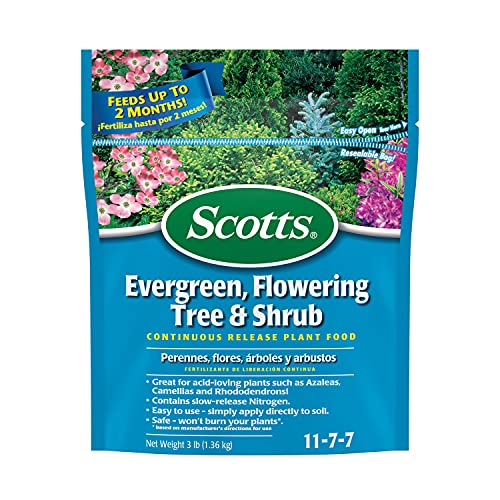
Excellent for evergreens, dogwoods, hydrangeas, magnolias and many other acid-loving trees and shrubs

FORMULATED FOR CITRUS AND FRUIT TREES: Use these citrus fertilizer spikes on apple, orange, lemon, lime, and avocado trees; this formula is also great for feeding palm trees
Guava Trees and Bird Diversity
Nestled among the branches of guava trees, a diverse array of bird species finds refuge and sustenance, contributing to the rich tapestry of biodiversity within their habitat. The guava trees provide an ideal environment for bird foraging, attracting a variety of species such as parrots, orioles, and doves. These birds play a crucial role in the ecosystem by aiding in seed dispersal and pollination, further enhancing the biodiversity supported by the guava trees. Additionally, the dense foliage and sturdy branches of the guava trees offer secure nesting sites for birds, promoting successful breeding and population growth. The synergy between guava trees and bird diversity creates a harmonious ecosystem where each species plays a vital role, fostering a thriving environment.
| Bird Species | Foraging Behavior | Nesting Sites |
|---|---|---|
| Parrots | Seed consumption | Tree hollows |
| Orioles | Nectar feeding | Cup-shaped nests |
| Doves | Ground foraging | Branches and foliage |
Impact of Guava Trees on Local Ecosystem
Guava trees profoundly influence the local ecosystem, shaping the environment and supporting a diverse range of flora and fauna. Here's how they impact the local ecosystem:
- Nutrient Cycling: Guava trees enrich the soil by recycling nutrients, contributing to the overall health of the ecosystem. They shed leaves and fruits, which decompose, releasing essential nutrients back into the soil. This process supports the growth of other plants and provides food for various organisms.
- Habitat for Wildlife: Guava trees provide shelter and food for a variety of local wildlife, fostering biodiversity. Birds, insects, and small mammals are drawn to the tree for nesting and feeding.
- Pollinator Support: The flowers of guava trees attract pollinators, such as bees and butterflies, which play a crucial role in the reproduction of many plant species in the local ecosystem.
Conclusion
In nurturing guava trees, we not only enjoy their tasty fruit but also contribute to the health and balance of the local ecosystem. These trees provide homes to wildlife, support insect populations, improve soil health, and enhance bird diversity.
By planting and preserving guava trees, we play a vital role in nurturing biodiversity and fostering a thriving environment for all.
