
Close Menu
    Fruit Tree Hub
    • Home
    • Apple Trees
    • Lemon Trees
    • Mango Trees
    • Orange Trees
    • More Trees
      • Best Fruit Trees
      • Apricot Trees
      • Cherry Trees
      • Fig Trees
      • Lime Trees
      • Mulberry Trees
      • Peach Trees
      • Pear Trees
      • Plum Trees
      • Pomegranate Trees
    • Tips and Advice
      • Tools
    • About Us
      • Contact
      • Privacy Policy
    Fruit Tree Hub
    Home»Tips and Advice»How Do I Know if My Olive Tree Will Fruit: Signs and Tips for Successful Harvesting
    Tips and Advice

    How Do I Know if My Olive Tree Will Fruit: Signs and Tips for Successful Harvesting

    Martha JacksonBy Martha JacksonDecember 5, 20248 Mins Read
    Share Facebook Twitter Pinterest WhatsApp Email
    Share
    Facebook Twitter LinkedIn Pinterest Telegram Email

    Have you ever wondered if your olive tree will bear fruit? You’re not alone. Many olive tree owners find themselves eagerly waiting for those tiny green gems to appear, only to be left guessing.

    Contents show
    1 Key Takeaways
    2 Understanding Olive Trees
    2.1 Types of Olive Trees
    2.2 Growing Conditions for Fruiting
    3 Signs of Healthy Olive Trees
    3.1 Leaf Health and Color
    3.2 Growth Patterns and Conditions
    4 Factors Affecting Fruit Production
    4.1 Age of the Olive Tree
    4.2 Climate and Weather Conditions
    4.3 Pollination Requirements
    5 Best Practices for Ensuring Fruit
    5.1 Pruning Techniques
    5.2 Fertilization Guidelines
    6 Conclusion
    7 Frequently Asked Questions
    7.1 How can I tell if my olive tree will bear fruit?
    7.2 What factors influence olive tree fruit production?
    7.3 How much sunlight do olive trees need for fruiting?
    7.4 When should I prune my olive tree?
    7.5 What is the best way to fertilize olive trees?
    7.6 How do I recognize a healthy olive tree?

    Recognizing the signs that your tree is ready to produce can be tricky, especially if you’re new to gardening. This article will help you understand what to look for, from the tree’s age and health to environmental factors that influence fruiting. By the end, you’ll feel more confident about nurturing your olive tree and knowing when to expect that delicious harvest.

    Key Takeaways

    • Tree Age Matters: Olive trees typically begin to bear fruit between 3 to 5 years, depending on the variety; older trees produce more consistently.
    • Environmental Conditions: Full sunlight (6-8 hours), well-draining soil (pH 6-8), and appropriate watering are critical for optimal fruit production.
    • Signs of Health: Healthy leaves should be vibrant green, with steady growth patterns indicating a thriving tree ready for fruiting.
    • Pollination: While olive trees can self-pollinate, cross-pollination enhances yield; consider planting multiple varieties nearby.
    • Pruning and Fertilization: Regular pruning and fertilizing help promote new growth and fruit production; apply balanced fertilizers twice a year.

    Understanding Olive Trees

    Recognizing if your olive tree will fruit involves understanding its specific characteristics and the conditions it requires. You’ll find that certain factors play a crucial role in determining fruit production.

    Types of Olive Trees

    Olive trees belong to several varieties, each with unique traits. Common types include:

    • Arbequina: Known for its high oil content and adaptability, this tree fruits quickly, often within two to three years of planting.
    • Manzanilla: This variety is popular for table olives and produces fruit in three to four years.
    • Kalamata: Recognized for its distinct flavor, this tree generally takes four to five years to bear fruit.
    • Frantoio: An excellent choice for olive oil, this tree usually starts producing after four years.
    MUST READ
    How to Get a Peach Tree to Bear Fruit: Essential Tips for a Bountiful Harvest

    Focusing on the right variety for your climate and conditions ensures a better chance of fruiting.

    Growing Conditions for Fruiting

    Your olive tree’s environment significantly influences its ability to produce fruit. Consider these conditions:

    • Sunlight: Olive trees need full sun, ideally six to eight hours per day. Insufficient sunlight delays fruit development.
    • Soil Quality: Well-draining soil is essential. Sandy or loamy soil works best, while heavy clay can hinder growth. Ensure a pH level between 6 and 8.
    • Watering: Proper watering helps maintain health. While olive trees are drought-tolerant, regular watering during dry spells supports fruit production, especially during flowering periods.
    • Temperature: Olive trees thrive in temperatures between 60°F and 80°F. Protectting them from frost ensures healthier fruit yields.

    Monitoring and adjusting these conditions provides a strong foundation for your olive tree to thrive and bear fruit.

    Signs of Healthy Olive Trees

    Recognizing the signs of a healthy olive tree helps ensure fruitful growth. Pay attention to the following indicators.

    Recommended Products
    YAMRON 4-in-1 Soil Moisture Meter, Digital Plant Temperature/Soil Moisture Test & PH Meter/Sunlight Intensity, Backlight LCD Display for Gardening, Farming and Outdoor Plants
    YAMRON 4-in-1 Soil Moisture Meter, Digital Plant Temperature/Soil Moisture Test & PH Meter/Sunlight Intensity, Backlight LCD Display for Gardening, Farming and Outdoor Plants

    【4 in 1 function】This is a 4-in-1 multifunctional soil tester.Our soil tester fastly to measure soil moisture, pH, temperature and sunlight to help you take better care of flowers and plants.You can know when you need to water your soil by measuring moisture and pH & Temperature value of the soil and sunlight level of plants with it.

    VIEW LATEST PRICE

    As an affiliate, we earn on qualifying purchases.

    4-in-1 Soil Moisture Meter Digital PH Meter/Soil Moisture/Plant Temperature/Sunlight Intensity, Backlight LCD Display, Soil Test Meter for Garden, Lawn, Plant Care, Farm and Indoor Outdoor Plants
    4-in-1 Soil Moisture Meter Digital PH Meter/Soil Moisture/Plant Temperature/Sunlight Intensity, Backlight LCD Display, Soil Test Meter for Garden, Lawn, Plant Care, Farm and Indoor Outdoor Plants

    【4-in-1 Multi-Function】This 4-in-1 soil tester can sense soil pH/moisture/temperature/light more accurately and quickly. You can know the soil pH,Moisture,Temperature,Light that you care about by measuring it, so that you can take better care of our plants, so that they can be healthy and thrive after being well taken care of!

    MUST READ
    Can You Eat the Fruit of a Cashew Tree: Exploring Edibility, Benefits, and Culinary Uses
    VIEW LATEST PRICE

    As an affiliate, we earn on qualifying purchases.

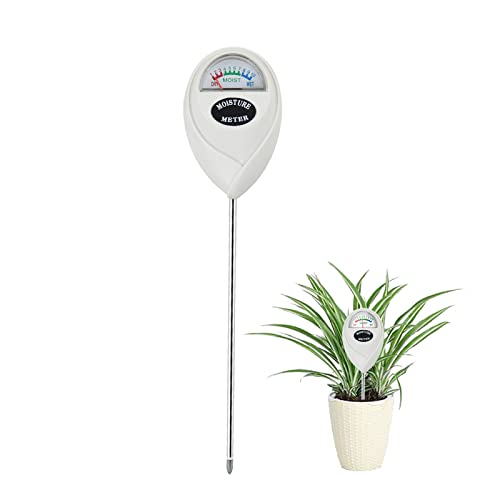
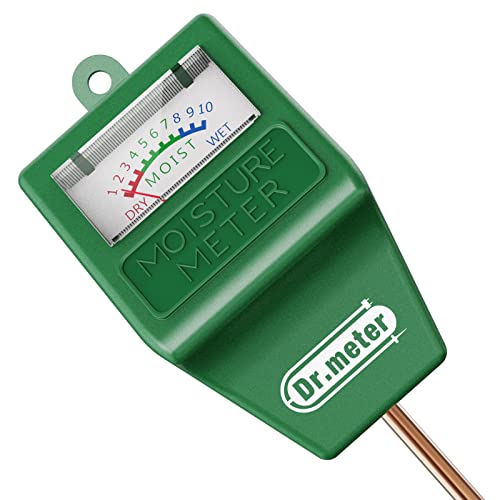
    Censinda Soil Moisture Meter, Soil Moisture Monitor for House Plants, Soil Hygrometer Moisture Sensor for Indoor & Outdoor, Garden, Farm, Lawn Plant Care, No Battery Needed(White)
    Censinda Soil Moisture Meter, Soil Moisture Monitor for House Plants, Soil Hygrometer Moisture Sensor for Indoor & Outdoor, Garden, Farm, Lawn Plant Care, No Battery Needed(White)

    【SAVE YOUR PLANTS】: Over watering can cause problems with your plants or even kill them. This soil moisture meter helps you know the soil is dry, moist or wet.No more over watering!
    VIEW LATEST PRICE

    As an affiliate, we earn on qualifying purchases.

    Leaf Health and Color

    Examine the leaves closely. Healthy olive leaves are vibrant green, indicating good health. Yellowing leaves may suggest nutrient deficiencies or overwatering. Look for signs of pests—such as holes or discoloration. Check for new growth regularly, as this signifies vitality. Healthy foliage supports photosynthesis, essential for fruit production.

    Growth Patterns and Conditions

    Monitor the tree’s growth patterns. An olive tree that grows steadily up to 2 to 3 feet annually demonstrates good health. Irregular growth may indicate stress from environmental factors like inadequate sunlight or poor soil. Ensure the tree receives at least 6 hours of sunlight each day. Maintain well-draining soil with a pH of 6 to 8. Water consistently, allowing the soil to dry between watering sessions to prevent root rot. These conditions foster strong growth and increase the chance of fruiting.

    Factors Affecting Fruit Production

    Several factors influence the ability of your olive tree to produce fruit. Understanding these elements helps you care for your tree effectively.

    Recommended Products

    Olive Tree Fertilizer – Fruit Tree Fertilizer for Olive Tree, Citrus, Lemon, Lime, Fig, Avocado, Mango, Apple & Pomegranate – for Potted & Outdoor Trees (8 oz - 1/2 lbs.)
    Olive Tree Fertilizer – Fruit Tree Fertilizer for Olive Tree, Citrus, Lemon, Lime, Fig, Avocado, Mango, Apple & Pomegranate – for Potted & Outdoor Trees (8 oz - 1/2 lbs.)

    🌳Olive & Fruit Trees: 6-4-6 fertilizer for fruit trees—ideal olive tree fertilizer for potted & outdoor trees; supports healthy growth and fruiting.

    VIEW LATEST PRICE

    As an affiliate, we earn on qualifying purchases.

    Liquid Olive Tree Fertilizer by Perfect Plants | Olive Plant Food for Real Indoor Trees or Outdoor Growing | High Level Nutrient Content to Boost Flowering & Fruit Production
    Liquid Olive Tree Fertilizer by Perfect Plants | Olive Plant Food for Real Indoor Trees or Outdoor Growing | High Level Nutrient Content to Boost Flowering & Fruit Production

    PROUDLY MADE IN THE USA – Each bottle of Liquid Olive Tree Fertilizer is crafted with care on a family-owned farm, leveraging over 40 years of plant expertise to ensure the health and life of your fruit trees.

    MUST READ
    What Fruit Trees Grow in Zone 4: Best Varieties and Tips for a Bountiful Harvest
    VIEW LATEST PRICE

    As an affiliate, we earn on qualifying purchases.

    Miracle-Gro Fruit & Citrus Plant Food Spikes - 10-15-15 NPK Easy-To-Use Nutrition for Fruit and Citrus Trees, Plant Fertilizer, 12 Spikes, 3 lb.
    Miracle-Gro Fruit & Citrus Plant Food Spikes - 10-15-15 NPK Easy-To-Use Nutrition for Fruit and Citrus Trees, Plant Fertilizer, 12 Spikes, 3 lb.

    FORMULATED FOR CITRUS AND FRUIT TREES: Use these citrus fertilizer spikes on apple, orange, lemon, lime, and avocado trees; this formula is also great for feeding palm trees

    VIEW LATEST PRICE

    As an affiliate, we earn on qualifying purchases.

    Age of the Olive Tree

    Age plays a crucial role in fruit production. Olive trees typically start bearing fruit between 3 to 5 years old, depending on the variety. Young trees may not produce fruit consistently. As the tree matures, expect increased yields each year. Older trees, around 10 years or more, often produce the most fruit. Knowing the age of your olive tree helps set realistic expectations for fruiting.

    Climate and Weather Conditions

    Climate significantly impacts fruiting. Olive trees thrive in Mediterranean climates, characterized by warm, dry summers and mild, wet winters. They require at least 6 hours of sunlight daily and prefer temperatures between 60°F to 75°F. Extreme weather, such as frost or excessive heat, can hinder production. For optimal fruiting, ensure your tree is well-adapted to your local climate and protected from harsh conditions.

    Pollination Requirements

    Pollination is essential for fruit set. Olive trees can be self-pollinating, but cross-pollination often leads to better yields. Planting multiple varieties nearby can improve pollination by attracting more bees and other pollinators. Varieties like Arbequina and Manzanilla produce well together. If you’re unsure about your tree’s pollination needs, consider checking with local growers or extension services for the best pairings.

    Best Practices for Ensuring Fruit

    Ensuring your olive tree bears fruit requires attention to specific practices. Here’s how to maximize your tree’s potential for fruiting.

    Recommended Products

    Olive Tree Fertilizer – Liquid Plant Food for Bigger Harvests & Stronger Trees, 8 oz
    Olive Tree Fertilizer – Liquid Plant Food for Bigger Harvests & Stronger Trees, 8 oz

    Made for Olive Trees - This olive tree fertilizer is formulated specifically to support healthy growth and long-term vitality in olive trees.

    MUST READ
    How to Grow an Avocado Tree That Bears Fruit Indoors: Tips for Success and Easy Care
    VIEW LATEST PRICE

    As an affiliate, we earn on qualifying purchases.

    Premium Liquid Olive Tree Plant Fertilizer - 3-1-2 Concentrate for Indoor Plants and Flowers by Gardenera | Organic Plant Food for Olive Trees - 8oz
    Premium Liquid Olive Tree Plant Fertilizer - 3-1-2 Concentrate for Indoor Plants and Flowers by Gardenera | Organic Plant Food for Olive Trees - 8oz

    🌳 OLIVE OPULENCE: Specifically formulated for indoor olive trees, our 3-1-2 Liquid Fertilizer Concentrate provides the ideal balance of nitrogen, phosphorus, and potassium. This ensures your olive tree remains lush, vibrant, and on the path to bearing fruit.

    VIEW LATEST PRICE

    As an affiliate, we earn on qualifying purchases.

    Down To Earth All Natural Fertilizers Organic Fruit Tree - Plant Food for Apples, Pears, Plums and Tropical Fruit Trees 6-2-4, 5 lb
    Down To Earth All Natural Fertilizers Organic Fruit Tree - Plant Food for Apples, Pears, Plums and Tropical Fruit Trees 6-2-4, 5 lb

    Down to Earth Fruit Tree is a five pound box of all natural fertilizer with 6-2-4 formula and is listed by the Organic Materials Review Institute (OMRI) for use in organic production

    VIEW LATEST PRICE

    As an affiliate, we earn on qualifying purchases.

    Pruning Techniques

    Prune your olive tree annually. Pruning encourages new growth, which can lead to more fruit. Aim to remove dead or damaged branches first. Make clean cuts to avoid harming the tree. Thin out crowded areas to increase air circulation and light penetration. Focus on the outer parts of the tree to promote an open canopy. This technique enhances sunlight exposure, vital for fruit production. Perform pruning in late winter or early spring before new growth starts.

    Fertilization Guidelines

    Fertilize your olive tree regularly. Use a balanced fertilizer formulated for fruit trees. Apply it in early spring and again in mid-summer. Follow package instructions for dosage based on your tree’s size. Keep an eye on your tree’s growth; if leaves appear pale, it might need an extra dose. Avoid over-fertilization, as it can lead to leaf growth at the expense of fruiting. Aim for a soil pH between 6 and 8 for optimal nutrient uptake. Conduct a soil test to determine nutrient levels and adjust accordingly.

    Conclusion

    With a little patience and care you can set your olive tree up for success. By keeping an eye on its health and growth patterns you’ll be better equipped to know if it’s ready to bear fruit. Remember to provide the right conditions like sunlight and well-draining soil to encourage fruit production.

    MUST READ
    Can You Prune Plum Trees After Fruiting to Improve Health and Future Yields

    Don’t forget the importance of variety and age in your tree’s journey. As you nurture your olive tree it’ll reward you with beautiful foliage and hopefully a bountiful harvest. Enjoy the process and celebrate each step along the way. Happy gardening!

    Frequently Asked Questions

    How can I tell if my olive tree will bear fruit?

    A healthy olive tree typically starts producing fruit between 3 to 5 years old. To assess fruiting potential, check the tree’s age, health, and variety-specific characteristics. Healthy leaves, new growth, and steady growth patterns are good indicators. Optimal growing conditions also play a vital role in encouraging fruit production.

    What factors influence olive tree fruit production?

    Several factors affect olive fruiting, including the tree’s age, climate, soil quality, and pollination. Younger trees may not produce fruit, while older trees often yield more. Additionally, warm, dry summers and mild winters are ideal, and cross-pollination can enhance fruit yields.

    How much sunlight do olive trees need for fruiting?

    Olive trees require at least 6 hours of direct sunlight each day to thrive and produce fruit. Insufficient sunlight can hinder growth and fruiting, so ensure your olive tree is planted in a bright location.

    When should I prune my olive tree?

    Pruning should be done annually in late winter or early spring. Proper pruning encourages new growth and improves sunlight exposure, both essential for promoting fruit production and maintaining the tree’s health.

    What is the best way to fertilize olive trees?

    Use a balanced fertilizer in early spring and mid-summer to promote healthy growth. Monitor the tree’s health to avoid over-fertilization, which can harm the tree. Always follow the recommended application rates for best results.

    How do I recognize a healthy olive tree?

    A healthy olive tree displays vibrant green leaves, steady growth of 2 to 3 feet annually, and the absence of pests. Yellowing leaves may indicate nutrient deficiencies or overwatering, so maintaining proper care is essential for vitality and fruiting potential.

    Share. Facebook Twitter Pinterest LinkedIn Tumblr Email
    martha jackson
    Martha Jackson

      Martha Jackson is an accomplished freelance writer and editor with a strong interest in gardening. With a degree in English from the University of California, Berkeley, Martha has over 15 years of experience writing for a variety of publications. She is passionate about making gardening accessible to all and is always seeking out new techniques and innovations.

      Related Posts

      How Long Until Avocado Trees Bear Fruit and Tips for Faster Growth at Home

      February 20, 2025

      What Yellow Fruit Grows on Trees and Their Delicious Health Benefits

      February 20, 2025

      How to Air Layer Fruit Trees: A Step-by-Step Guide for Successful Propagation

      February 20, 2025

      When Do Grapefruit Trees Produce Fruit and How to Maximize Your Harvest

      February 20, 2025

      What Is a Fast Growing Fruit Tree: Discover Quick-Yield Options for Your Garden

      February 20, 2025

      Do Cherry Blossom Trees Have Fruit? Discover the Truth About Their Edibility and Benefits

      February 20, 2025
      Leave A Reply Cancel Reply

      Affiliate Disclosure

      As an Amazon Associate I earn from qualifying purchases.

      Recommended Reading

      When Do You Plant Grapes: A Comprehensive Guide for Successful Grapevine Cultivation

      Can Bonide Fruit Tree Spray Be Used on Pear Trees for Effective Pest Control and Health?

      What Is Fruit Tree Girdling and How It Can Boost Your Harvest Efforts

      Can Avocado Trees Grow in Pennsylvania? (Keystone State Tips)

      What Does a Bypass Pruner Do? Maintenance Tips for Optimal Performance

      Do Weeping Fig Trees Bear Fruit and What You Need to Know About Their Growth Conditions

      How to Propagate Dragon Fruit Tree: A Complete Guide for Successful Growth and Care

      Mulberry Trees in a Pot in San Francisco, CA: Fog and Soil Tips

      Mastering Pruner Knives for Safe and Effective Gardening: Essential Tips and Maintenance

      Jujube Trees in Raleigh, NC (Central Carolina Success Guide)

      Fruit Tree Hub

      Fruit Tree Hub is a website dedicated to providing you everything you need to grow fruit trees successfully at in your own yard.

      Contact us at: [email protected]

      - AFFILIATE DISCLOSURE: As an Amazon Associate I earn from qualifying purchases.

      Latest Posts

      Guava Trees in Richmond, VA (Capital Region Planting)

      Can Orange Trees Grow in Idaho? Cold-Climate Solutions

      Guava Trees in Santa Ana, CA: Coastal Success and Care

      Growing Quince Trees in a Pot in Nebraska: Wind Care Tips

      Growing Papaya Trees in Wyoming: High Elevation Growth Tips

      Growing Tangerine Trees in a Pot in South Carolina (Pro Advice)

      Olive Trees in a Pot in South Dakota (High Plains Potting Tips)

      Mango Trees in Phoenix, AZ: Desert Success and Irrigation Tips

      Categories
      • Almond Trees
      • Apple Trees
      • Apricot Trees
      • Best Fruit Trees
      • Blackberry
      • Cantaloupe
      • Cherry Trees
      • Crochet Ideas
      • Crochet Ideas for Beginners
      • Cucamelon
      • Easy Crochet Ideas
      • Easy Knitting Projects
      • Fig Trees
      • Grapefruit Trees
      • Grapes
      • Guava Trees
      • Honeydew
      • Jujube Trees
      • Kiwi
      • Knitting For Beginners
      • Knitting Ideas
      • Knitting Inspiration
      • Lemon Trees
      • Lime Trees
      • Loquat Trees
      • Mango Trees
      • Mulberry Trees
      • Nectarine Trees
      • Olive Trees
      • Orange Trees
      • Papaya Trees
      • Peach Trees
      • Pear Trees
      • Persimmon Trees
      • Planting
      • Plum Trees
      • Pomegranate Trees
      • Quince Trees
      • Raspberry
      • Reviews
      • Small Crochet Ideas
      • Star Fruit Trees
      • Summer Crochet Ideas
      • Tamarind Trees
      • Tangerine Trees
      • Tips and Advice
      • Tools
      • Uncategorized
      • Walnut Trees
      © 2026 Fruit Tree Hub
      • Home
      • About Us
      • Contact
      • Privacy Policy
      • Terms and Conditions
      • Disclaimer
      • Editorial Policy
      • Affiliate Disclosure

      Type above and press Enter to search. Press Esc to cancel.