

Growing persimmon trees in Massachusetts is feasible and rewarding with the right techniques. Proper selection of varieties and understanding local climate conditions are essential for successful cultivation in New England.
Choosing Ideal Persimmon Varieties for Massachusetts
Selecting the right persimmon varieties is crucial for successful cultivation in Massachusetts. With the region’s unique climate and soil conditions, certain types thrive better than others. Understanding these optimal choices will help ensure a fruitful harvest and a rewarding gardening experience.
Choosing the appropriate persimmon variety is crucial for success in Massachusetts. The two main types are American and Asian persimmons.
American varieties, like the D. virginiana, are more cold-hardy and can withstand the winter temperatures typical in New England. Asian varieties, such as the Fuyu, offer sweeter fruit but may require more protection from frost.
| Variety | Cold Hardiness | Flavor Profile | Ripening Time |
|---|---|---|---|
| D. virginiana | -10°F | Sweet, mild | Late fall |
| Fuyu | 0°F | Sweet, firm | Early fall |
Recommended Products
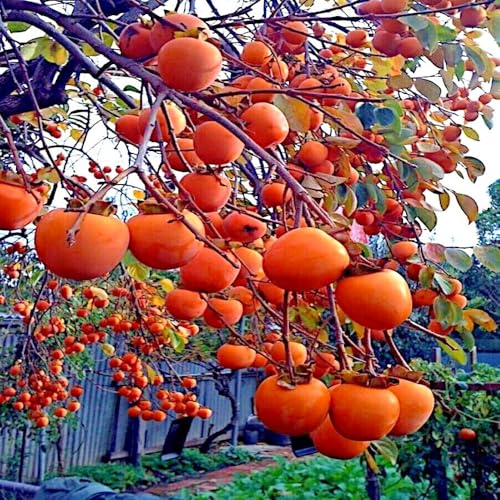
Cold Hardiness: Cold hardy Diospyros seeds survive temperatures down to 10°F once established; Suitable for growing in USDA zones 7-10; More tolerant of temperature fluctuations than many other fruit trees

For sale are 5 American Persimmon trees that are approximately 6-15" tall

PRODUCT IMAGE DISCLAIMER: The main image is for reference only. The plant you receive may not look exactly the same as shown in the first image
Site Preparation for Persimmon Planting
Preparing the right site is crucial for successfully growing persimmon trees in Massachusetts. The unique climate and soil conditions of New England require careful consideration to ensure optimal growth and fruit production. This section outlines the essential steps for site preparation, helping you create the ideal environment for your persimmon trees.
Before planting, proper site preparation ensures healthy growth. Choose a location with full sun exposure and well-drained soil. Conduct a soil test to determine pH levels; persimmons prefer slightly acidic to neutral soil (pH 6.0 to 7.0).
Clear the area of weeds and debris.
Amend the soil with organic matter to improve drainage.
Ensure adequate spacing of at least 15 feet between trees for optimal air circulation.
Persimmon Planting Methods for New England
Planting persimmon trees in New England requires careful consideration of local climate and soil conditions. This section explores effective methods tailored for Massachusetts gardeners, focusing on optimal planting techniques, timing, and care strategies to ensure successful growth and fruit production in this unique region. Understanding these methods will help you cultivate healthy persimmon trees that thrive in New England’s environment.
Planting persimmons requires careful attention to detail. Follow these steps for effective planting:
Dig a hole twice as wide as the root ball and the same depth.
Place the tree in the center, ensuring the graft union is above soil level.
Backfill with soil and water thoroughly to eliminate air pockets.
Apply mulch around the base to retain moisture and suppress weeds.
Watering and Fertilization for Persimmons
Proper watering and fertilization are crucial for the successful growth of persimmon trees in Massachusetts. Understanding the specific needs of these trees in New England’s climate can significantly impact their health and fruit production. This section will explore effective strategies for maintaining optimal moisture levels and nutrient balance to ensure robust growth and fruiting.
Establishing a consistent watering and fertilization routine is vital for young persimmon trees.
Water deeply once a week during dry spells, especially in the first two years.
Fertilize with a balanced slow-release fertilizer in early spring and again in mid-summer.
| Season | Fertilizer Type | Application Rate |
|---|---|---|
| Spring | 10-10-10 | 1 lb per tree |
| Summer | 10-10-10 | 0.5 lb per tree |
Recommended Products
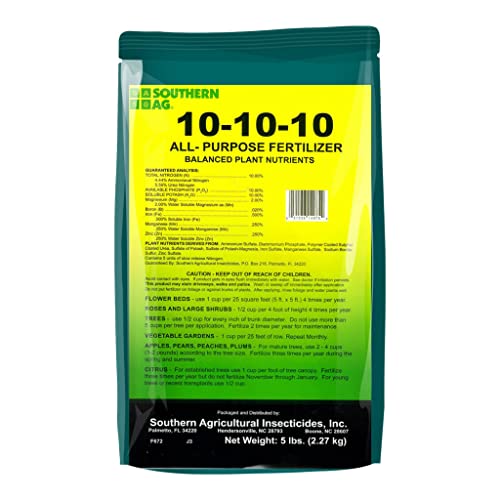

Let our professionally formulated plant food help your fruit tree grow healthy, strong AND abundantly producing
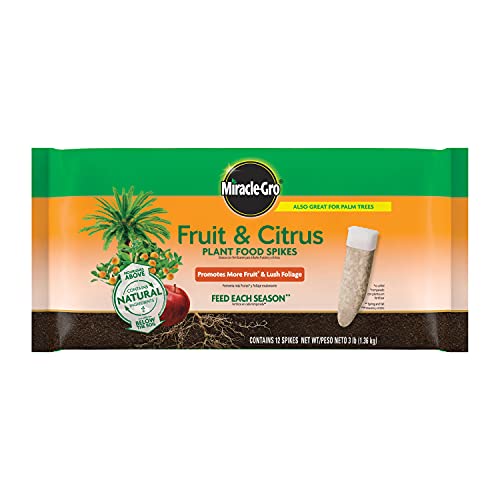
FORMULATED FOR CITRUS AND FRUIT TREES: Use these citrus fertilizer spikes on apple, orange, lemon, lime, and avocado trees; this formula is also great for feeding palm trees
Pest and Disease Management for Persimmons
Managing pests and diseases is crucial for the successful cultivation of persimmon trees in Massachusetts. This section explores common threats to these trees, including specific pests and diseases that can hinder growth and fruit production. Effective strategies for prevention and treatment will help ensure a healthy and productive persimmon harvest in New England’s unique climate.
Pests and diseases can threaten persimmon trees. Regular monitoring and preventive measures are essential. Common issues include:
Scale insects: Treat with horticultural oil.
Root rot: Ensure proper drainage and avoid overwatering.
Fungal diseases: Apply fungicides if necessary during wet seasons.
Always follow label instructions for any chemical treatments to avoid harming beneficial insects.
Recommended Products

3-in-1 FORMULA: Aphid spray for outdoor plants for use on roses, flowers, shrubs and trees to control listed insects, disease and mites

3-IN-1 PLANT CARE: 3-In-1 Insect, Disease & Plant Mite Control provides insect control, disease control, and plant mite control all in one; Rainproof protection starts in 4 hours and lasts up to 14 days
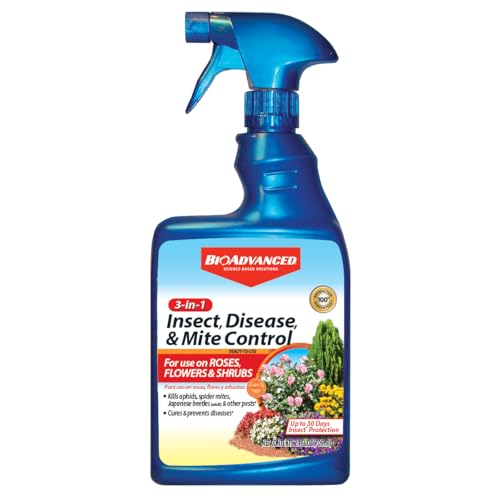
INSECT KILLER: Army worm killer. Also kills insects such as Aphids, Spider Mites, Japanese Beetles, Caterpillars, and other listed insects
Pruning Techniques for Healthy Persimmons
Pruning is a crucial aspect of cultivating healthy persimmon trees, especially in the unique climate of Massachusetts. Proper techniques not only enhance the tree’s structure and fruit production but also promote overall vitality. Understanding the specific pruning methods suitable for persimmons can lead to a successful harvest in New England’s challenging environment.
Pruning is necessary to maintain tree health and encourage fruit production.
Remove dead or damaged branches during dormancy.
Thin out crowded branches to improve air circulation.
Shape the tree to allow sunlight penetration for all branches.
Optimal Harvest Timing for Persimmons
Understanding the optimal harvest timing for persimmons is crucial for achieving the best flavor and quality in Massachusetts. This section will explore the signs that indicate when persimmons are ripe, ensuring that growers can maximize their yield and enjoy the sweet rewards of their hard work. Careful attention to timing can make all the difference in a successful harvest.
Harvesting persimmons at the right time ensures optimal flavor.
Check for color change; ripe persimmons will turn a vibrant orange.
Gently twist the fruit to detach it from the tree.
Handle with care to avoid bruising.
Unripe persimmons can be astringent and unpleasant to eat.
Massachusetts Climate Effects on Persimmons
Understanding the climate of Massachusetts is crucial for successfully growing persimmon trees in the region. The unique weather patterns, including temperature variations and seasonal changes, directly influence the health and productivity of these trees. This section explores how Massachusetts’ climate affects persimmon cultivation and offers insights for gardeners looking to thrive in New England.
Massachusetts weather can be unpredictable, affecting persimmon growth.
Monitor local frost dates to protect young trees.
Use row covers during late spring frosts.
Consider planting in sheltered areas to mitigate wind damage.
By following these guidelines, you can successfully grow persimmon trees in Massachusetts, enjoying their delicious fruit and vibrant fall foliage.
