

Growing cherry trees in Maine requires selecting cold-hardy varieties and implementing proper care techniques. The right choices ensure healthy growth and fruitful harvests despite the harsh climate.
Selecting Cold-Hardy Cherry Varieties for Maine
Choosing the right cherry tree varieties is crucial for success in Maine’s cold climate. Cold-hardy types, such as Montmorency and North Star, thrive in USDA hardiness zones 3-5. These varieties not only withstand freezing temperatures but also produce high-quality fruit. When selecting your trees, consider factors such as disease resistance, growth habits, and pollination needs. For instance, some varieties may require cross-pollination to produce fruit, while others are self-pollinating. This is essential for ensuring a good yield, especially in areas where pollinator populations may be low.
In addition to Montmorency and North Star, the Meteor variety is also worth considering, as it offers a sweet flavor profile and is self-pollinating, making it easier to grow in home gardens. The selection of cherry varieties should also take into account the expected fruit uses, whether for fresh consumption, baking, or preserving.
| Variety | Hardiness Zone | Fruit Type | Pollination Requirement |
|---|---|---|---|
| Montmorency | 3-5 | Sour | Self-pollinating |
| North Star | 3-5 | Sweet | Requires pollinator |
| Meteor | 4-7 | Sweet | Self-pollinating |
Recommended Products

Rich, Dark Cherries: Produces small to medium-sized, deep red-black cherries with a bold, tangy-sweet flavor, perfect for fresh eating and baking.

PREMIUM QUALITY | Cold storage and humidity control for keeping the seeds healthy and fresh at all times*.
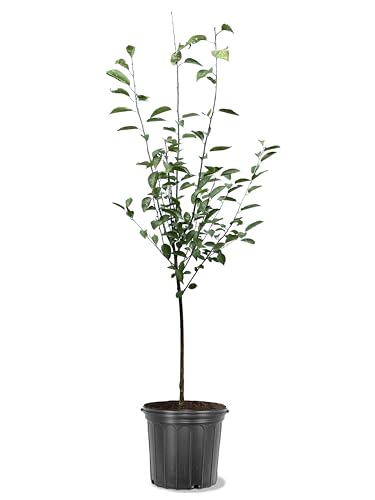
Cherry Tree 'Stella' Semi-Dwarf – Produces large, deep red cherries with a sweet, rich flavor and firm texture, perfect for fresh eating, baking, and preserves.
Cherry Tree Planting Site Essentials
Preparation of the planting site significantly impacts the growth and health of cherry trees. Choose a location that receives full sun for at least six hours daily, as cherry trees thrive in bright light. Ensure the soil is well-draining and rich in organic matter, as waterlogged conditions can lead to root rot. Conduct a soil test to determine pH levels, aiming for a range of 6.0 to 7.0, which is optimal for cherry trees. If the pH is too low or too high, amendments such as lime or sulfur can be added to adjust it accordingly.
Amending the soil with compost or well-rotted manure not only enhances fertility but also improves soil structure, promoting better root development. The preparation process should also include removing any debris and weeds that may compete for nutrients.
Clear debris and weeds from the area to reduce competition.
Loosen the soil to a depth of at least 12 inches to facilitate root penetration.
Mix organic matter thoroughly into the soil to improve its nutrient content.
Recommended Products

Kindly NOTE: This soil tester can not be applied to test pH value of any other liquid. If the soil is too dry the indicator will not move, and water it before testing.

KNOW BEFORE YOU GROW | Grow the healthiest, sustainable lawn and garden with the most accurate and easy to use professional soil test kit on the market

Accurate Soil pH Testing: Dewildetradingco Soil pH Test Strips offer measurements of soil pH levels (pH 3.5-9). As an essential tool for every gardener and grower, these test strips help determine the optimal pH for various plants, such as outdoor plants, indoor plants, gardens, grass lawns, fruit trees, flowers, vegetables, and forest shrubs.
Maine Cherry Tree Planting Best Practices
Proper planting techniques are essential to set the foundation for healthy cherry trees. Dig a hole that is twice the width of the root ball and just deep enough to accommodate the roots without bending. This allows the roots to spread out and establish themselves effectively. Place the tree in the hole, ensuring the graft union—the point where the tree variety was grafted onto the rootstock—is above soil level. This is crucial for the tree’s health and growth. Backfill with soil and water thoroughly to eliminate air pockets, which can hinder root establishment.
Dig a hole 2 feet wide and 1.5 feet deep to provide ample space for root growth.
Position the tree upright in the center of the hole, ensuring it is straight.
Fill with soil and water deeply to settle the soil around the roots.
Cherry Tree Seasonal Care and Pruning
Regular care ensures your cherry trees thrive throughout the seasons. Water young trees consistently, especially during dry spells, as they are more susceptible to drought stress. Fertilize in early spring with a balanced fertilizer to promote growth, following the manufacturer’s recommendations for application rates. Pruning is another critical maintenance task that should be performed annually to maintain shape and remove dead or diseased branches, which can harbor pests and diseases.
Water deeply once a week during dry periods, ensuring the soil remains moist but not waterlogged.
Apply a balanced fertilizer in spring, ideally before the buds break, to support robust growth.
Prune in late winter or early spring to encourage healthy growth and improve air circulation within the canopy.
Integrated Pest Management for Cherry Trees
Pests and diseases can pose significant threats to the health of cherry trees. Common pests include aphids, which can cause curling leaves, and cherry fruit flies, which can damage the fruit. Diseases like brown rot can severely affect fruit quality, leading to losses at harvest time. Implementing integrated pest management strategies, which combine cultural, biological, and chemical controls, can help minimize risks. Regular inspections of your trees are essential for catching issues early and addressing them before they escalate.
| Pest/Disease | Symptoms | Control Method |
|---|---|---|
| Aphids | Curling leaves | Insecticidal soap, natural predators like ladybugs |
| Cherry fruit fly | Holes in fruit | Traps and insecticides, removal of fallen fruit |
| Brown rot | Rotting fruit | Remove infected fruit, improve air circulation |
Recommended Products

MOUSE AND BUG TRAPS: Tomcat Glue Boards are sticky bug traps that effectively capture mice and other household pests like cockroaches, spiders, or scorpions without the use of bait

IMPRESSIVE TREE COVERAGE: Catchmaster's Tree Shield Insect Barrier is a heavy-duty crawling and flying insect trap. The tree shield measures 30 feet long, allowing you to protect more of your trees in less time. The 30-foot rolls can be easily cut to adapt to different tree and plant sizes throughout your property

Attracts greater & lesser Peach Tree Borers (Synanthedon exitiosa) as well as many other clearwing moth species
Cherry Picking Timing and Best Practices
Harvesting cherries at the right time is essential for optimal flavor and quality. Monitor fruit color and firmness closely as the harvest season approaches. For sour cherries, harvest when they turn bright red, as this indicates peak acidity and flavor. Sweet cherries should be fully colored and slightly soft to the touch, signaling that they are ready for picking. Handle the fruit gently to avoid bruising, which can lead to spoilage.
Pick cherries in the morning for best quality, as cooler temperatures help preserve their firmness.
Store harvested cherries in a cool, dry place to prolong freshness and prevent spoilage.
Enjoy fresh or use in recipes such as pies, jams, or sauces, maximizing the use of your homegrown produce.
Growing cherry trees in Maine can be rewarding with the right knowledge and practices. Following these steps will help cultivate healthy trees and ensure a bountiful harvest.
