

Apple trees can thrive in Boise, ID, despite its high desert climate. With proper selection of varieties and attention to soil and water needs, successful apple cultivation is achievable.
Recommended Apple Varieties for Boise’s Climate
When considering apple cultivation in Boise’s unique high desert climate, selecting the right varieties is crucial for success. The region’s temperature fluctuations and soil conditions can impact growth and fruit quality. Here are some recommended apple varieties that thrive in Boise, ensuring a fruitful harvest for local gardeners.
Selecting the right apple varieties is crucial for success in Boise’s high desert environment. Varieties that are hardy and can withstand temperature fluctuations are ideal. The following apples are recommended for this region:
| Apple Variety | Chill Hours Required | Disease Resistance | Harvest Time |
|---|---|---|---|
| Honeycrisp | 800-1,000 | Moderate | Late Summer |
| Fuji | 700-800 | High | Fall |
| Gala | 600-700 | Moderate | Late Summer |
| Granny Smith | 600-700 | High | Fall |
These varieties not only adapt well but also produce quality fruit. Consider local nurseries for availability and specific recommendations.
High Desert Soil Preparation for Apple Trees
Preparing the soil is crucial for successfully growing apple trees in Boise’s high desert climate. The unique soil conditions in this region require careful attention to ensure optimal drainage, nutrient availability, and pH balance. Understanding these factors will help you create a thriving environment for your apple trees to flourish.
Soil quality directly impacts apple tree growth and fruit production. High desert soils often lack essential nutrients and may be too sandy or rocky. Follow these steps for optimal soil preparation:
Test the soil for pH and nutrient levels. Aim for a pH between 6.0 and 7.0.
Amend the soil with organic matter such as compost or well-rotted manure to improve fertility and water retention.
Ensure proper drainage by creating raised beds if necessary. This helps prevent root rot.
Regular soil testing can help maintain nutrient levels and pH balance.
High Desert Apple Tree Watering Strategies
In the high desert climate of Boise, ID, effective watering strategies are crucial for the successful growth of apple trees. With limited rainfall and fluctuating temperatures, understanding how to manage water resources can make a significant difference in tree health and fruit production. This section explores tailored techniques to ensure your apple trees thrive in this unique environment.
In Boise’s arid climate, adequate watering is vital for apple tree health. Overwatering can lead to root problems, while underwatering can stress the trees. Implement these watering techniques:
Drip irrigation is recommended for efficient water use. This method delivers water directly to the root zone.
Mulch around the base of the trees to retain moisture and regulate soil temperature.
Monitor soil moisture regularly. A moisture meter can help determine when to water.
Adjust watering frequency based on seasonal changes and rainfall.
Recommended Products

Complete 240FT Drip Irrigation Kit - The garden irrigation system includes 40FT of 1/2" main tubing, 200FT of 1/4" distribution tubing, and 143 essential components. You can customize the setup to fit your garden layout, covering up to 250 sq. ft. or split into two areas of 120 sq. ft. each

SAVE TIME AND EFFORT: This plant watering kit has everything you need to get started with drip irrigation and precisely water up to ten individual plants. Use the kit to build, expand, or repair a drip irrigation system
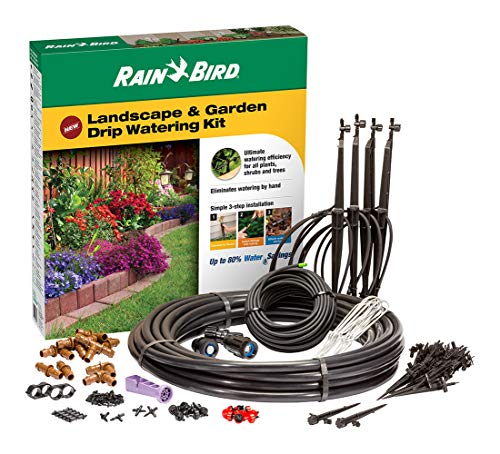
Comprehensive 108-piece kit for flower beds, gardens and landscaped areas; eliminates hand watering, saves time and money
Pest Control Techniques for Apple Trees
Managing pests is crucial for the health and productivity of apple trees, especially in Boise’s unique high desert environment. Effective pest control techniques can help protect your trees from common threats while promoting robust growth and fruit production. This section explores various strategies tailored to the specific challenges faced by apple growers in this region.
Apple trees are susceptible to various pests and diseases. Proactive management can prevent significant damage. Consider these strategies:
Regularly inspect trees for signs of pests such as aphids or codling moths.
Apply organic pesticides if infestations occur. Neem oil is effective against many common pests.
Practice crop rotation and diversify plantings to reduce disease incidence.
A healthy tree is less prone to pests and diseases. Regular maintenance is essential.
Fertilization Timing for Apple Trees in Boise
Understanding the optimal fertilization timing for apple trees in Boise is crucial for successful growth in the high desert climate. This section will explore the best practices and specific timing recommendations to ensure your apple trees receive the nutrients they need throughout the growing season, ultimately leading to a fruitful harvest.
Fertilizing apple trees correctly can enhance growth and fruit production. Timing and type of fertilizer are important. Follow this fertilization schedule:
Early Spring: Apply a balanced fertilizer with equal parts nitrogen, phosphorus, and potassium.
Mid-Summer: Use a low-nitrogen fertilizer to support fruit development.
Fall: Apply compost or organic mulch to enrich the soil as trees prepare for dormancy.
Avoid over-fertilizing, as this can lead to excessive leaf growth at the expense of fruit.
High Desert Factors for Apple Trees
Growing apple trees in Boise, ID, presents unique challenges and opportunities due to its high desert climate. Understanding the specific environmental factors, such as temperature fluctuations, soil conditions, and water availability, is crucial for successful cultivation. This section explores these elements to help aspiring gardeners make informed decisions about planting apple trees in this region.
Boise’s high desert climate presents unique challenges for apple tree cultivation. Monitor the following factors closely:
Frost protection is essential in early spring. Use row covers or frost cloths to shield young blossoms.
Sun exposure should be maximized. Plant trees in locations that receive full sun for at least six hours daily.
Spacing between trees is important for air circulation and sunlight penetration.
Proper planning and care can lead to a fruitful apple harvest in Boise.
Apple Tree Care Requirements for Boise
Growing apple trees in Boise’s high desert climate presents unique challenges and opportunities. Understanding the specific care requirements for these trees is essential for successful cultivation. This section outlines the key factors to consider, including soil conditions, watering practices, and pest management tailored to Boise’s environment.
This table summarizes key care requirements for apple trees in Boise.
| Care Aspect | Recommended Action | Frequency |
|---|---|---|
| Soil Testing | Test for pH and nutrients | Annually |
| Watering | Use drip irrigation | Weekly |
| Fertilization | Apply balanced fertilizer | Spring and Fall |
| Pest Inspection | Check for pests and diseases | Monthly |
Following these guidelines will ensure healthy apple trees and a bountiful harvest.
