

Growing apricot trees in Michigan requires careful selection and attention to local climate conditions. Successful cultivation hinges on choosing the right varieties and implementing effective care strategies to thrive in the Great Lakes region.
Best Apricot Varieties for Michigan Climate
Selecting the right apricot varieties is crucial for successful cultivation in Michigan’s unique climate. The state’s cold winters and variable temperatures can challenge growers, making it essential to choose varieties that are both hardy and well-suited to local conditions. This section highlights the best apricot options that thrive in the Great Lakes region.
Choosing the right apricot variety is crucial for success in Michigan’s climate. The state experiences cold winters and variable spring temperatures, which can affect fruit set and tree health. Recommended varieties include:
Moorpark: Known for its large fruit and sweet flavor, it is hardy and adapts well to colder climates.
Tilton: This variety is self-pollinating and produces medium-sized fruit, making it a reliable choice.
Goldcot: A cold-hardy option that offers good disease resistance and a sweet taste.
Consider local nurseries for availability and consult with local growers for insights on performance.
Soil Quality for Thriving Apricot Trees
To successfully grow apricot trees in Michigan, understanding soil quality is essential. The right soil conditions not only support healthy root development but also enhance fruit production. This section explores the specific soil requirements and amendments needed to create an optimal environment for thriving apricot trees in the Great Lakes region.
Soil quality significantly impacts the growth of apricot trees. They thrive in well-drained, sandy loam soils with a pH between 6.0 and 7.0.
Conducting a soil test can help determine the necessary amendments. Key factors include:
Drainage: Ensure soil drains well to prevent root rot.
Nutrients: Incorporate organic matter to enhance soil fertility.
pH Level: Adjust with lime or sulfur as needed to maintain optimal pH.
Consider creating raised beds if drainage is a concern.
Apricot Tree Planting Best Practices
Successfully planting apricot trees in Michigan requires an understanding of the local climate and soil conditions. By following best practices tailored to the Great Lakes region, you can enhance the chances of your trees thriving and producing fruit. This section outlines essential steps to ensure healthy growth and optimal yields for your apricot trees.
Proper planting techniques set the foundation for healthy apricot trees. Follow these steps for successful planting:
Choose a Location: Select a sunny spot with protection from harsh winds.
Dig a Hole: Make a hole twice as wide and as deep as the root ball.
Prepare the Tree: Remove the tree from its container and gently loosen any circling roots.
Position the Tree: Place the tree in the center of the hole, ensuring the graft union is above soil level.
Backfill: Fill the hole with soil, firming it gently to eliminate air pockets.
Water Thoroughly: Water the tree deeply after planting to settle the soil.
Recommended Products

Do not plant in a container, only in the ground. All pictures are of fully grown plants. Sizes shipped are in the title and description. Deciduous plants do not have leaves in the winter.

Due to agricultural laws, we cannot ship to California, Arizona, Alaska, or Hawaii; orders will be cancelled if you ship to one of these states

Due to agricultural laws, we cannot ship to California, Arizona, Alaska, or Hawaii; orders will be cancelled if you ship to one of these states
Apricot Tree Varieties for Michigan
When selecting apricot tree varieties for Michigan, it’s essential to consider the state’s unique climate and growing conditions. Certain varieties thrive better than others, offering the best chances for successful fruit production. This section delves into the most suitable apricot tree options that can flourish in the Great Lakes region.
| Variety | Size of Fruit | Self-Pollinating | Hardiness Zone |
|---|---|---|---|
| Moorpark | Large | Yes | 5-8 |
| Tilton | Medium | Yes | 5-8 |
| Goldcot | Medium | Yes | 5-8 |
Seasonal Apricot Tree Care Practices
Caring for apricot trees in Michigan requires a keen understanding of seasonal needs to ensure healthy growth and fruitful harvests. From spring pruning to fall preparations, each season presents unique challenges and opportunities that can significantly impact tree health and productivity. This section outlines essential care practices tailored to the Great Lakes climate, helping growers achieve success with their apricot trees.
Maintaining apricot trees requires attention throughout the growing season. Key care practices include:
Watering: Ensure consistent moisture, especially during dry spells. Deep watering encourages root growth.
Fertilizing: Apply a balanced fertilizer in early spring before new growth begins.
Pruning: Conduct light pruning in late winter to shape the tree and remove any dead or diseased branches.
Monitor for pests and diseases, such as aphids or brown rot, and implement control measures as necessary.
Recommended Products

4-Hole Side Design: This high-performance tree watering spike makes it easy to deliver water and fertilizer directly to the root zone. The upgraded side-hole design helps improve watering efficiency, while the sharp tip makes it easy to push into hard or compact soil. The 4 side outlets help reduce clogging and distribute water more evenly for deep root watering and feeding.

PROTECTS PRUNED LIMBS: Tree & Shrub Pruning Seal Spray forms a waterproof protective seal over cuts and damaged areas to help guard trees and shrubs from insects and disease
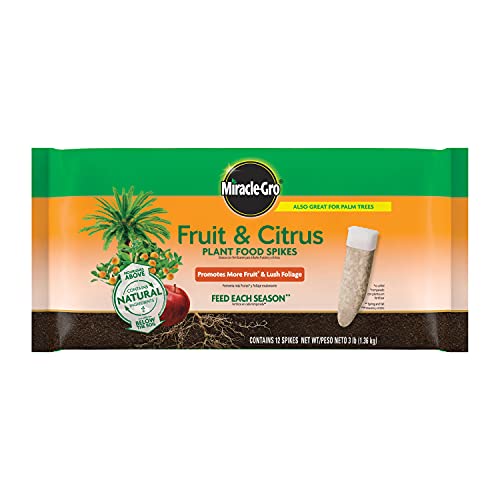
FORMULATED FOR CITRUS AND FRUIT TREES: Use these citrus fertilizer spikes on apple, orange, lemon, lime, and avocado trees; this formula is also great for feeding palm trees
Pest and Disease Control for Apricot Trees
Managing pests and diseases is crucial for the successful cultivation of apricot trees in Michigan’s unique climate. Understanding the common threats and implementing effective control measures can significantly enhance tree health and fruit yield. This section delves into practical strategies for safeguarding your apricot trees from potential infestations and diseases.
Pest and disease management is essential for healthy apricot trees. Common issues include:
Aphids: These pests can weaken trees. Use insecticidal soap for control.
Brown Rot: A fungal disease affecting fruit. Remove infected fruit and maintain good air circulation.
Bacterial Canker: This can cause dieback. Prune affected areas and ensure proper sanitation.
Regular inspections can help catch problems early.
Recommended Products

PEST DEFENSE - Insecticidal Super Soap controls species of adelgid, ant, aphid, borer, caterpillar, spider mite, cricket, chinch bug, weevil, fly, thrip, & more. OUTDOOR USE...
Apricot Harvest Timing and Storage Tips
Understanding the optimal timing for harvesting apricots is crucial for achieving the best flavor and quality in Michigan’s unique climate. This section provides essential insights into when to pick your apricots and effective storage techniques to preserve their freshness, ensuring a successful harvest that can be enjoyed long after the growing season ends.
Harvesting apricots at the right time ensures the best flavor. Look for these signs:
Color Change: Fruit should turn a golden color.
Softness: Gently squeeze the fruit; it should yield slightly.
Ease of Picking: Ripe apricots detach easily from the tree.
Store harvested fruit in a cool, dry place. Refrigeration can extend freshness for a short period.
Apricot Tree Care Essentials for Michigan
Caring for apricot trees in Michigan requires a tailored approach that considers the region’s unique climate and soil conditions. Understanding the essentials of apricot tree care can significantly enhance growth and fruit production, ensuring that these trees thrive in the Great Lakes environment. This section outlines key practices that will help you cultivate healthy and productive apricot trees.
| Task | Timing | Frequency | Notes |
|---|---|---|---|
| Watering | Growing season | Weekly | Deep watering preferred |
| Fertilizing | Early spring | Annually | Balanced fertilizer |
| Pruning | Late winter | As needed | Shape tree and remove dead wood |
| Pest Control | Growing season | As needed | Inspect regularly |
Regular attention to these practices will enhance the growth and yield of apricot trees in Michigan.
