

Apple trees can thrive in Indiana with the right conditions and care. Selecting suitable varieties and understanding local climate factors are essential for successful growth in the Hoosier State.
Best Apple Tree Varieties for Indiana Climate
When selecting apple tree varieties for Indiana, it’s essential to consider the state’s unique climate and growing conditions. Certain varieties thrive better than others, offering resilience against local pests and diseases while producing delicious fruit. This section highlights the best apple tree options tailored specifically for Indiana’s environment, ensuring successful cultivation for both novice and experienced gardeners.
Choosing the appropriate apple tree varieties is crucial for success in Indiana’s climate. The state experiences a mix of cold winters and warm summers, which can affect fruit production.
Some varieties are more resilient to local weather conditions and diseases. Consider these options:
Honeycrisp: Known for its crisp texture and sweet flavor, this variety is popular among Indiana growers.
Granny Smith: This tart apple is excellent for cooking and can withstand colder temperatures.
Fuji: A sweet apple that thrives in warmer conditions, making it suitable for southern Indiana.
| Variety | Flavor Profile | Disease Resistance | Best Growing Zone |
|---|---|---|---|
| Honeycrisp | Sweet | Moderate | 5-7 |
| Granny Smith | Tart | High | 5-8 |
| Fuji | Sweet | Moderate | 5-7 |
Recommended Products

The apples produced have multiple uses, suitable for fresh eating, baking into pies, or creating homemade applesauce
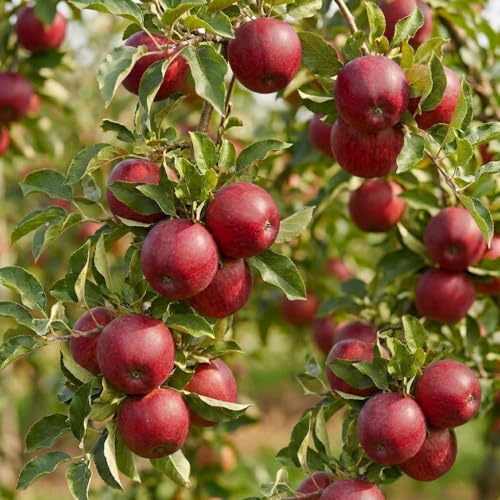
🍎 3 Live Apple Tree Saplings: Receive three healthy young apple tree saplings ready to plant and grow in your garden, backyard orchard, or container. Plants ship dormant (not leaves or fruit) in spring.

Shipping Restrictions: Due to Agricultural Laws, we Cannot Ship to CA, AZ, AK, or HI - YOUR ORDER WILL BE CANCELED
Indiana Climate Impact on Apple Tree Growth
Indiana’s climate plays a crucial role in determining the success of apple tree growth in the region. With its varying temperatures, humidity levels, and seasonal changes, understanding how these factors influence apple cultivation is essential for gardeners and farmers alike. This section delves into the specific climate conditions in Indiana that affect the health and productivity of apple trees.
Indiana’s climate varies significantly across regions, impacting how apple trees grow. The northern part of the state experiences colder winters, while the southern region enjoys milder temperatures. Understanding these differences helps in selecting the right planting site and variety.
Frost Dates: Be aware of the average last frost date in your area. Planting too early can damage young trees.
Soil Quality: Test your soil for pH and nutrient levels. Apple trees prefer slightly acidic to neutral soil (pH 6.0-7.0).
Soil Management for Healthy Apple Trees
Proper soil management is crucial for cultivating healthy apple trees in Indiana’s unique climate. Understanding the specific soil types and their properties can significantly impact growth and fruit production. This section delves into effective practices and considerations to ensure optimal soil conditions for thriving apple orchards in the Hoosier State.
Soil health directly influences apple tree growth and fruit quality. Proper soil management ensures trees receive adequate nutrients. Implement these practices:
Soil Testing: Conduct a soil test to determine nutrient levels and pH.
Amendments: Add organic matter or fertilizers based on soil test results to improve fertility.
Mulching: Apply mulch around the base of the tree to retain moisture and suppress weeds.
Pruning Strategies for Thriving Apple Trees
Pruning is a crucial aspect of maintaining healthy apple trees, especially in Indiana’s unique climate. Proper techniques not only enhance fruit production but also improve tree structure and resilience. This section outlines effective pruning strategies tailored for the Hoosier State, ensuring your apple trees thrive and yield abundant harvests.
Regular pruning is essential for maintaining healthy apple trees. Proper pruning encourages better air circulation, sunlight penetration, and fruit production. Follow these steps:
Timing: Prune during late winter or early spring before new growth begins.
Technique: Remove dead or diseased branches and thin out crowded areas to improve airflow.
Shaping: Aim for an open center structure to allow sunlight to reach all parts of the tree.
Recommended Products

【Surgical-Precision Grafting Tools】 Crafted with Japanese SK5 High-Carbon Steel blades (HRC 58-60 hardness) and ergonomic ABS handles, our 2-in-1 pruner delivers clean cuts up to 1/2" diameter branches. Dual-edge Ω/U/V blades prevent stem crushing, boosting grafting success rates by 40%* (*lab test data).

Heat-Treated Serrated Saw Blade: 8" saw blade designed for efficient cutting of branches and tough materials, ensuring sharpness and durability.

CHOPS THROUGH 2-INCH BRANCHES EFFORTLESSLY: The compound action mechanism multiplies your cutting power for fast removal of dry, dead and woody growth. This anvil-style blade is built for the toughest preparatory cuts and cut-to-length work, making heavy-duty pruning dramatically easy through extra leverage.
Apple Tree Pest Control in Indiana
Managing pests is crucial for the successful growth of apple trees in Indiana. The state’s unique climate and ecosystem present specific challenges that can affect tree health and fruit yield. Understanding effective pest control strategies will help Hoosier apple growers protect their trees and ensure a bountiful harvest.
Indiana’s apple trees face various pests and diseases that can hinder growth. Implementing effective management strategies is vital. Monitor for common issues such as:
Apple Scab: A fungal disease that affects leaves and fruit. Use resistant varieties and apply fungicides as needed.
Codling Moth: This pest can damage fruit. Use traps and consider organic pesticides for control.
| Pest/Disease | Symptoms | Control Methods |
|---|---|---|
| Apple Scab | Dark spots on leaves | Fungicides, resistant varieties |
| Codling Moth | Wormy fruit | Traps, organic pesticides |
Irrigation Techniques for Healthy Apple Trees
Effective irrigation is crucial for cultivating healthy apple trees in Indiana’s varying climate. Understanding the specific water needs of these trees can significantly impact their growth and fruit production. This section explores various irrigation techniques tailored to ensure optimal health and yield for apple trees in the Hoosier State.
Proper watering is critical for apple tree health, especially during dry periods. Establishing a consistent watering routine helps trees develop strong root systems. Consider the following:
Deep Watering: Water deeply and less frequently to encourage root growth.
Irrigation Systems: Drip irrigation is efficient and minimizes water waste.
Mulch: Use mulch to retain moisture in the soil.
Recommended Products
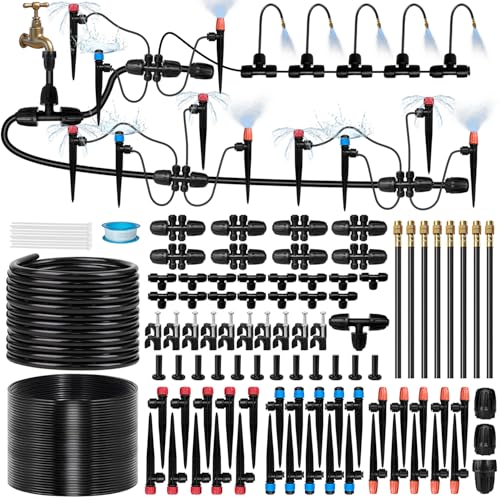
【Upgraded Tube Design & Water Saving】 Our garden watering system is upgraded to 1/2” diameter to support high water pressure. The 1/2” tee connector allows seamless splitting into 2 independent zones for customized watering schedules. By delivering moisture directly to root zones, this drip Irrigation system significantly reduces evaporation and runoff—saving more water compared to conventional sprinklers while eliminating the need for manual watering.
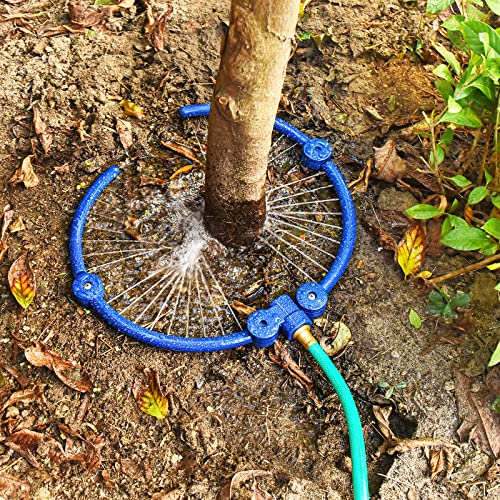
【Specially Designed for Trees and Shrubs】 The Watering Ring is a multi-purpose irrigation ring that attaches to a garden hose to efficiently water young trees shrubs vegetables or flower beds using drip or trickle irrigation.It directs water to the root perimeter of the plant to give them a good start during the first two growing seasons or through periods of drought.

NO MORE HARD INSTALLATION - SET UP IN MINUTES. Tired of struggling with stiff barbed fittings? This drip irrigation system features quick-connect fittings that let you push, lock, and secure tubing effortlessly. No tools, no leaks, just a smooth setup experience. Enjoy a frustration-free installation and get your garden watering system running in minutes.
Optimal Harvest Timing for Indiana Apples
Understanding the optimal harvest timing for apples in Indiana is crucial for maximizing yield and quality. The state’s unique climate and growing conditions influence when apples reach their peak ripeness. This section will provide insights into the best times to harvest various apple varieties in Indiana, ensuring a successful and fruitful season.
Harvesting at the right time ensures the best flavor and quality of apples. Monitor fruit maturity closely to determine the best harvest time.
Color Change: Look for color changes in the apples as an indicator of ripeness.
Taste Test: Sample apples to check for sweetness and flavor.
Gentle Handling: Use care when picking to avoid bruising the fruit.
Successful Practices for Indiana Apple Cultivation
Growing apple trees in Indiana can be a rewarding endeavor, but success hinges on understanding the region’s unique climate and soil conditions. This section outlines effective practices tailored for Hoosier growers, ensuring that your apple cultivation thrives amidst the challenges and opportunities presented by Indiana’s agricultural landscape.
Growing apple trees in Indiana can be rewarding with the right knowledge and practices. Focus on selecting suitable varieties, managing soil health, and employing effective pest control measures. Consistent care will lead to a fruitful harvest.
