

Growing almond trees in Garland, TX requires specific care to thrive in the local climate. Understanding soil conditions, irrigation needs, and pest management will ensure a successful yield.
Soil Testing for Almond Tree Growth
Understanding the soil composition is crucial for successfully growing almond trees in Garland, TX. Soil testing provides valuable insights into nutrient levels, pH balance, and drainage capabilities, all of which significantly impact tree health and productivity. This section will explore the importance of soil analysis and how it can guide your almond cultivation efforts in Dallas County.
Almond trees prefer well-drained soil with a pH between 6.0 and 7.5. In Garland, the soil can vary widely, so testing is essential. This ensures the right nutrients are available for optimal growth.
Soil Testing Kits: Purchase a reliable kit to analyze pH and nutrient levels.
Amendments: Use lime to raise pH or sulfur to lower it based on test results.
Organic Matter: Incorporate compost to improve soil structure and fertility.
| Soil Type | pH Level | Nutrient Content |
|---|---|---|
| Sandy Loam | 6.5 | Moderate |
| Clay Loam | 7.0 | High |
| Silty Soil | 6.8 | Low |
Recommended Products

Quick, at home results for Soil pH, Nitrogen, Phosphorous and Potash Innovative and inexpensive soil test kit features an easy-to-use capsule system and patented color comparators

KNOW BEFORE YOU GROW | Grow the healthiest, sustainable lawn and garden with the most accurate and easy to use professional soil test kit on the market

Accurate Soil pH Testing: Dewildetradingco Soil pH Test Strips offer measurements of soil pH levels (pH 3.5-9). As an essential tool for every gardener and grower, these test strips help determine the optimal pH for various plants, such as outdoor plants, indoor plants, gardens, grass lawns, fruit trees, flowers, vegetables, and forest shrubs.
Best Almond Varieties for Garland Climate
When selecting almond varieties for the unique climate of Garland, TX, it’s essential to consider factors such as temperature, soil type, and local pest pressures. Certain varieties thrive better in this region, offering higher yields and improved resistance to environmental challenges. Understanding these options will help ensure a successful almond harvest in Dallas County.
Choosing the right almond variety is crucial for success in Garland. Some varieties are more suited to the local climate and pest pressures.
Nonpareil: Known for high yield and quality.
Carmel: Offers good disease resistance and is a reliable producer.
Tuono: A hardy variety that adapts well to Texas conditions.
Irrigation Techniques for Almond Trees
Irrigation is crucial for the successful growth of almond trees, especially in the unique climate of Garland, TX. Understanding the specific water needs and effective irrigation methods can significantly enhance tree health and nut production. This section explores various techniques tailored for the region to ensure optimal moisture levels for thriving almond orchards.
Proper irrigation is vital for almond trees, especially during the hot Texas summers. Establishing an efficient system can prevent water stress and promote healthy growth.
Drip Irrigation: Install a drip system to deliver water directly to the roots.
Watering Schedule: Water deeply every 7-10 days during dry spells.
Mulching: Apply mulch to retain moisture and suppress weeds.
Recommended Products
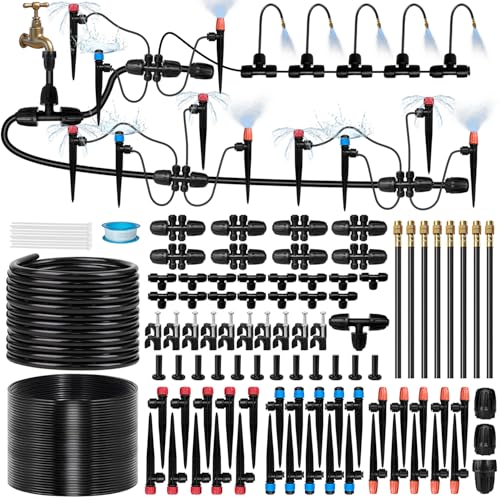
【Upgraded Tube Design & Water Saving】 Our garden watering system is upgraded to 1/2” diameter to support high water pressure. The 1/2” tee connector allows seamless splitting into 2 independent zones for customized watering schedules. By delivering moisture directly to root zones, this drip Irrigation system significantly reduces evaporation and runoff—saving more water compared to conventional sprinklers while eliminating the need for manual watering.
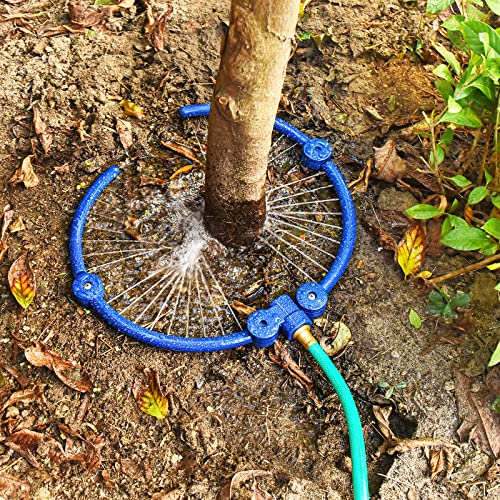
【Specially Designed for Trees and Shrubs】 The Watering Ring is a multi-purpose irrigation ring that attaches to a garden hose to efficiently water young trees shrubs vegetables or flower beds using drip or trickle irrigation.It directs water to the root perimeter of the plant to give them a good start during the first two growing seasons or through periods of drought.

NO MORE HARD INSTALLATION - SET UP IN MINUTES. Tired of struggling with stiff barbed fittings? This drip irrigation system features quick-connect fittings that let you push, lock, and secure tubing effortlessly. No tools, no leaks, just a smooth setup experience. Enjoy a frustration-free installation and get your garden watering system running in minutes.
Pest Control Strategies for Almond Trees
Effective pest control is crucial for maintaining healthy almond trees in Garland, TX. Given the region’s unique climate and pest challenges, understanding specific strategies tailored to Dallas County can significantly enhance tree health and yield. This section explores various pest management techniques that local growers can implement to protect their almond crops.
Pest and disease management is essential for maintaining healthy almond trees. Regular monitoring and timely interventions can prevent significant damage.
Common Pests: Watch for aphids, spider mites, and scale insects.
Preventive Sprays: Use neem oil or insecticidal soap as a preventive measure.
Disease Prevention: Maintain proper spacing and air circulation to reduce fungal diseases.
| Pest/Disease | Symptoms | Treatment |
|---|---|---|
| Aphids | Curling leaves | Neem oil application |
| Scale Insects | Sticky residue | Insecticidal soap |
| Fungal Diseases | Wilting | Improve air circulation |
Recommended Products
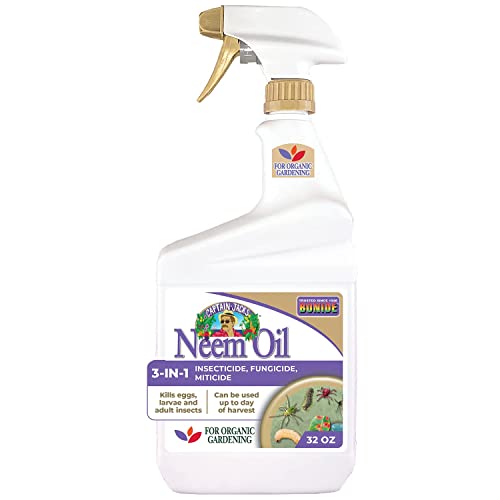
Protect your oasis with 3 garden products in 1 from Captain Jack’s; Bonide Captain Jack’s Ready-to-Use Neem Oil spray for plants is a multi-purpose fungicide, insecticide and miticide for your lawn & garden

FUNGAL DISEASE CONTROL: Prevents and controls black spot on roses, powdery mildew, rust, downy mildew, and other listed fungal diseases when applied on a 7–14 day schedule
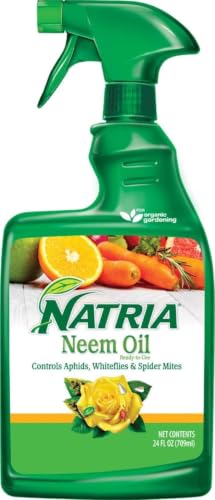
PLANT DISEASE CONTROL: Natria Neem Oil acts as an insecticide and fungicide in one convenient spray; Ready-to-use trigger sprayer requires no mixing
Optimal Planting Season for Almond Trees
Understanding the optimal planting season for almond trees is crucial for successful cultivation in Garland, TX. The local climate and soil conditions significantly influence the best times to plant, ensuring that the trees establish strong roots and thrive. This section delves into the ideal months and conditions for planting almond trees in Dallas County.
Timing is crucial when planting almond trees in Garland. The right season can significantly affect growth and yield.
Best Time: Plant in early spring after the last frost.
Spacing: Space trees 15-20 feet apart for optimal sunlight and airflow.
Planting Depth: Dig a hole twice the width of the root ball and plant at the same depth as in the nursery.
Nutrient Management for Almond Tree Health
Effective nutrient management is crucial for the health and productivity of almond trees in Garland, TX. Understanding the specific soil and climatic conditions of Dallas County can help growers tailor their fertilization strategies to promote robust growth and maximize yields. This section delves into essential nutrients and best practices for maintaining optimal tree health.
Fertilization plays a key role in the growth of almond trees. Proper nutrient management will enhance fruit quality and tree vigor.
Initial Fertilization: Apply a balanced fertilizer at planting.
Annual Feeding: Use a nitrogen-rich fertilizer in early spring.
Soil Testing: Conduct annual tests to adjust nutrient application as needed.
| Fertilizer Type | Application Rate | Timing |
|---|---|---|
| 10-10-10 | 1 lb per tree | Early spring |
| Urea | 0.5 lb per tree | Post-bloom |
Optimal Almond Harvest Timing and Methods
Timing is crucial for a successful almond harvest, especially in Garland, TX, where local climate conditions play a significant role. Understanding the optimal harvest period and employing effective methods can maximize yield and quality. This section delves into the best practices for harvesting almonds in Dallas County, ensuring growers achieve the best results from their efforts.
Harvesting almonds at the right time is essential for quality. Knowing when and how to harvest can maximize yield.
Timing: Harvest when the hulls split and nuts fall to the ground.
Method: Use a mechanical shaker for large orchards or hand-pick for smaller ones.
Drying: Dry nuts in a shaded area to prevent mold.
Monitor closely for signs of ripeness to ensure optimal harvest timing.
