

Have you ever wondered where raspberries come from? Picture this: you’re strolling through a garden, admiring the lush greenery, when you spot plump, juicy raspberries hanging from a plant. But wait, do raspberries grow on trees or bushes? In this article, we’ll explore the fascinating world of raspberry cultivation to uncover the truth.
Understanding how raspberries grow is not only intriguing but also practical knowledge for any berry enthusiast. By clarifying whether raspberries grow on trees or not, you’ll gain insights that can enhance your gardening skills and appreciation for nature’s bounty. So, let’s dig into this berry conundrum and discover the secrets behind raspberry cultivation together.
Key Takeaways
- Raspberries do not grow on trees; they come from perennial flowering plants that form bushes close to the ground.
- Raspberry plants have a unique growth pattern with primocanes and floricanes, requiring well-drained soil, sunlight, and pruning for optimal cultivation.
- Unlike tree-bearing fruits, raspberries thrive close to the ground with roots spreading horizontally for efficient nutrient absorption.
- Successful raspberry cultivation requires attention to essential growing conditions like sunlight, soil pH, watering, spacing, pruning, disease control, pest management, bird protection, and weed competition.
- Growing raspberries offers nutritional benefits rich in vitamin C and fiber while being environmentally friendly with minimal water requirements and pollinator attraction.
- Raspberries are versatile in culinary uses ranging from fresh snacks to desserts and can be used creatively in homemade products like jams or sauces.
The Botany of Raspberries
Understanding the Growth of Raspberries
Raspberries are not grown on trees; they actually come from perennial flowering plants belonging to the rose family. These plants typically have woody stems and grow low to the ground, forming bushes rather than tall trees. Understanding this growth pattern is essential for anyone interested in cultivating raspberries in their garden.
The raspberry plant’s lifecycle begins with planting tiny seeds or using young plants known as “canes.” These canes develop into bushes that produce multiple stems, known as primocanes and floricanes. Primocanes are first-year shoots that do not bear fruit, while floricanes are second-year canes that produce berries.
To ensure optimal growth, raspberries require well-drained soil, adequate sunlight, and regular pruning to promote fruit-bearing canes. By following these basic principles of raspberry cultivation, you can enjoy a bountiful harvest of delicious berries from your own backyard.
Comparison to Tree-Bearing Fruits
Unlike fruits such as apples or peaches that grow on trees, raspberries have a distinct growth habit that sets them apart. While tree-bearing fruits rely on sturdy trunks and branches for support and nutrient uptake, raspberries thrive close to the ground with their roots spreading out horizontally.
The unique structure of raspberry bushes allows them to efficiently absorb nutrients from the soil while benefiting from ample sunlight exposure for photosynthesis. This adaptation enables raspberries to flourish in diverse environments and climates compared to tree-bearing fruits that may have specific soil and temperature requirements.
By recognizing these differences in growth patterns between raspberries and tree-bearing fruits, you can appreciate the versatility of raspberry plants in various gardening settings. Whether grown in containers on a balcony or in a traditional garden bed, raspberries offer both aesthetic appeal and flavorful rewards for your gardening efforts.
Cultivating Raspberries Successfully
To cultivate raspberries successfully, you need to pay attention to essential growing conditions and be prepared for common challenges in raspberry cultivation. Here’s what you need to know:
Recommended Products
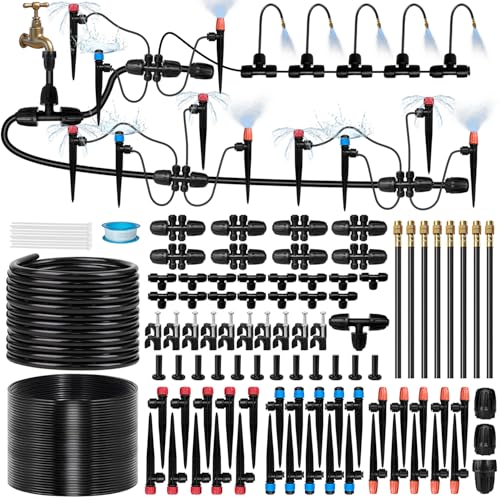
【Upgraded Tube Design & Water Saving】 Our garden watering system is upgraded to 1/2” diameter to support high water pressure. The 1/2” tee connector allows seamless splitting into 2 independent zones for customized watering schedules. By delivering moisture directly to root zones, this drip Irrigation system significantly reduces evaporation and runoff—saving more water compared to conventional sprinklers while eliminating the need for manual watering.
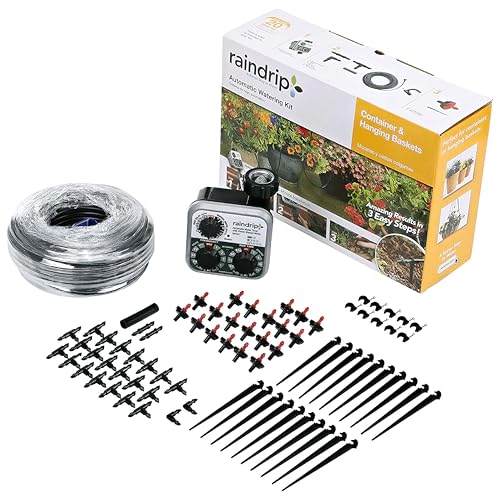
Save Time and Effort: This Raindrip drip irrigation kit includes everything you need to create a drip watering system for potted plants and precisely water up to twenty plants, saving time and effort while keeping your garden healthy

Hassle-free watering: The Automatic Plant Watering Kit makes plant care easy and convenient by automatically watering your plants at preset time intervals and amounts. This means you don't have to worry about manually watering your plants and can relax and enjoy your free time. A perfet designed for balconies, patios, small gardens without faucet and fixed power supply.
Essential Growing Conditions
- Sunlight: Raspberries thrive in full sunlight, so ensure they receive at least 6-8 hours of direct sunlight daily.
- Well-Drained Soil: Plant raspberries in well-drained soil with a pH level between 5.5 and 6.5 for optimal growth.
- Watering: Keep the soil consistently moist but not waterlogged to prevent root rot; consider installing a drip irrigation system for efficient watering.
- Spacing: Plant raspberry bushes 2-3 feet apart within rows and space rows about 8 feet apart to allow ample room for growth.
- Pruning: Regular pruning is essential for maintaining plant health and increasing fruit production; prune dead canes in late winter or early spring.
- Disease Control: Watch out for common raspberry diseases like anthracnose and powdery mildew; apply appropriate fungicides as preventive measures.
- Pest Management: Protect your raspberry plants from pests such as aphids, spider mites, and Japanese beetles by using insecticidal soap or neem oil.
- Bird Protection: Birds love raspberries too! Consider using bird netting to safeguard your harvest from feathered friends.
- Weed Competition: Mulch around raspberry plants to suppress weed growth and reduce competition for nutrients and water.
By following these guidelines on essential growing conditions and being aware of potential challenges, you can successfully cultivate delicious raspberries in your own garden while ensuring a bountiful harvest year after year.
Benefits of Growing Raspberries
Raspberries not only offer delightful flavors but also come with a range of benefits when you grow them in your garden. Let’s explore some of these advantages:
Recommended Products

🍯 Sweet, Golden Flavor: 3 Plants. Produces beautiful golden-yellow raspberries with a mild, honey-sweet taste and low acidity. Perfect for fresh eating, desserts, jams, and gourmet recipes.

Thornless & Easy to Harvest: Joan J is a nearly thornless raspberry variety, making picking fast, comfortable, and kid-friendly.

🍓 Sweet, Juicy Homegrown Raspberries: Enjoy delicious, sun-ripened berries straight from your garden. Perfect for fresh eating, baking, jams, and freezing.
Nutritional Benefits
Raspberries are packed with essential nutrients that can boost your overall health. They are rich in vitamin C, fiber, and antioxidants, which help strengthen your immune system and promote healthy digestion. Including raspberries in your diet can contribute to better skin health and may even aid in weight management due to their low calorie content.
Environmental Advantages
Growing raspberries can have positive environmental impacts as well. These plants require minimal water compared to other fruits, making them a sustainable choice for home gardening. Additionally, raspberries attract pollinators like bees, supporting biodiversity in your garden ecosystem. By cultivating raspberries, you’re not only benefiting yourself but also contributing to a greener environment around you.
Popular Uses and Recipes
If you’re wondering how to make the most of your raspberry harvest, here are some popular uses and recipes that can help you enjoy these delightful berries in various ways.
Culinary Uses
When it comes to culinary uses, raspberries are incredibly versatile. You can enjoy them fresh as a healthy snack, add them to salads for a burst of flavor, or use them in desserts like pies, tarts, and cakes. Raspberries also pair well with savory dishes such as roasted meats or grilled vegetables. Their sweet-tart flavor adds a unique twist to both sweet and savory recipes.
Homemade Raspberry Products
For those looking to get creative in the kitchen, making homemade raspberry products can be a fun and rewarding experience. Consider trying your hand at crafting raspberry jam or jelly using fresh raspberries, sugar, and pectin. You could also experiment with making raspberry sauce for drizzling over pancakes or ice cream. If you’re feeling more adventurous, why not attempt to create raspberry vinegar for dressing salads or marinades? The possibilities are endless when it comes to incorporating raspberries into homemade products that elevate your culinary creations.
Conclusion
You’ve now gained a deeper understanding of raspberries and their unique growth habits. Unlike fruits that grow on trees, raspberries thrive as low bushes in well-drained soil with ample sunlight. By following the essential tips for cultivation, you can enjoy a bountiful harvest rich in nutrients like vitamin C and antioxidants. Growing raspberries not only benefits your health but also contributes to environmental sustainability by conserving water and supporting biodiversity. With their versatility in culinary applications, from sweet desserts to savory dishes, raspberries offer endless possibilities for creative cooking ventures. Embrace the joy of growing and savoring these vibrant berries in your garden or kitchen!
Frequently Asked Questions
What are the ideal growing conditions for raspberries?
Raspberries thrive in well-drained soil with ample sunlight and benefit from regular pruning for optimal growth.
How do raspberries differ from tree-bearing fruits?
Unlike tree-bearing fruits, raspberries grow on low bushes, allowing for efficient nutrient absorption close to the ground.
What are the essential tips for cultivating raspberries successfully?
Key tips include providing adequate sunlight, maintaining good soil quality, proper watering, spacing plants appropriately, regular pruning, disease control, pest management, bird protection, and managing weed competition.
What are the nutritional benefits of growing raspberries?
Raspberries are rich in vitamin C, fiber, and antioxidants that promote health and aid in weight management.
Why are raspberries considered environmentally friendly to grow?
Growing raspberries requires minimal water usage, attracts pollinators supporting biodiversity making them a sustainable choice for home gardening.
