

Ever wondered what makes grapes thrive in some soils but struggle in others? Picture this: you’ve planted a vineyard with high hopes of juicy grapes, only to be met with disappointing yields. Could the key lie in the acidity of the soil? In this article, we explore the crucial relationship between grapes and acidic soil.
You might find yourself pondering why your grapevines aren’t flourishing as expected. Understanding whether grapes favor acidic soil could be the game-changer you’ve been searching for. By uncovering how soil acidity impacts grape growth, you’ll gain valuable insights into optimizing your vineyard’s conditions for a bountiful harvest.
Join us on a journey to demystify the connection between grapes and acidic soil, empowering you to cultivate thriving vines and savor the fruits of your labor. Let’s delve into this intriguing topic together and unlock the secrets to cultivating luscious grapes in your own backyard.
Key Takeaways
- Soil pH is crucial for grape cultivation, with an optimal range between 5.5 and 6.5 for nutrient uptake and healthy growth.
- White grapes thrive in slightly acidic soils rich in potassium and magnesium, while red grapes have a higher tolerance for variations in soil pH.
- Techniques like lime application, sulfur application, organic matter addition, and cover cropping can help adjust soil pH for optimal grape growth.
- Monitoring soil health through regular testing, observation of plant health, assessment of microbial activity, and root zone examination is essential for successful grape production.
- Successful vineyards demonstrate the importance of targeted strategies like amendments, fertilization, cover cropping to manage soil pH effectively.
- Adapting cultivation practices based on soil conditions can turn challenges related to pH levels into advantages, leading to high-quality grapes and improved yields.
Understanding Soil pH and Grape Cultivation
Soil pH is a measure of how acidic or alkaline the soil is. It plays a crucial role in determining the availability of nutrients to plants like grapes.
Recommended Products
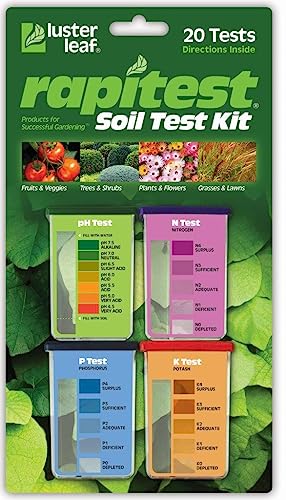
Quick, at home results for Soil pH, Nitrogen, Phosphorous and Potash Innovative and inexpensive soil test kit features an easy-to-use capsule system and patented color comparators

Kindly NOTE: This soil tester can not be applied to test pH value of any other liquid. If the soil is too dry the indicator will not move, and water it before testing.

KNOW BEFORE YOU GROW | Grow the healthiest, sustainable lawn and garden with the most accurate and easy to use professional soil test kit on the market
What Is Soil pH?
Soil pH refers to the level of acidity or alkalinity in the soil. It is measured on a scale from 0 to 14, where 7 is neutral. Values below 7 indicate acidic soil, while values above 7 indicate alkaline soil.
How Does Soil pH Affect Plant Growth?
Soil pH directly influences the availability of essential nutrients to plants. For grapes, an optimal soil pH level between 5.5 and 6.5 is ideal for nutrient uptake and healthy growth. In acidic soils, certain nutrients like calcium, magnesium, and phosphorus may become less available to grapevines, affecting their overall health and productivity.
Ensure you test your soil’s pH levels before planting grapevines to make any necessary adjustments for optimal growth conditions.
Soil Preferences for Different Grape Varieties
When considering grape cultivation, it’s essential to understand the distinct soil preferences of different grape varieties. Tailoring your soil conditions to meet the specific needs of white and red grapes can significantly impact the health and yield of your vineyard.
Recommended Products

Accurate Soil pH Testing: Dewildetradingco Soil pH Test Strips offer measurements of soil pH levels (pH 3.5-9). As an essential tool for every gardener and grower, these test strips help determine the optimal pH for various plants, such as outdoor plants, indoor plants, gardens, grass lawns, fruit trees, flowers, vegetables, and forest shrubs.

Comprehensive Soil Analysis: Liquid soil test kits offer a comprehensive analysis of essential soil parameters, including pH, ammonia, nitrogen, phosphorus, and potassium. Having all these measurements in one kit provides a holistic understanding of the soil's fertility and health.

150 STRIPS SOIL pH TESTS STRIPS : This Soil pH test kit contains 150counts test strips (3–9 Range)
Vineyard Soil Requirements for White Grapes
White grape varieties thrive in well-draining soils with slightly acidic pH levels ranging between 5.5 and 6.5. These grapes prefer soils that are rich in nutrients such as potassium and magnesium while being low in organic matter content. Optimal soil conditions for white grapes promote balanced growth and enhance the flavors of the resulting wines.
Vineyard Soil Requirements for Red Grapes
On the other hand, red grape varieties have their own set of soil preferences. They tend to perform best in slightly acidic soils with pH levels similar to those preferred by white grapes. However, red grapes have a higher tolerance for variations in soil pH, allowing them to adapt to a broader range of acidic conditions.
By tailoring your soil management practices to meet the specific requirements of white and red grape varieties, you can create optimal growing conditions that support healthy vine growth and maximize the quality of your harvests.
Managing Soil pH for Optimal Grape Growth
To ensure your grapevines thrive, it’s essential to manage the soil pH effectively. Here are some key strategies to help you maintain optimal conditions for grape growth:
Recommended Products

Quick, at home results for Soil pH, Nitrogen, Phosphrous and Potash

✅ 1Dial & 1 LCD Screen - Replace/install all 3 batteries each time. Put button to %RH/°F to - Turn On, and put to LIGHT to - Turn Off. Read the LCD results in 3-5 mins. (Not Water Moisture Meter, so, please don't test liquid)

2-in-1 Soil Moisture Meter & Soil pH Meter: Designed for beginners, upgraded testing structure, a creative Dual-Dial design, can meet your different needs. Simply unbox and use. This soil meter takes the guesswork out of taking care of your plants and elevates your planting experience to the next level. Helps you to plant lush and healthy house plants.
Techniques for Adjusting Soil pH
When it comes to adjusting soil pH for grape cultivation, there are several techniques you can employ:
- Lime Application: Adding agricultural lime can help raise soil pH levels if they are too acidic. This is particularly useful if your soil falls below the recommended range of 5.5 to 6.5 for grape cultivation.
- Sulfur Application: Conversely, applying elemental sulfur can lower soil pH levels that are too high. It’s crucial to monitor the pH regularly and adjust as needed to keep it within the ideal range.
- Organic Matter Addition: Incorporating organic matter like compost or manure can help buffer pH fluctuations and improve overall soil health, creating a more hospitable environment for your grapevines.
- Cover Cropping: Utilizing cover crops with specific root structures can also impact soil pH by influencing nutrient availability and microbial activity in the soil, ultimately benefiting grape growth.
By implementing these techniques judiciously based on your soil’s specific needs, you can effectively manage and adjust its pH to create optimal conditions for growing healthy grapes.
Monitoring Soil Health in Grape Production
Monitoring soil health is crucial for successful grape production. Here’s how you can ensure your soils remain conducive to robust vine growth:
- Regular Soil Testing: Conduct routine soil tests before planting and throughout the growing season to monitor changes in pH levels and nutrient availability. This data will inform any necessary adjustments to maintain an ideal environment for grape cultivation.
- Observation of Plant Health: Keep a close eye on your grapevines’ overall health and vigor as indicators of potential underlying soil issues. Stressed or underperforming vines may signal imbalanced pH levels or nutrient deficiencies that require attention.
- Microbial Activity Assessment: Understanding the microbial life in your soil is vital, as certain microbes play key roles in regulating pH and nutrient cycling processes essential for healthy grapevine development.
- Root Zone Examination: Examining the root systems of your grapevines can provide insights into how well they are adapting to their environment, including whether they have access to sufficient nutrients at appropriate pH levels.
By actively monitoring your soil health using these approaches, you’ll be better equipped to address any issues promptly and foster optimal conditions for robust grape growth on your vineyard.
Case Studies: Successful Vineyards and Soil Management
In the world of grape cultivation, managing soil pH is crucial for a successful harvest. Let’s explore two case studies that demonstrate effective vineyard practices in dealing with soil acidity.
Example of a Vineyard Thriving in Acidic Soil
Imagine a picturesque vineyard nestled on rolling hills with vines laden with plump grapes despite being in naturally acidic soil. This success story showcases how proper soil management techniques can overcome challenges related to pH levels.
The vineyard achieved thriving grape growth by implementing targeted strategies such as:
- Amendments: Adding agricultural lime to raise pH levels gradually.
- Fertilization: Using organic compost rich in nutrients to support plant health.
- Cover Cropping: Planting specific cover crops that help balance soil acidity.
By carefully monitoring the soil conditions and adapting cultivation practices accordingly, this vineyard turned what could have been a limitation into an advantage, producing high-quality grapes year after year.
Example of a Vineyard Modifying Soil pH
In another scenario, a vineyard faced issues with excessively alkaline soil affecting grape development. Through diligent efforts to modify the pH levels, this vineyard successfully transformed its growing environment.
Key actions taken included:
- Sulfur Application: Introducing elemental sulfur to lower the pH and create more favorable conditions.
- Soil Testing: Regularly conducting tests to track changes and adjust interventions as needed.
- Root Zone Analysis: Examining root health to ensure plants were receiving essential nutrients at optimal pH levels.
This proactive approach not only rectified the initial problem but also enhanced overall plant vitality and fruit quality. The vineyard’s commitment to precise soil management paid off, leading to improved yields and robust grape flavors.
These case studies exemplify how strategic soil management tailored to specific pH requirements can elevate grape cultivation outcomes significantly. By learning from these examples, you too can optimize your vineyard’s soil health for bountiful harvests of delicious grapes.
Conclusion
Understanding the acidity levels of soil is crucial for successful grape cultivation. By maintaining pH between 5.5 and 6.5, you can provide an optimal environment for your grapevines to thrive. Different grape varieties have specific soil preferences that should be taken into account when planning your vineyard. Learning from successful case studies, such as using lime, compost, or sulfur applications, shows the importance of tailored soil management practices in achieving higher yields and better grape quality. Remember, a balanced pH level not only benefits your grapes but also contributes to the overall success of your vineyard.
Frequently Asked Questions
1. Why is soil pH important for grape cultivation?
Maintaining soil pH between 5.5 and 6.5 is crucial for optimal grape growth as it affects nutrient availability and root health, influencing vine vigor and fruit quality.
2. What are the specific soil preferences for white and red grape varieties?
White grapes thrive in slightly acidic soils with good drainage, while red varieties prefer well-drained soils with slightly higher pH levels.
3. How can vineyards manage soil pH effectively?
Vineyards can balance soil pH by using lime, organic compost, cover cropping for acidic soils, or sulfur application and root zone analysis for alkaline soils.
4. Can you provide examples of successful vineyards managing soil pH?
One vineyard used lime, organic compost, and cover cropping to balance naturally acidic soil successfully. Another overcame alkaline soil issues through sulfur application and root zone analysis, leading to improved yields and grape quality.
