

Have you ever wondered if those tiny, meticulously shaped bonsai trees can actually produce fruit? You’re not alone. Many bonsai enthusiasts are curious about whether their beloved miniature trees can bear the same rewards as their larger counterparts.
Key Takeaways
- Bonsai Fruit Production: Bonsai trees can produce fruit, with certain species like Ficus, Apple, and Citrus being more prolific under optimal conditions.
- Key Care Practices: Regular pruning, balanced fertilization, and consistent watering are essential to enhance fruit production in bonsai trees.
- Environmental Requirements: Bonsai trees need at least six hours of sunlight daily, along with moderate temperatures and humidity, to thrive and produce fruit.
- Pollination Needs: Certain bonsai varieties may require hand pollination for fruit set, especially those with male and female flowers.
- Selection of Species: Choosing the right bonsai species is crucial; some varieties naturally bear fruit, while others do not, impacting your fruit-bearing success.
Do Bonsai Trees Produce Fruit?
Yes, bonsai trees can produce fruit. The miniature versions of fruit-bearing trees can yield small fruits under the right conditions. The key factors that influence fruit production include the tree species, care practices, and environmental conditions.
Recommended Products

Precise Manual Pollination: This vegetable pollinator tool provides controlled hand pollination that enhances fruit and vegetable pollination efficiency, helping to increase crop yields by reliance on unpredictable natural pollinators

🌿 All-in-One Bonsai Starter Kit: Designed for beginners and enthusiasts, this comprehensive 20-piece set includes essential bonsai tools: 1 bonsai shears, 1 long-handle scissors, leaf trimmers, a succulent kit, training wires, and a storage case. It provides everything needed to loosen soil, prune branches, and shape your indoor plants without purchasing extra tools

【An Essential Bonsai Kit】The Bonsai Trees Kit includes 1x Portable Gardening Mat(29.5"x29.5"), 4x Bonsai Wire with Cutter(Total 262 Feet), 1 x Big Bonsai Scissors, 1x Straight Scissors, 1x Pruning Shears, 2x Leaf Cutters, 1x Mini Wide Shovel, 1x Mini Shovel, 1x Mini Rake, 1x Brush, 4x Tweezers, 1x Bucket Shovel, 1x Organizer Bag. Owning this perfect bonsai tree kit is the beginning of your bonsai journey. Ideal gifts for women and men.
Tree Species
Certain species of bonsai trees are known for their fruit-bearing capabilities. Some popular examples include:
- Ficus: Often produces small figs.
- Apple (Malus domestica): Can yield tiny apples when cared for correctly.
- Citrus: Varieties like lemon or kumquat often bear fruits.
Care Practices
Proper care enhances the likelihood of fruit production. Consider the following tips:
- Pruning: Regular pruning helps maintain tree health and encourages fruit development.
- Fertilization: Use a balanced fertilizer during the growing season to support fruit growth.
- Watering: Consistent watering prevents stress and promotes fruiting.
Environmental Conditions
The right environment is crucial for bonsai fruit production. Ensure you provide:
- Sunlight: Most fruiting bonsai need a minimum of six hours of sunlight daily.
- Temperature: Keep trees in a moderate temperature range, avoiding extreme fluctuations.
Pollination
Bonsai trees may require pollination for fruit set, especially those with separate male and female flowers. Hand pollination can help if natural pollinators aren’t available. Use a small brush or cotton swab to transfer pollen between flowers.
- Do all bonsai trees produce fruit? Not all species do; it depends on the type of tree.
- How big is the fruit on bonsai trees? Fruits are generally smaller than those on standard trees.
- Can you eat the fruit? Yes, fruits from species like apple or citrus are edible if grown properly.
Bonsai trees can indeed produce fruit, adding to their unique charm and beauty.
Understanding Bonsai Trees
Bonsai trees are miniature versions of full-sized trees, cultivated in containers. They combine art and horticulture, creating unique, living sculptures.
Definition of Bonsai
Bonsai, from the Japanese term meaning “planted in a container,” represents an ancient practice that emphasizes aesthetics and natural beauty. These trees grow in size as your care and skill develop. The goal isn’t just to grow a small tree but to capture the essence of nature within a limited space. Bonsai trees can display intricate shapes while mimicking full-sized trees in their natural habitats.
Types of Bonsai Trees
Numerous species lend themselves to bonsai cultivation. Each type has its unique characteristics and requirements. Here are some popular ones:
- Ficus: Known for its resilience and adaptability, Ficus varieties often produce small, edible fruits. They’re ideal for beginners.
- Juniper: These conifers are favored for their beautiful foliage and stunning shapes. Junipers are commonly styled as evergreen bonsai.
- Maple: Maple bonsai trees display vibrant leaf colors in autumn, making them visually captivating. Varieties like Japanese Maple are popular choices.
- Citrus: Citrus bonsai, such as lemon or lime, can bear fruit. Their sweet aroma and small, edible fruits enhance your bonsai experience.
- Apple: Dwarf apple trees thrive as bonsai and produce actual fruit, appealing to both collectors and gardeners.
Each species presents its own challenges regarding growth and care. Choose a type that suits your environment and skill level for the best results.
Fruit-Bearing Bonsai Varieties
Bonsai trees can indeed bear fruit, adding a unique aspect to your miniature garden. Certain species excel in fruit production, providing beauty and edible rewards.
Recommended Products

BEGINNER-FRIENDLY & EASY TO GROW – Perfect for first-time bonsai growers, simple planting and care instructions

LEMON BONSAI TREE SEEDS: Citrus seeds have approx 50% germination rate and we recommend planting them immediately after receiving, or store them in a fridge until you plant them.

1. Peel the fruit directly and remove the seeds.
Common Fruit-Bearing Bonsai Trees
- Ficus
Ficus species, like Ficus retusa, produce small, edible fruits. Their adaptability makes them popular for beginners. - Citrus
Dwarf varieties such as Kumquat and Calamondin thrive in bonsai form. They produce vibrant fruits and fragrant flowers. - Apple (Malus)
Dwarf apple trees can yield miniature apples. Their flowers bloom beautifully, making them a dual-purpose bonsai. - Cherry (Prunus)
Some cherry varieties produce small, tart fruits. Their spring blooms enhance aesthetic appeal while offering fruit. - Olive (Olea europaea)
Olive trees can also be trained as bonsai. Their small fruits can be harvested when ripe, adding culinary value.
Care Requirements for Fruit Production
To encourage fruit production in bonsai trees, focus on these care requirements:
- Sunlight
Ensure your bonsai receives at least 6 hours of sunlight daily. A bright spot improves flowering and fruit set. - Watering
Water regularly but avoid waterlogging. Soil should stay moist but not soaked for optimal growth. - Fertilization
Use a balanced fertilizer every four to six weeks during the growing season. This promotes healthy leaf and fruit development. - Pruning
Prune to shape the tree and remove excess growth. This not only maintains aesthetics but also directs energy to fruit-bearing parts. - Pollination
Some bonsai may need pollination for fruit set. You can use a soft brush to transfer pollen between flowers.
By adhering to these care practices, you enhance the chances of enjoying fruit from your bonsai trees.
Factors Influencing Fruit Production
Bonsai trees can produce fruit, but several factors influence this process significantly. Understanding these factors can help you nurture your bonsai effectively.
Recommended Products

What You Got: The package cludes 2 pcs of bonsai humidity trays, you can use them to put bonsai tree, cactus, succulents, stone and thermal boxes for tropical plantsand.
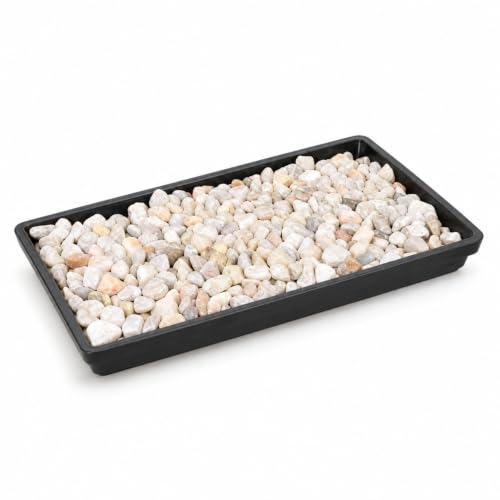
Humidity Control: Enhances bonsai growing environment by increasing humidity around the tree, promoting healthier growth
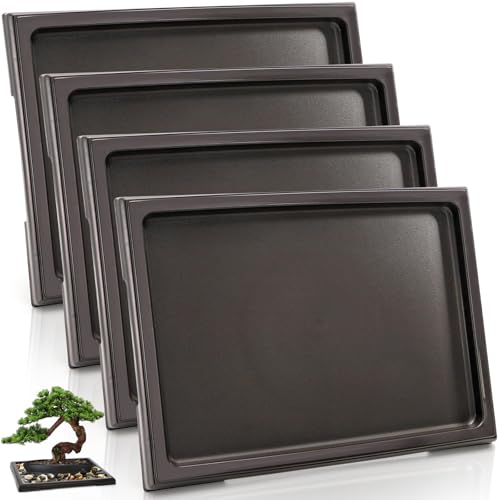
The package includes 4 pcs of bonsai humidity trays, you can use them to put bonsai tree, succulents, cactus and more. Size: 11.5" L x 8.5" W x 0.7"H.
Environmental Conditions
Environmental conditions play a crucial role in fruit production for bonsai trees. Ensure your tree receives adequate sunlight—most fruit-bearing bonsai species thrive in bright, indirect light. A minimum of six hours of sunlight per day is ideal.
Humidity levels also affect fruiting. Many species prefer a humid environment, which can be achieved through misting or placing a humidity tray beneath the pot. Additionally, temperature influences the health and productivity of your bonsai. Most fruiting varieties enjoy moderate temperatures between 65°F and 75°F during the day.
Soil quality affects nutrient availability and drainage. Use well-draining soil rich in organic matter to support healthy growth. Regularly check the soil moisture; it should stay slightly moist but not soggy.
Pruning and Training Techniques
Pruning and training methods are essential for encouraging fruit production in bonsai trees. Regular pruning helps manage growth and directs the tree’s energy toward fruit development. Focus on trimming back excessive foliage to improve sunlight penetration and air circulation.
During the growing season, pinch back new growth to promote branching, which can lead to more flowering sites. Remove any dead or diseased branches promptly to keep the tree healthy and vigorous.
Training techniques like wiring allow you to shape your bonsai effectively. Use lightweight, soft wire to gently bend branches into desired positions. Proper training increases light exposure, helping the plant focus on developing flowers and fruit.
For optimal results, consider the timing of your pruning. Late winter or early spring, prior to new growth, is the best time to prune your bonsai tree. This method encourages robust flowering and subsequent fruit production.
By paying attention to environmental conditions and employing proper pruning and training techniques, you’ll enhance your bonsai’s chances of producing fruitful rewards.
Conclusion
Bonsai trees can be a delightful addition to your garden not just for their beauty but also for the possibility of fruit. With the right care and conditions you can enjoy the fruits of your labor both literally and figuratively.
By choosing the right species and providing adequate sunlight water and nutrients you can encourage your bonsai to bear fruit. Remember to keep an eye on pollination needs and be patient as your miniature tree matures.
So whether you’re drawn to the artistry of bonsai or the thrill of harvesting your own fruit you’re sure to find joy in nurturing these unique plants. Happy bonsai gardening!
Frequently Asked Questions
Can bonsai trees produce fruit like regular trees?
Yes, bonsai trees can produce fruit like their larger counterparts. With proper care, specific species can yield edible fruits under suitable conditions.
Which bonsai species are known for bearing fruit?
Popular bonsai species that bear fruit include Ficus, citrus (like Kumquat and Calamondin), Dwarf Apple, Cherry, and Olive trees.
What are the essential care requirements for fruit-bearing bonsai?
Essential care includes providing adequate sunlight, proper watering, balanced fertilization, regular pruning, and maintaining moderate temperatures.
Do bonsai trees need pollination to produce fruit?
Yes, some bonsai trees require pollination for fruit set. Using a soft brush to transfer pollen can enhance fruit production.
What type of soil is best for bonsai fruit production?
Well-draining soil rich in organic matter is ideal for fruit-bearing bonsai to promote healthy growth and fruit production.
How does pruning affect fruit production in bonsai?
Regular pruning directs energy toward fruit development and helps manage growth, enhancing the chances of fruit-bearing in bonsai trees.
What environmental conditions are ideal for fruit-bearing bonsai?
Most fruit-bearing bonsai thrive in bright, indirect light with temperatures between 65°F and 75°F, plus adequate humidity.
When is the best time to prune bonsai trees for fruiting?
Late winter or early spring is the optimal time for pruning to encourage robust flowering and fruit development in bonsai trees.
