

Have you ever wondered if every olive tree produces fruit? If you’ve got one in your backyard or are just curious about these beautiful trees, you’re not alone. Many people are surprised to learn that not all olive trees are created equal when it comes to bearing fruit.
Key Takeaways
- Not all olive trees bear fruit; some varieties are cultivated for ornamental purposes rather than for their olives.
- Fruit-producing varieties such as Manzanilla and Arbequina yield substantial harvests, while types like ‘Wilsonii’ focus mainly on aesthetic value.
- Olive trees typically start producing fruit between 3-5 years of age, depending on variety and environmental conditions.
- Factors like tree variety, pollination needs, climate, and soil quality significantly influence the fruit production of olive trees.
- Proper care—including regular pruning, adequate fertilization, and appropriate watering—enhances the likelihood of successful olive harvests.
- Sunlight exposure (at least 6 hours daily) and well-draining soil are essential for optimal growth and fruit yield in olive trees.
Overview of Olive Trees
Olive trees (Olea europaea) are iconic plants primarily known for their fruit, olives. These trees thrive in warm climates, particularly in Mediterranean regions, where they flourish under sunny conditions and well-drained soil. Understanding olive trees requires recognizing their growth patterns and environmental needs.
Types of Olive Trees
- Fruit-bearing types: These include varieties like Manzanilla and Arbequina, which produce abundant olives for oil and table use. These trees have distinct characteristics tailored for olive production.
- Non-fruit-bearing types: Some ornamental varieties, such as the ‘Wilsonii,’ focus on aesthetic value rather than fruit production. These trees provide visual appeal with their unique foliage.
Growth Stages
- Seedling stage: Young olive trees start from seeds or cuttings. In about 2-3 years, they reach maturity ready for blooming.
- Maturity: Adult trees typically begin producing fruit between 3-5 years old, depending on the variety and growing conditions. It’s vital to ensure they receive proper care during this time.
Factors Affecting Fruit Production
- Variety: Different species impact fruit-bearing ability. Choosing the right variety for your region supports successful growth.
- Pollination: Some olive trees require cross-pollination. Planting multiple compatible varieties can enhance fruit yield.
- Care: Regular watering, pruning, and fertilization help optimize health and productivity. Neglecting these needs may hinder fruit development.
- Sunlight: Olive trees thrive in full sun, needing at least 6 hours daily for optimal growth.
- Soil: Well-draining soil promotes healthy roots and prevents disease. Sandy or loamy soils work best.
Olive trees add charm and value to gardens while providing delicious fruit. Understanding the specifics of growth, types, and care ensures successful cultivation and fruitful harvests.
Factors Affecting Fruit Production
Several key factors influence the fruit production of olive trees. Understanding these elements can enhance your chances of successfully harvesting olives.
Recommended Products
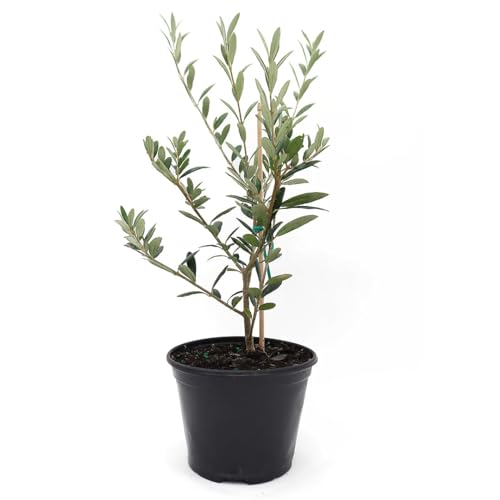
TIMELESS ELEGANCE: The Olive Tree is a symbol of timeless elegance and grace. With its slender, silvery leaves and twisting branches, this tree adds a touch of Mediterranean charm to any home. Embrace the beauty of ancient civilizations as you bring the allure of olive groves to your own garden or home.

The Olive Arbequinal plant produces an abundant harvest of flavorful olives, perfect for curing or pressing into high-quality olive oil.

Gourmet Home Gardening: Cultivate a taste of the Mediterranean in your own backyard with the Arbequina Olive Tree. This exquisite variety is renowned for its high-quality olives, suitable for homemade olive oil and culinary creations. Elevate your cooking experience with the authentic flavors of freshly harvested olives, right from your garden
Tree Variety
Different varieties of olive trees have distinct fruit-bearing capabilities. Some trees, like Manzanilla and Arbequina, are specifically bred for high yields of olives. Other varieties, such as the ornamental ‘Wilsonii,’ may not produce any fruit at all. Selecting the right tree variety based on your goals is crucial for ensuring fruit production. Before planting, check the variety’s characteristics to determine its suitability for your landscape and fruiting needs.
Climate and Soil Conditions
Climate and soil conditions play a significant role in olive fruit production. Olive trees thrive in warm, Mediterranean climates with full sun exposure. Ideal temperatures range from 60°F to 80°F. Additionally, soil quality is critical; well-draining, sandy, or loamy soil supports healthy root systems. Conduct soil tests to assess pH and nutrient levels, ensuring they are suitable for olive trees. If your local conditions are less than ideal, consider amending the soil or creating microclimates with protective structures to optimize growth.
By considering tree variety and ensuring appropriate climate and soil conditions, you can significantly improve the odds of your olive trees bearing fruit.
Common Misconceptions
Misunderstandings about olive trees often arise regarding their fruit-bearing capabilities. Recognizing these misconceptions helps clarify the reality of olive tree cultivation.
Do All Olive Trees Bear Fruit?
Not all olive trees produce fruit. Some varieties grow solely for their ornamental features. For example, the ornamental ‘Wilsonii’ provides beautiful foliage but lacks fruit production. Conversely, varieties like Manzanilla and Arbequina thrive as fruit-bearing trees. Knowing your tree type helps set realistic expectations for fruit production.
The Role of Male and Female Trees
Both male and female olive trees play a critical role in fruit production. Most olive trees are self-pollinating, but having both sexes increases yield. Male trees contribute pollen that fertilizes female flowers, enhancing fruit set. Selecting a mixture of both types can lead to better harvests.
Olive Tree Care for Fruit Bearing
Caring for olive trees properly enhances their chances of bearing fruit. Follow these guidelines to ensure your olive trees thrive and produce olives.
Recommended Products

CLEAN CUTS FOR LIVE GROWTH: Bypass blade design is ideal for pruning delicate flower stems and green growth, helping reduce crushing and plant damage while cutting stems and small branches up to 5/8” in diameter

LONG-LASTING SHARPNESS: Japanese SK5 bypass blade with titanium coating is tested through 5,000 cuts to maintain a sharp edge and deliver clean, consistent cuts on live stems and branches

DUAL CUTTING POWER: VERSATILE PRUNING COMBO --- With both Pruning Shears and Pruning Snip, this combo delivers unmatched versatility. Whether you're delicately trimming flowers and shrubs, tackling thicker tree branches, or tending to your vegetable and fruit garden, our combo pack excels in all areas. They're also perfect for landscaping projects and maintaining the health and appearance of indoor plants. With this pack, you have a versatile tool that simplifies your gardening tasks.
Pruning Techniques
Pruning your olive tree encourages healthier growth and better fruit production.
- Timing: Prune in late winter or early spring before new growth begins.
- Method: Use sharp, clean tools to remove dead or unhealthy branches.
- Shape: Focus on creating an open center. This allows sunlight to reach all parts of the tree.
- Height: Keep the tree manageable by removing shoots that exceed your desired height.
- Frequency: Aim for light pruning annually. Heavy pruning is suitable every few years to rejuvenate older trees.
Fertilization and Watering
Providing the right nutrients and moisture is key to growing fruitful olive trees.
- Fertilizer Choice: Use a balanced fertilizer specifically formulated for fruit trees. Look for one with an N-P-K ratio of 8-8-8 or 10-10-10.
- Application Timing: Fertilize in early spring, ideally just before the growing season starts.
- Amount: Follow the package instructions to avoid over-fertilization. Generally, use about 1 pound of fertilizer for each inch of trunk diameter.
- Watering Frequency: Water deeply but infrequently. Aim for once a week during dry spells, ensuring the soil dries out between waterings.
- Soil Check: Test the soil moisture. If the top inch of soil feels dry, it’s time to water.
Following these care practices significantly increases the chances of your olive trees bearing fruit, resulting in healthy trees and bountiful harvests.
Conclusion
Not every olive tree is destined to bear fruit and that’s perfectly okay. By choosing the right variety and providing the right care you can enjoy thriving trees whether for their olives or their beauty. Understanding the specific needs of your olive tree will help you create the best environment for it to flourish.
So whether you’re looking to cultivate a fruitful garden or simply appreciate the elegance of olive trees remember that each one has its unique charm. With a little knowledge and care you can make the most of your olive tree experience.
Frequently Asked Questions
Do all olive trees produce fruit?
Not all olive trees produce fruit. Some varieties, like the ornamental ‘Wilsonii,’ are grown for their aesthetics rather than for fruit. Fruit-bearing trees, such as Manzanilla and Arbequina, are specifically cultivated for their olives.
What conditions do olive trees need to thrive?
Olive trees thrive in warm, sunny climates, particularly in Mediterranean regions. They require well-draining soil, proper sunlight, and adequate water to flourish and produce fruit.
How long does it take for an olive tree to bear fruit?
Olive trees typically start producing fruit between 3 to 5 years after planting, depending on the variety and the care they receive.
What factors affect olive tree fruit production?
Factors influencing fruit production include tree variety, cross-pollination needs, watering, pruning, and fertilization. Optimal sunlight and soil conditions are also crucial for fruitful harvests.
How can I improve olive tree fruit yield?
To enhance fruit yield, select the right tree variety, perform light annual pruning, provide balanced fertilizers, and ensure deep but infrequent watering. This promotes healthy growth and better fruiting.
