

Have you ever wondered if you can grow delicious blackberries right in your own backyard from seeds? Picture this: You’re enjoying a warm summer day, plucking fresh blackberries off the vine to savor their sweet juiciness. But the thought crosses your mind – can you actually start these fruitful plants from seeds?
In this article, we’ll explore the exciting world of growing blackberries from seeds. Discovering how to nurture these plants from tiny seeds to bountiful bushes can be a rewarding journey for any gardening enthusiast. Whether you’re a seasoned gardener looking to expand your fruit-growing repertoire or a beginner eager to try your hand at cultivating these delectable berries, this guide will provide you with valuable insights and practical tips on successfully growing blackberries from seeds.
Key Takeaways
- Growing blackberries from seeds is possible but requires patience and attention to detail.
- Factors such as temperature, moisture levels, soil quality, and light exposure play a crucial role in seed germination.
- Choosing high-quality seeds, preparing them properly, and providing optimal conditions are key steps in successful blackberry cultivation.
- Pest management, disease control, climate conditions, and soil requirements are common challenges when growing blackberries from seeds.
- Benefits of growing blackberries from seeds include genetic diversity, cost-effectiveness, learning experience, potential for new varieties, and personal satisfaction.
Understanding Blackberry Propagation
When it comes to blackberry propagation, there are two main methods to consider: from seeds and from cuttings. Each method has its own advantages and considerations that can impact the success of your blackberry growing journey.
From Seeds Vs. Cuttings
Starting blackberries from seeds is a more challenging process compared to using cuttings. While it’s possible to grow blackberries from seeds, keep in mind that this method requires patience and attention to detail as the germination rates may vary.
On the other hand, propagating blackberries from cuttings offers a more reliable and quicker way to establish new plants. By selecting healthy stems and following proper techniques for rooting cuttings, you can increase your chances of success with this method.
Factors Impacting Seed Germination
Several factors play a crucial role in the successful germination of blackberry seeds. Factors such as temperature, moisture levels, soil quality, and light exposure all contribute to the seed’s ability to sprout and grow into a healthy plant.
To improve seed germination rates, ensure that you provide consistent moisture levels without overwatering the seeds. Additionally, maintaining an optimal temperature range suitable for blackberry seed germination can significantly enhance your chances of success.
By understanding these key factors influencing seed germination, you’ll be better equipped to nurture your blackberry seeds into thriving plants in your garden.
Step-by-Step Guide to Growing Blackberries From Seeds
Embarking on growing blackberries from seeds can be a rewarding endeavor. Follow this step-by-step guide to nurture your blackberry seeds into flourishing plants.
Choosing the Right Blackberry Seeds
When selecting blackberry seeds, opt for fresh, high-quality seeds from a reputable source. Look for varieties that thrive in your climate and soil conditions. Ensure the seeds are viable by checking for plumpness and avoiding any signs of damage or mold.
Preparing the Seeds for Planting
To enhance germination rates, consider scarifying the blackberry seeds by gently nicking or scratching the seed coat. Soak the seeds in water overnight to soften the outer shell. This process helps speed up germination and allows moisture to penetrate the seed more easily.
Planting and Caring for Seedlings
Plant your prepared blackberry seeds in well-draining soil with good organic matter. Keep the soil consistently moist but not waterlogged during germination. Place the seed tray in a warm location with indirect sunlight.
Once seedlings emerge, ensure they receive adequate sunlight for healthy growth. Gradually acclimate them to direct sunlight if they were initially grown indoors. Water regularly, ensuring the soil remains damp but not soggy.
Common Challenges in Growing Blackberries from Seeds
When growing blackberries from seeds, you may encounter some common challenges that could affect the success of your cultivation.
Recommended Products

NUTRIENT-RICH, NATURAL, AND ORGANIC SOIL: Grow a bountiful garden in your home with the Back to the Roots All-Purpose Natural and Organic Peat-Free 3-in-1 Seed Starting Mix, packed with the nutrients needed for your plants, flowers, and vegetables to thrive

VERSATILE SEED STARTING: Ideal for germinating seeds in flats, pots, and plug trays. This seed starter mix supports healthy root development for vegetables, herbs, and flowers.
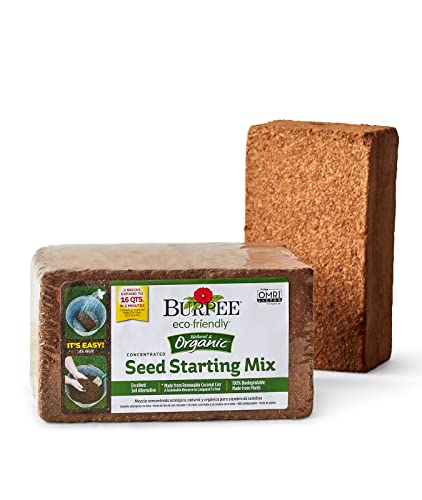
ORGANIC COCONUT COIR: Made from recycled coconut husks, coir is a light, sustainable growing medium that holds the perfect amount of moisture for starting seeds. 100% biodegradable soil alternative. Environmentally-friendly and a renewable alternative to peat moss. OMRI listed and certified organic.
Pest and Disease Management
To ensure the healthy growth of blackberry plants from seeds, it’s essential to be vigilant about pest and disease management. Common pests that can affect blackberries include spider mites, aphids, and raspberry beetles. These pests can damage the leaves and fruits of blackberry plants. Implementing regular inspections of your plants and using organic pest control methods like neem oil can help prevent infestations. Additionally, diseases such as powdery mildew and cane blight can impact blackberries. Proper air circulation around plants, avoiding overhead watering, and pruning infected parts are crucial strategies for disease management.
Climate and Soil Requirements
Blackberries thrive in specific climate conditions and soil types. They prefer well-drained soil with a pH level between 5.5 to 7.0. Ensure that the planting location receives full sun exposure for optimal growth. In terms of climate, blackberries generally require a cold period to break dormancy—a process known as vernalization—before they start actively growing in spring. If you live in a region with mild winters, you might need to artificially simulate this cold period by refrigerating the seeds before planting them out.
By addressing these challenges related to pest management, diseases, climate conditions, and soil requirements when growing blackberries from seeds, you increase your chances of successfully cultivating healthy blackberry plants in your garden.
Benefits of Growing Blackberries from Seeds
When considering the benefits of growing blackberries from seeds, it’s essential to understand the advantages this method offers compared to using cuttings for propagation.
1. Genetic Diversity:
By growing blackberries from seeds, you allow for genetic variation in your plants. This diversity can result in stronger, more adaptable blackberry bushes that may exhibit unique characteristics not present in parent plants.
2. Cost-Effective Option:
Starting blackberry plants from seeds is often a more cost-effective approach than purchasing established plants or cuttings. It allows you to grow multiple plants from a single packet of seeds, saving you money in the long run.
3. Learning Experience:
Growing blackberries from seeds can be a rewarding learning experience. It provides insight into the plant’s lifecycle and allows you to witness the growth process firsthand, enhancing your gardening skills and knowledge.
4. Potential for New Varieties:
When you grow blackberries from seeds, there’s always the exciting possibility of discovering new varieties with unique flavors, sizes, or resistance to pests and diseases. This experimentation can lead to the development of improved cultivars.
5. Personal Satisfaction:
The sense of accomplishment that comes from successfully nurturing a blackberry plant from seed to maturity is unparalleled. You’ll feel a deep connection to your garden and enjoy the fruits of your labor—literally—with delicious homegrown blackberries.
Embracing the process of growing blackberries from seeds opens up a world of possibilities and rewards that go beyond just having fresh berries in your backyard.
Conclusion
Growing blackberries from seeds can be a rewarding and fulfilling experience. By embracing seed propagation, you have the opportunity to witness the magic of nature firsthand. From genetic diversity to cost savings, each seed you plant holds the promise of a unique blackberry plant that you nurtured from the very beginning. So go ahead, try your hand at growing blackberries from seeds and enjoy the journey of watching your plants thrive and bear delicious fruits in your own backyard. Happy gardening!
Frequently Asked Questions
How can I grow blackberries from seeds successfully?
To grow blackberries from seeds, ensure a consistent temperature around 70-75°F, maintain soil moisture without overwatering, use well-draining soil rich in organic matter, expose seeds to indirect sunlight, and be patient as germination may take several weeks.
What challenges should I expect when growing blackberries from seeds?
Challenges include managing pests like birds and rodents, diseases such as powdery mildew or root rot, adapting to varying climates depending on the blackberry variety chosen, and meeting specific soil pH requirements for optimal growth.
What are the benefits of growing blackberries from seeds?
Benefits include greater genetic diversity leading to potentially stronger plants, cost-effectiveness compared to buying plants outright, valuable learning experiences in plant propagation and cultivation techniques, potential for developing new blackberry varieties tailored to your preferences.
