
Close Menu
    Fruit Tree Hub
    • Home
    • Apple Trees
    • Lemon Trees
    • Mango Trees
    • Orange Trees
    • More Trees
      • Best Fruit Trees
      • Apricot Trees
      • Cherry Trees
      • Fig Trees
      • Lime Trees
      • Mulberry Trees
      • Peach Trees
      • Pear Trees
      • Plum Trees
      • Pomegranate Trees
    • Tips and Advice
      • Tools
    • About Us
      • Contact
      • Privacy Policy
    Fruit Tree Hub
    Home»Planting»Can Olive Trees Grow in Maine? Cold-Hardy Variety Research
    Planting

    Can Olive Trees Grow in Maine? Cold-Hardy Variety Research

    Lucy SmithBy Lucy SmithMarch 29, 20265 Mins Read
    Share Facebook Twitter Pinterest WhatsApp Email
    Share
    Facebook Twitter LinkedIn Pinterest Telegram Email

    Olive trees can grow in Maine, but only specific cold-hardy varieties are suitable for the climate. Research indicates that selecting the right cultivar and providing proper care can lead to successful cultivation even in colder regions.

    Contents show
    1 Cold-Hardy Olive Cultivars for Maine
    2 Maine Climate Effects on Olive Growth
    3 Olive Tree Soil Quality Essentials
    4 Olive Tree Planting and Care in Maine
    5 Olive Tree Pest and Disease Solutions
    6 Olive Harvest Timing for Quality Oil
    7 Cold-Hardy Olive Varieties for Maine

    Cold-Hardy Olive Cultivars for Maine

    Exploring the potential for olive cultivation in Maine requires a focus on cold-hardy cultivars that can withstand the region’s unique climate. This section delves into specific varieties that have shown resilience in colder temperatures, offering insights for gardeners and farmers interested in expanding their agricultural options. Understanding these cultivars is essential for successful olive farming in northern climates.

    Cold-hardy olive varieties are essential for successful growth in Maine’s climate. These cultivars have adapted to withstand lower temperatures and harsh winters.

    The most notable cold-hardy options include Arbequina, Koroneiki, and Frantoio. Each of these varieties has unique characteristics that make them suitable for colder climates.

    • Arbequina: Known for its adaptability and resilience.

    • Koroneiki: Produces high-quality oil and thrives in cooler temperatures.

    • Frantoio: Offers a robust flavor profile and good cold tolerance.

    Understanding the specific needs of these varieties is crucial for successful cultivation.

    Recommended Products

    American Plant Exchange Arbequina Olive Tree – Live 5-Inch Pot, Fruit Bearing Tree, Cold Hardy Edible Variety for Containers, Patios, and Mediterranean-Inspired Gardens
    American Plant Exchange Arbequina Olive Tree – Live 5-Inch Pot, Fruit Bearing Tree, Cold Hardy Edible Variety for Containers, Patios, and Mediterranean-Inspired Gardens

    TIMELESS ELEGANCE: The Olive Tree is a symbol of timeless elegance and grace. With its slender, silvery leaves and twisting branches, this tree adds a touch of Mediterranean charm to any home. Embrace the beauty of ancient civilizations as you bring the allure of olive groves to your own garden or home.

    MUST READ
    Pear Trees in Connecticut (New England Hardiness Guide)
    VIEW LATEST PRICE

    As an affiliate, we earn on qualifying purchases.

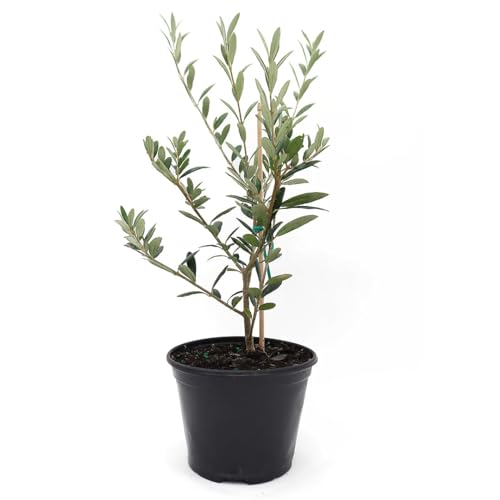
    Live Arbequina Olive Tree 1 Gallon Pot Dwarf Fruit Tree for Indoor Outdoor Growing Cold Hardy Self Fertile Container Friendly Zones 7 to 11
    Live Arbequina Olive Tree 1 Gallon Pot Dwarf Fruit Tree for Indoor Outdoor Growing Cold Hardy Self Fertile Container Friendly Zones 7 to 11

    Gourmet Home Gardening: Cultivate a taste of the Mediterranean in your own backyard with the Arbequina Olive Tree. This exquisite variety is renowned for its high-quality olives, suitable for homemade olive oil and culinary creations. Elevate your cooking experience with the authentic flavors of freshly harvested olives, right from your garden
    VIEW LATEST PRICE

    As an affiliate, we earn on qualifying purchases.

    2 Arbequina Olive Live Trees Plant for Planting, Very Cold Hardy, Well-Rooted, 4-7 Inches, 5 Months Old
    2 Arbequina Olive Live Trees Plant for Planting, Very Cold Hardy, Well-Rooted, 4-7 Inches, 5 Months Old

    2 Arbequina Olive Live Trees Plant for Planting, Very Cold Hardy, Well-rooted, 4-7 Inches, 5 Months Old

    VIEW LATEST PRICE

    As an affiliate, we earn on qualifying purchases.

    Maine Climate Effects on Olive Growth

    Maine’s unique climate presents distinct challenges and opportunities for olive tree cultivation. Understanding how temperature fluctuations, seasonal changes, and soil conditions impact growth is essential for determining the viability of olive farming in this northern region. This section delves into the specific climatic factors that influence the success of olive trees in Maine.

    Maine’s climate presents challenges for growing olive trees. The state experiences cold winters and short growing seasons.

    However, with proper planning, olive trees can thrive. Here are key climate factors to consider:

    • Winter Hardiness: Select varieties that can survive temperatures as low as 10°F.

    • Growing Season: Ensure a minimum of 150 frost-free days for optimal growth.

    • Sunlight Exposure: Olive trees require full sun for at least six hours daily.

    MUST READ
    Growing Avocado Trees in Garland, TX: Dallas County Secrets

    Assessing these factors will help in determining the best approach for planting.

    Olive Tree Soil Quality Essentials

    Understanding the soil quality requirements for olive trees is crucial, especially when considering their growth in Maine’s unique climate. This section delves into the essential soil characteristics that support the health and productivity of cold-hardy olive varieties, highlighting the specific conditions needed for successful cultivation in a region not typically associated with olive farming.

    Soil quality plays a significant role in the successful growth of olive trees. The right soil conditions can enhance root development and overall health. Here are the primary soil requirements:

    • Well-Draining Soil: Olive trees prefer sandy or loamy soil with good drainage.

    • pH Levels: Aim for a pH between 6.0 and 8.0 for optimal nutrient availability.

    • Nutrient Content: Test soil for essential nutrients like nitrogen, phosphorus, and potassium.

    Creating the right soil environment is essential for healthy olive trees.

    Soil TypeDrainagepH RangeNutrients Needed
    SandyExcellent6.0-8.0Nitrogen, Phosphorus, Potassium
    LoamyGood6.0-8.0Nitrogen, Phosphorus, Potassium
    ClayPoor6.0-8.0Nitrogen, Phosphorus

    Olive Tree Planting and Care in Maine

    Planting olive trees in Maine presents unique challenges due to the state’s cold climate. However, with the right cold-hardy varieties and proper care techniques, it is possible to cultivate these Mediterranean trees successfully. This section explores the essential steps for planting and maintaining olive trees in Maine’s distinct environment.

    Proper planting and care techniques are vital for olive tree success in Maine. Follow these steps to ensure healthy growth:

    1. Choose a Sunny Location: Select a spot with full sun exposure.

    2. Prepare the Soil: Amend soil with organic matter to improve drainage.

    3. Plant in Spring: Timing is crucial; plant after the last frost.

    4. Watering: Water deeply but infrequently to encourage deep root growth.

    5. Mulching: Apply mulch to retain moisture and regulate soil temperature.

    MUST READ
    Can Banana Trees Grow in Washington? (PNW Productivity Secrets)

    Regular monitoring and care will enhance the growth of olive trees.

    Olive Tree Pest and Disease Solutions

    Olive trees, while typically associated with warmer climates, can be susceptible to various pests and diseases, especially in less conventional growing regions like Maine. Understanding the specific challenges these trees face is crucial for successful cultivation. This section explores effective solutions to manage and prevent pest and disease issues for cold-hardy olive varieties.

    Pest and disease management is essential for maintaining healthy olive trees. Common issues include:

    • Olive Fruit Fly: This pest can damage fruit and reduce yields.

    • Fungal Diseases: Root rot and leaf spot can affect tree health.

    Implementing preventive measures is crucial. Here are some strategies:

    • Regular Inspections: Check trees for signs of pests or disease.

    • Organic Pesticides: Use neem oil or insecticidal soap as needed.

    • Proper Pruning: Maintain airflow to reduce disease risk.

    Addressing these issues promptly will help sustain healthy olive trees.

    Recommended Products

    Bonide Captain Jack's Neem Oil, 32 oz Ready-to-Use Spray, Multi-Purpose Fungicide, Insecticide and Miticide for Organic Gardening
    Bonide Captain Jack's Neem Oil, 32 oz Ready-to-Use Spray, Multi-Purpose Fungicide, Insecticide and Miticide for Organic Gardening

    MULTI-PURPOSE BUG KILLER - Bonide Neem Oil is a perfect pest control solution for any garden dealing with mites, flies, mildew, and more. This product is a three-in-one fungicide, miticide, and insecticide.

    VIEW LATEST PRICE

    As an affiliate, we earn on qualifying purchases.

    Natria Neem Oil Spray for Gardening - Ready-to-Use - Pest Control & Disease Control - Use for Houseplants and Home Gardens - 24 oz Bottle
    Natria Neem Oil Spray for Gardening - Ready-to-Use - Pest Control & Disease Control - Use for Houseplants and Home Gardens - 24 oz Bottle

    PLANT DISEASE CONTROL: Natria Neem Oil acts as an insecticide and fungicide in one convenient spray; Ready-to-use trigger sprayer requires no mixing

    MUST READ
    Apple Trees in Corpus Christi, TX (Gulf Coast Salt-Tolerant)
    VIEW LATEST PRICE

    As an affiliate, we earn on qualifying purchases.

    Bonide Captain Jack's 64 oz Neem Max Cold Pressed Neem Oil Spray for Indoor or Outdoor Plants & Organic Gardening
    Bonide Captain Jack's 64 oz Neem Max Cold Pressed Neem Oil Spray for Indoor or Outdoor Plants & Organic Gardening

    Protect your oasis with Captain Jack’s Neem Max Ready-to-Use Spray; this multipurpose product acts as a 4-in-1 insecticide, fungicide, miticide and nematicide

    VIEW LATEST PRICE

    As an affiliate, we earn on qualifying purchases.

    Olive Harvest Timing for Quality Oil

    Understanding the timing of olive harvest is crucial for producing high-quality oil, especially in regions like Maine where climate conditions can be challenging. This section delves into the optimal harvest periods for cold-hardy olive varieties, highlighting how timing impacts oil quality and flavor profiles. Proper timing can make a significant difference in the final product, ensuring the best possible results.

    Harvesting olives at the right time is critical for oil quality. Here’s how to ensure a successful harvest:

    • Timing: Harvest when olives are fully ripe, usually in late fall.

    • Methods: Use hand-picking or mechanical harvesters for efficiency.

    • Processing: Press olives within 24 hours for the best oil quality.

    Understanding the harvesting process will maximize yield and quality.

    Cold-Hardy Olive Varieties for Maine

    Exploring the potential for olive cultivation in Maine requires a focus on cold-hardy varieties that can withstand the region’s harsh winters. This section delves into specific olive tree types that have shown resilience in colder climates, offering insights for gardeners and farmers interested in expanding their agricultural options in this unique environment.

    Growing olive trees in Maine is feasible with the right cold-hardy varieties and care techniques. By focusing on climate, soil, and pest management, you can successfully cultivate olives in a challenging environment.

    MUST READ
    Mulberry Trees in a Pot in Hawaii: Tropical Container Tips
    Share. Facebook Twitter Pinterest LinkedIn Tumblr Email
    lucy smith
    Lucy Smith
    • Website

    Lucy Smith is a highly experienced horticulturist with a passion for fruit tree cultivation. She holds a degree in Horticulture from the University of California, Davis, and has worked in various roles in the industry. With over 10 years of experience, Lucy is dedicated to using eco-friendly methods for sustainable gardening practices.

    Related Posts

    Can Olive Trees Grow in New Jersey? Garden State Growth Tips

    July 11, 2026

    Can Star Fruit Trees Grow in Missouri? Expert Variety Guide

    July 10, 2026

    How to Grow Jujube Trees in Las Vegas, NV: Desert Growth

    July 10, 2026

    Mango Trees in Illinois: Indoor and Greenhouse Growth Secrets

    July 10, 2026

    Growing Papaya Trees in Oklahoma: High Heat Resilience

    July 10, 2026

    Tamarind Trees in a Pot in Ohio (Complete Maintenance Manual)

    July 10, 2026
    Leave A Reply Cancel Reply

    Affiliate Disclosure

    As an Amazon Associate I earn from qualifying purchases.

    Recommended Reading

    Walnut Trees in Montana (Hardy Varieties for Beginners)

    Do Fruit Trees Regrow Fruit ACNH: Tips for Thriving Orchards and Maximum Harvests

    Does Okame Cherry Tree Produce Fruit and What Gardeners Need to Know

    When to Plant Honeydew Seeds: A Complete Guide for Successful Melon Cultivation

    Is Ginkgo Tree Fruit Edible? Discover Its Benefits, Risks, and Preparation Tips

    Can Loquat Trees Grow in Minnesota? Northern Growing Solutions

    Pear Trees in a Pot in Hawaii: Pro Tips for Tropical Success

    When Should You Spray Insecticidal Soap on Your Grapefruit Tree for Effective Pest Management

    Why Do Red Spots Form on Nectarine Trees? Factors Revealed

    How Often Should I Water My Tangerine Tree for Optimal Growth?

    Fruit Tree Hub

    Fruit Tree Hub is a website dedicated to providing you everything you need to grow fruit trees successfully at in your own yard.

    Contact us at: [email protected]

    - AFFILIATE DISCLOSURE: As an Amazon Associate I earn from qualifying purchases.

    Latest Posts

    Can Olive Trees Grow in New Jersey? Garden State Growth Tips

    Can Star Fruit Trees Grow in Missouri? Expert Variety Guide

    How to Grow Jujube Trees in Las Vegas, NV: Desert Growth

    Mango Trees in Illinois: Indoor and Greenhouse Growth Secrets

    Growing Papaya Trees in Oklahoma: High Heat Resilience

    Tamarind Trees in a Pot in Ohio (Complete Maintenance Manual)

    Can Fig Trees Grow in Long Beach, CA? Coastal Salt Tips

    Plum Trees in District of Columbia (Urban Microclimate Tips)

    Categories
    • Almond Trees
    • Apple Trees
    • Apricot Trees
    • Best Fruit Trees
    • Blackberry
    • Cantaloupe
    • Cherry Trees
    • Crochet Ideas
    • Crochet Ideas for Beginners
    • Cucamelon
    • Easy Crochet Ideas
    • Easy Knitting Projects
    • Fig Trees
    • Grapefruit Trees
    • Grapes
    • Guava Trees
    • Honeydew
    • Jujube Trees
    • Kiwi
    • Knitting For Beginners
    • Knitting Ideas
    • Knitting Inspiration
    • Lemon Trees
    • Lime Trees
    • Loquat Trees
    • Mango Trees
    • Mulberry Trees
    • Nectarine Trees
    • Olive Trees
    • Orange Trees
    • Papaya Trees
    • Peach Trees
    • Pear Trees
    • Persimmon Trees
    • Planting
    • Plum Trees
    • Pomegranate Trees
    • Quince Trees
    • Raspberry
    • Reviews
    • Small Crochet Ideas
    • Star Fruit Trees
    • Summer Crochet Ideas
    • Tamarind Trees
    • Tangerine Trees
    • Tips and Advice
    • Tools
    • Uncategorized
    • Walnut Trees
    © 2026 Fruit Tree Hub
    • Home
    • About Us
    • Contact
    • Privacy Policy
    • Terms and Conditions
    • Disclaimer
    • Editorial Policy
    • Affiliate Disclosure

    Type above and press Enter to search. Press Esc to cancel.