
Close Menu
    Fruit Tree Hub
    • Home
    • Apple Trees
    • Lemon Trees
    • Mango Trees
    • Orange Trees
    • More Trees
      • Best Fruit Trees
      • Apricot Trees
      • Cherry Trees
      • Fig Trees
      • Lime Trees
      • Mulberry Trees
      • Peach Trees
      • Pear Trees
      • Plum Trees
      • Pomegranate Trees
    • Tips and Advice
      • Tools
    • About Us
      • Contact
      • Privacy Policy
    Fruit Tree Hub
    Home»Fruit Trees»Olive Trees»Can Olive Trees Be Damaged by High Winds
    Olive Trees

    Can Olive Trees Be Damaged by High Winds

    Lucy SmithBy Lucy SmithJanuary 19, 20246 Mins Read
    Share Facebook Twitter Pinterest WhatsApp Email
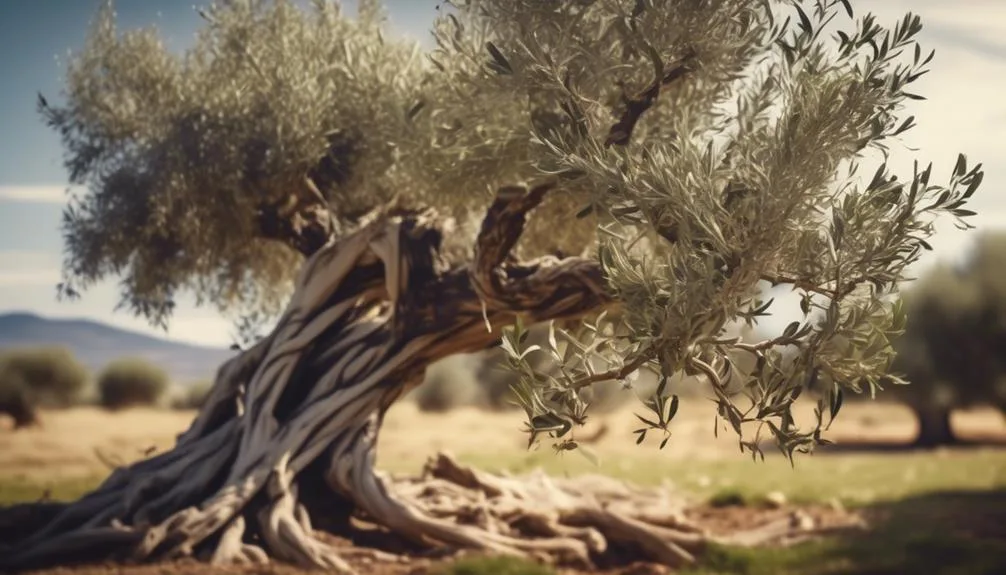
    olive trees and wind
    Share
    Facebook Twitter LinkedIn Pinterest Telegram Email

    The strong olive tree, with its branches swaying in the wind, may seem unbreakable. But can high winds really harm these resilient trees?

    Contents show
    1 Key Takeaways
    2 Impact of High Winds on Olive Trees
    3 Signs of Wind Damage on Olive Trees
    4 Preventing Wind Damage to Olive Trees
    5 Recovering Olive Trees From Wind Damage
    6 Best Practices for Protecting Olive Trees From High Winds
    7 Conclusion

    As you look at the olive groves, the answer might not be so simple. Exploring the potential impact of strong winds on olive trees can reveal the interesting ways these ancient symbols of peace can be affected, and the steps that can be taken to keep them safe.

    Key Takeaways

    • Pruning techniques and proper tree support systems can help reduce the risk of branch breakage and damage to olive trees caused by high winds.
    • Planting olive trees in well-draining soil and avoiding compacted or waterlogged areas can enhance their wind resistance.
    • Signs of wind damage on olive trees include broken branches, torn leaves, split branches, jagged edges, and irregularities in the shape or size of fruit.
    • Recovering olive trees from wind damage requires assessing the damage, pruning damaged branches, replenishing lost nutrients with balanced fertilizer, and providing careful attention and support to facilitate recovery.

    Impact of High Winds on Olive Trees

    During high winds, olive trees can suffer damage to their branches and fruit, impacting their overall health and productivity. Pruning techniques play a crucial role in preparing olive trees to withstand high winds.

    Proper pruning helps to create a balanced and sturdy tree structure, reducing the risk of branch breakage during strong gusts.

    MUST READ
    How to Manage Olive Tree Diseases Organically

    Additionally, root anchoring is essential to ensure the stability of olive trees in windy conditions. Strong and deep root systems help trees remain firmly anchored in the soil, preventing uprooting or toppling.

    By employing effective root anchoring methods, such as planting in well-draining soil and avoiding compacted or waterlogged areas, you can enhance the wind resistance of your olive trees.

    Understanding the impact of high winds on olive trees and implementing appropriate pruning and root anchoring techniques is essential for maintaining their health and productivity.

    Signs of Wind Damage on Olive Trees

    Examine your olive trees for telltale signs of wind damage, such as broken branches, torn leaves, and misshapen fruit. Look for branches that are split or have jagged edges, indicating the force of the wind.

    Torn leaves can be a clear indicator of wind damage, especially if they're scattered around the base of the tree. Additionally, inspect the fruit for any irregularities in shape or size, as strong winds can hinder proper fruit development.

    It's crucial to identify damage promptly to facilitate the recovery process. Once you've assessed the extent of the damage, take the necessary steps to support your olive trees in their recovery.

    This may involve pruning damaged branches, providing additional support for young trees, and ensuring proper irrigation and nutrition to aid in their recovery.

    Preventing Wind Damage to Olive Trees

    To protect your olive trees from wind damage, it's essential to implement proactive measures that fortify their resilience and structural integrity. Tree support systems such as stakes and ties can help young or newly transplanted olive trees establish strong root systems and prevent them from being uprooted or damaged by strong winds.

    MUST READ
    Where to Find Ancient Olive Trees Around the World

    Additionally, installing windbreaks, such as fences or hedges, can help create a barrier that reduces the impact of wind on the olive trees. Choose windbreak materials that are sturdy and durable to effectively shield the trees from strong gusts. Properly securing the tree support and windbreak installations is crucial for them to effectively safeguard the olive trees.

    Recovering Olive Trees From Wind Damage

    After enduring the force of strong winds, your olive trees may exhibit signs of damage that require immediate attention and care to aid in their recovery. Here's what you can do to help your olive trees bounce back:

    • Assessment: Begin by carefully examining the trees to assess the extent of the damage. Look for broken branches, torn leaves, and any structural damage to the tree.
    • Pruning techniques: Use sharp, clean pruning shears to remove any broken or damaged branches. Proper pruning will help promote new growth and overall tree health.
    • Nutrient replenishment: Consider providing the trees with a balanced fertilizer to help replenish any nutrients lost during the wind damage. This will support the tree's recovery and encourage new growth.

    Recommended Products

    Fiskars Bypass Pruning Shears, 5/8" Cut Capacity Gardening Scissors, Self-Cleaning Sap Groove Prevents Sticking, Non-Slip Grip for Cutting Stems & Branches, Sharp Steel Blades w/ Low-Friction Coating
    Fiskars Bypass Pruning Shears, 5/8" Cut Capacity Gardening Scissors, Self-Cleaning Sap Groove Prevents Sticking, Non-Slip Grip for Cutting Stems & Branches, Sharp Steel Blades w/ Low-Friction Coating

    CLEAN CUTS FOR LIVE GROWTH: Bypass blade design is ideal for pruning delicate flower stems and green growth, helping reduce crushing and plant damage while cutting stems and small branches up to 5/8” in diameter

    VIEW LATEST PRICE
    MUST READ
    Where to Plant Olive Trees for Optimal Growth

    As an affiliate, we earn on qualifying purchases.

    DECERK® 8.5" Professional Pruning Shears - Cuts 4X Easier with Ultra Sharp Japanese Steel Titanium Blade, Arthritis Friendly Garden Scissors & Plant Clippers, Effortlessly Prunes 3/4" Branches
    DECERK® 8.5" Professional Pruning Shears - Cuts 4X Easier with Ultra Sharp Japanese Steel Titanium Blade, Arthritis Friendly Garden Scissors & Plant Clippers, Effortlessly Prunes 3/4" Branches

    Unbreakable sharpness! Japanese SK5 steel blade with titanium coating endures 100,000 cuts. Built for lifelong clean cuts

    VIEW LATEST PRICE

    As an affiliate, we earn on qualifying purchases.

    CastleGreens 6-Inch Stainless Steel Garden Bonsai Pruning Shears with 40mm Straight Blade Pruners, Anti-Slip Softgrip Micro-Tip Snip
    CastleGreens 6-Inch Stainless Steel Garden Bonsai Pruning Shears with 40mm Straight Blade Pruners, Anti-Slip Softgrip Micro-Tip Snip

    REDUCE HAND STRESS- This scissors was made to eliminate the day to day stress that comes from long time pruning with our soft grip handles, sharp stainless steel blades and springless design to allow free movement

    VIEW LATEST PRICE

    As an affiliate, we earn on qualifying purchases.

    Best Practices for Protecting Olive Trees From High Winds

    If you want to safeguard your olive trees from potential wind damage, implementing best practices is crucial for ensuring their long-term health and resilience.

    Windbreak strategies are essential for protecting olive trees from high winds. Planting windbreaks, such as hedges or shrubs, on the windward side of the olive trees can help reduce the impact of strong winds. Additionally, using physical barriers like fences or walls can also provide protection.

    Furthermore, employing tree bracing techniques can significantly enhance the stability of olive trees during high winds. This involves using support systems such as cables or braces to strengthen the tree's structure and minimize the risk of breakage.

    Conclusion

    To ensure the resilience of your olive trees in windy conditions, there are a few key steps you can take. First, it is important to be vigilant for signs of wind damage. This includes looking for broken or damaged branches, leaning trunks, or uprooted trees. By regularly inspecting your olive trees, you can identify any potential issues early on and take appropriate action.

    MUST READ
    Why Do Olive Trees Have a Long Harvest Season

    Second, it is crucial to prioritize proper care and protection for your olive trees. This involves regular pruning to maintain a strong and balanced structure. Pruning helps to reduce the surface area of the tree, making it less susceptible to wind damage. Additionally, removing any dead or weak branches can help improve the overall health and stability of the tree.

    Another important measure is to provide support for your olive trees. This can be done by installing stakes or tying them to a support structure. This will help to anchor the trees and prevent them from bending or breaking in strong winds.

    Lastly, consider planting windbreaks around your olive trees. Windbreaks are rows of trees or shrubs that are specifically planted to protect against strong winds. They can act as a barrier, reducing the impact of the wind on your olive trees.

    By being proactive and implementing these measures, you can safeguard your olive trees from wind damage and ensure their health and productivity, even in the face of strong winds.

    Share. Facebook Twitter Pinterest LinkedIn Tumblr Email
    lucy smith
    Lucy Smith
    • Website

    Lucy Smith is a highly experienced horticulturist with a passion for fruit tree cultivation. She holds a degree in Horticulture from the University of California, Davis, and has worked in various roles in the industry. With over 10 years of experience, Lucy is dedicated to using eco-friendly methods for sustainable gardening practices.

    Related Posts

    Why Do Olive Trees Symbolize Peace

    January 20, 2024

    Can Olive Trees Adapt to Climate Change

    January 20, 2024

    Creating a Wildlife Habitat With Olive Trees

    January 20, 2024

    Where Are Olive Trees Considered Invasive

    January 20, 2024

    Is Olive Tree Pollen Allergenic

    January 20, 2024

    Can Olive Trees Be Used in Traditional Remedies

    January 20, 2024
    Leave A Reply Cancel Reply

    Affiliate Disclosure

    As an Amazon Associate I earn from qualifying purchases.

    Recommended Reading

    How Tall Do Dwarf Tangerine Trees Grow? Proven Pruning Techniques for Ideal Heights

    5 Best Extendable Tree Pruners of 2024 – Your Ultimate Guide to Pruning With Ease

    Do Nectarines Ripen on the Tree: Mastering the Art of Harvesting for Perfect Flavor

    Where to Buy Tropical Fruit Trees and Find the Best Options for Your Garden

    When is the Best Time to Plant a Grapefruit Tree: Tips for Successful Growth

    What Are the Fruit Trees in Animal Crossing: A Guide to Planting and Caring for Your Island

    When to Fertilize Fruit Trees in California: Expert Tips for Thriving Harvests

    How to Grow a Ruby Red Grapefruit Tree: Tips for Planting, Nurturing, and Harvesting

    What Does Pruner Mean? Mastering Effective Pruning Techniques

    How Long to Soak Bare Root Fruit Trees for Optimal Growth and Health

    Fruit Tree Hub

    Fruit Tree Hub is a website dedicated to providing you everything you need to grow fruit trees successfully at in your own yard.

    Contact us at: [email protected]

    - AFFILIATE DISCLOSURE: As an Amazon Associate I earn from qualifying purchases.

    Latest Posts

    Fig Trees in Oakland, CA: Bay Area Microclimate Secrets

    Tangerine Trees in a Pot in San Jose, CA: Maximize Your Harvest

    Grapefruit Trees in Idaho: Cold-Climate Survival Secrets

    Quince Trees in Ohio: Pro Secrets for Buckeye Gardeners

    Can Jujube Trees Grow in Houston, TX? Humidity-Tolerant Tips

    Can Orange Trees Grow in a Pot in District of Columbia? Tips

    Can Grapefruit Trees Grow in Minnesota? Northern Solutions

    Mango Trees in a Pot in New York (Upstate Growing and Care Tips)

    Categories
    • Almond Trees
    • Apple Trees
    • Apricot Trees
    • Best Fruit Trees
    • Blackberry
    • Cantaloupe
    • Cherry Trees
    • Crochet Ideas
    • Crochet Ideas for Beginners
    • Cucamelon
    • Easy Crochet Ideas
    • Easy Knitting Projects
    • Fig Trees
    • Grapefruit Trees
    • Grapes
    • Guava Trees
    • Honeydew
    • Jujube Trees
    • Kiwi
    • Knitting For Beginners
    • Knitting Ideas
    • Knitting Inspiration
    • Lemon Trees
    • Lime Trees
    • Loquat Trees
    • Mango Trees
    • Mulberry Trees
    • Nectarine Trees
    • Olive Trees
    • Orange Trees
    • Papaya Trees
    • Peach Trees
    • Pear Trees
    • Persimmon Trees
    • Planting
    • Plum Trees
    • Pomegranate Trees
    • Quince Trees
    • Raspberry
    • Reviews
    • Small Crochet Ideas
    • Star Fruit Trees
    • Summer Crochet Ideas
    • Tamarind Trees
    • Tangerine Trees
    • Tips and Advice
    • Tools
    • Uncategorized
    • Walnut Trees
    © 2026 Fruit Tree Hub
    • Home
    • About Us
    • Contact
    • Privacy Policy
    • Terms and Conditions
    • Disclaimer
    • Editorial Policy
    • Affiliate Disclosure

    Type above and press Enter to search. Press Esc to cancel.