

Lime trees can thrive in Bakersfield, CA, provided the right conditions are met. The hot climate presents challenges, but with proper care and specific techniques, successful growth is achievable.
Bakersfield Climate Factors for Healthy Lime Growth
Bakersfield experiences hot summers and mild winters, which can be beneficial for growing lime trees. However, the extreme heat can stress the trees if not managed properly. Understanding the local climate is crucial for ensuring healthy growth. Lime trees prefer temperatures between 70°F and 100°F but can suffer from heat stress if exposed to prolonged high temperatures without adequate care.
Ideal Temperature Conditions for Lime Trees
Understanding the ideal temperature conditions for lime trees is crucial for successful cultivation in Bakersfield, CA. The region’s hot climate presents unique challenges and opportunities for growing these citrus trees. By examining the specific temperature ranges that promote healthy growth, gardeners can optimize their care strategies for thriving lime trees.
Lime trees are sensitive to both heat and cold. Knowing the ideal temperature ranges helps in planning for their care. Here’s a breakdown of temperature impacts:
| Temperature Range | Effect on Lime Trees |
|---|---|
| Below 30°F | Potential frost damage |
| 30°F – 50°F | Growth slows significantly |
| 50°F – 70°F | Optimal growth conditions |
| 70°F – 100°F | Healthy growth, requires watering |
| Above 100°F | Risk of heat stress |
Best Lime Tree Varieties for Hot Climates
When considering lime trees for hot climates like Bakersfield, CA, it’s essential to choose varieties that thrive in high temperatures. Certain lime tree types not only withstand heat but also produce abundant fruit, making them ideal for local gardeners. This section explores the best lime tree varieties suited for warmer environments, ensuring successful cultivation and a bountiful harvest.
Choosing the right variety of lime tree is essential for success in Bakersfield’s climate. Some varieties are more tolerant to heat and drought than others. Consider these options:
Persian Lime: Commonly grown, tolerant to heat.
Key Lime: Smaller fruit, needs more care.
Kaffir Lime: Unique leaves, prefers slightly cooler conditions.
Optimal Planting Methods for Lime Trees
Understanding the best planting methods for lime trees is crucial for success in Bakersfield’s hot climate. This section explores specific techniques and practices that can enhance growth and fruit production, ensuring that your lime trees thrive despite the challenges posed by high temperatures and arid conditions. Implementing these strategies will help you cultivate healthy, productive trees in your garden.
Proper planting techniques can significantly improve the chances of successful growth. Follow these steps for optimal results:
Choose a Sunny Location: Select a site that receives full sun for at least 8 hours daily.
Prepare the Soil: Ensure well-draining soil with a pH between 6.0 and 7.0.
Water Wisely: Water deeply but infrequently to encourage deep root growth.
Mulch Around Base: Apply organic mulch to retain moisture and regulate soil temperature.
Irrigation Techniques for Lime Trees
Irrigation is crucial for the successful growth of lime trees, especially in the hot climate of Bakersfield, CA. Understanding effective watering methods can help ensure these trees thrive despite the challenges posed by high temperatures and limited rainfall. This section explores various irrigation techniques tailored to optimize lime tree health and productivity in arid conditions.
Watering is critical for lime trees, especially in hot climates. The right irrigation practices can prevent heat stress and promote healthy growth.
Frequency: Water every 5-7 days during summer.
Amount: Provide 1-2 inches of water per week.
Method: Use drip irrigation to minimize evaporation.
Fertilization Strategies for Lime Trees
Fertilizing lime trees in Bakersfield, CA, requires a tailored approach to thrive in the region’s hot climate. Understanding the specific nutrient needs and timing for application can significantly enhance growth and fruit production. This section explores effective fertilization strategies to ensure your lime trees flourish despite the challenging conditions.
Fertilization plays a key role in the health of lime trees. A balanced fertilizer can enhance growth and fruit production. Here’s a recommended schedule:
| Fertilizer Type | Application Frequency | Notes |
|---|---|---|
| Nitrogen-rich fertilizer | Every 6-8 weeks | Promotes leaf growth |
| Potassium-rich fertilizer | Every 2-3 months | Enhances fruit quality |
| Organic compost | Twice a year | Improves soil health |
Pest Control Strategies for Lime Trees
Managing pests is crucial for the health of lime trees, especially in Bakersfield’s hot climate. Understanding the common pests that affect these trees and implementing effective control strategies can help ensure a bountiful harvest. This section explores various methods to protect lime trees from pest infestations while maintaining their vitality.
Pest and disease issues can arise in Bakersfield due to the hot climate. Regular monitoring and preventive measures are essential for maintaining healthy lime trees. Common pests include:
Aphids: Check for sticky residue on leaves.
Spider Mites: Look for webbing on the underside of leaves.
Citrus Leaf Miner: Monitor for leaf damage and tunnels.
Recommended Products

PLANT DISEASE CONTROL: Natria Neem Oil acts as an insecticide and fungicide in one convenient spray; Ready-to-use trigger sprayer requires no mixing
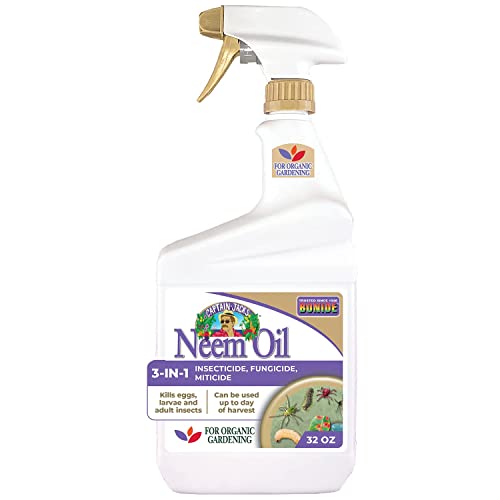
MULTI-PURPOSE BUG KILLER - Bonide Neem Oil is a perfect pest control solution for any garden dealing with mites, flies, mildew, and more. This product is a three-in-one fungicide, miticide, and insecticide.

INSECT KILLER: BioAdvanced Organics Brand Neem Oil spray controls aphids, whiteflies, spider mites, and other listed pests
Pest and Disease Management Strategies
Managing pests and diseases is crucial for the successful cultivation of lime trees in Bakersfield’s hot climate. Understanding the specific threats that these trees face in this region can help growers implement effective strategies to protect their crops. This section delves into practical approaches for maintaining healthy lime trees amidst the challenges posed by local pests and diseases.
Implementing preventive measures can help manage pests and diseases effectively. Consider these strategies:
Regular Inspections: Check trees weekly for signs of pests.
Natural Predators: Encourage beneficial insects like ladybugs.
Neem Oil Sprays: Use as a natural pesticide when needed.
Optimal Lime Harvesting Techniques
Harvesting limes at the right time and using effective techniques can significantly enhance the quality and yield of your crop. In the hot climate of Bakersfield, understanding the optimal methods for picking and handling limes is essential for maximizing flavor and freshness. This section explores the best practices for harvesting limes to ensure a successful and bountiful harvest.
Harvesting limes at the right time ensures the best flavor and quality. Limes are typically ready for harvest when they are fully green and slightly soft to the touch.
Timing: Harvest limes 6-9 months after flowering.
Technique: Use pruning shears to avoid damaging the tree.
Lime trees can flourish in Bakersfield with the right care and attention to local conditions. By understanding the climate, selecting suitable varieties, and implementing effective growing practices, gardeners can enjoy a bountiful harvest of fresh limes.
