

Jujube trees can thrive in Texas, particularly in the warmer regions. Their resilience to drought and adaptability to various soil types make them suitable for Lone Star cultivation.
Jujube Tree Advantages for Texas Gardeners
Jujube trees, known for their sweet, edible fruit, are increasingly popular among Texas gardeners. These trees are drought-resistant and can withstand the heat, making them ideal for the state’s climate. They require minimal maintenance once established and can produce fruit within a few years.
Recommended Products
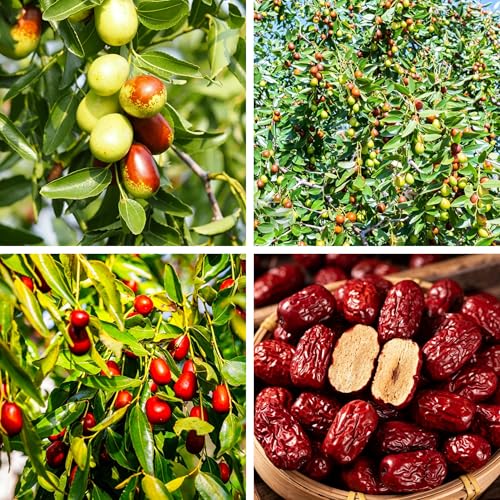
Easy to Sow: Jujube seeds adapt to most climates, low-maintenance for home gardens
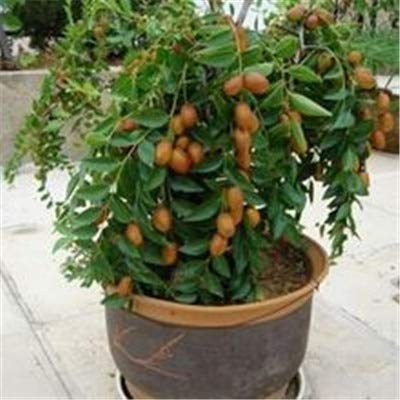
5 pcs/ lot Taiwan Big Jujube Outdoor Sweet Fruit Succulent Plant Tree Bonsai Pot Plant SeedsDIY Home Garden Easy to Grow : 6

Jujube Tree Seeds for Planting: Grow Ziziphus jujuba from fruit tree seeds for glossy foliage, small yellow green flowers and distinctive edible fruit. These exotic fruit tree seeds are ideal for home orchards, edible landscapes, containers and long term bonsai projects
Optimal Conditions for Jujube Growth in Texas
Understanding the optimal conditions for jujube trees is essential for successful cultivation in Texas. This section delves into the specific environmental factors, soil types, and care practices that contribute to the thriving growth of these resilient trees in the Lone Star State. By aligning your gardening efforts with these conditions, you can maximize your chances of a fruitful harvest.
To ensure successful growth, it is essential to provide the right conditions for jujube trees. They prefer full sun and well-drained soil. Here are key factors to consider:
Soil Type: Well-drained sandy or loamy soil is best.
Sunlight: At least 6-8 hours of direct sunlight daily.
Watering: Moderate watering; avoid waterlogged conditions.
| Condition | Ideal Requirement |
|---|---|
| Soil pH | 6.0 to 7.5 |
| Sunlight | 6-8 hours |
| Watering | Moderate |
Best Jujube Varieties for Texas Conditions
When considering jujube trees for cultivation in Texas, selecting the right variety is crucial for success. The unique climate and soil conditions of the Lone Star State can significantly influence growth and fruit production. This section highlights the best jujube varieties that thrive in Texas, ensuring optimal results for both novice and experienced growers.
Choosing the right variety can significantly impact your success. Some varieties are better suited for Texas conditions than others. Consider these popular options:
Li Jujube: Known for high fruit quality and disease resistance.
Lang Jujube: Produces large, sweet fruits and is highly productive.
Honey Jujube: Offers a unique flavor and is drought-tolerant.
Jujube Tree Planting and Care Guidelines
Jujube trees, known for their resilience and adaptability, can thrive in Texas’s diverse climate. Understanding the specific planting and care requirements is essential for successful cultivation. This section outlines key guidelines to help you nurture these unique trees and maximize their growth potential in the Lone Star State.
Proper planting and care are crucial for healthy growth. Follow these steps for optimal results:
Choose a Site: Select a sunny location with good drainage.
Prepare the Soil: Amend soil with organic matter to improve drainage.
Plant the Tree: Dig a hole twice the size of the root ball and place the tree at the same depth as it was in the nursery.
Water Immediately: Ensure the tree is well-watered after planting.
Mulch Around Base: Apply mulch to retain moisture and suppress weeds.
Jujube Tree Pests and Disease Management
Managing pests and diseases is crucial for the successful cultivation of jujube trees in Texas. Understanding the common threats these trees face can help growers implement effective strategies to protect their crops. This section delves into the specific pests and diseases that may affect jujube trees and offers practical solutions for maintaining their health and productivity.
While jujube trees are generally hardy, they can face some challenges. Identifying and addressing these issues early can prevent significant damage. Common pests include:
Aphids: Small insects that can weaken trees. Use insecticidal soap for control.
Scale Insects: These can be removed by scraping or using horticultural oil.
Root Rot: Caused by overwatering. Ensure proper drainage to prevent this.
| Pest/Disease | Symptoms | Treatment |
|---|---|---|
| Aphids | Curling leaves | Insecticidal soap |
| Scale Insects | Sticky residue | Horticultural oil |
| Root Rot | Wilting | Improve drainage |
Jujube Fruit Harvesting Techniques
Harvesting jujube fruit requires careful timing and technique to ensure the best yield and flavor. Understanding the optimal conditions for harvesting, as well as the methods to properly collect and handle the fruit, can significantly impact the overall success of jujube cultivation in Texas. This section delves into effective harvesting strategies tailored for the Lone Star State.
Harvesting jujube fruit at the right time is essential for quality. The fruit should be picked when it changes color and becomes slightly soft. Here’s how to handle the harvest:
Timing: Harvest in late summer to early fall.
Method: Gently twist the fruit to remove it from the branch.
Storage: Store in a cool, dry place. Dried jujubes can be kept for longer periods.
Enhancing Jujube Tree Production Techniques
Improving jujube tree production in Texas requires an understanding of specific cultivation techniques tailored to the state’s unique climate and soil conditions. This section explores effective methods and practices that can significantly boost the yield and health of jujube trees, ensuring they thrive in the Lone Star State.
To enhance production, consider implementing these practices:
Fertilization: Use a balanced fertilizer in early spring.
Pruning: Regularly prune to improve air circulation and light penetration.
Companion Planting: Plant alongside nitrogen-fixing plants to enrich soil.
Texas Jujube Growing Tips and Best Practices
Growing jujube trees in Texas can be a rewarding endeavor, thanks to the state’s favorable climate and soil conditions. This section offers practical tips and best practices tailored for Texas gardeners, ensuring successful cultivation of these resilient and fruitful trees. From planting techniques to pest management, discover how to maximize your jujube harvest in the Lone Star State.
Jujube trees can be a rewarding addition to Texas landscapes. They require minimal care and offer delicious fruit. Ensure you choose the right variety and provide the necessary conditions for success.
Planting jujube trees can lead to fruitful rewards with proper care and attention.
