

Jujube trees can grow in Indianapolis, IN, with proper care and attention to local climate conditions. These trees thrive in well-drained soil and full sunlight, making them suitable for the region if planted correctly.
Jujube Tree Growth Conditions in Indianapolis
Understanding the growth conditions for jujube trees in Indianapolis is essential for local gardeners and enthusiasts. This section delves into the specific climate, soil, and care requirements necessary to successfully cultivate these unique trees in the region. By exploring these factors, you can better assess whether jujube trees are a viable option for your landscape.
Jujube trees, also known as Chinese dates, are resilient and adaptable. They prefer warm climates but can tolerate cooler temperatures.
In Indianapolis, the USDA Hardiness Zone is 5b to 6a, which can support jujube growth if certain conditions are met. The trees require full sun exposure and well-drained soil to flourish.
Recommended Products

Feed the soil not the plants - stimulate microbial activity in your soil and boost probability of success with all types of plants… like composting but faster
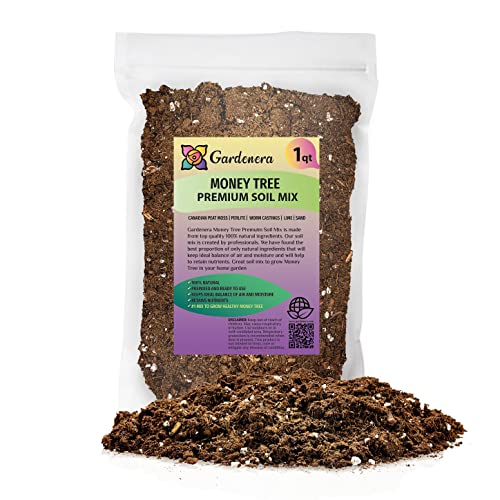
🌳 PROFESSIONALLY MIXED IN THE USA - Each bag is hand blended on our small family farm with premium horticultural grade ingredients: Canadian Peat Moss, Perlite, Worm Castings, Lime, Sand.

STARTING A TROPICAL GARDEN- Comprised of real horticultural grade ingredients such as shredded coir husk, pine bark, perlite, sand, and garden lime; no pelletized fertilizer
Soil Requirements for Jujube Cultivation
Understanding the soil requirements for jujube trees is crucial for successful cultivation in Indianapolis, IN. The right soil conditions can significantly impact growth and fruit production, making it essential for local gardeners and farmers to know how to prepare and maintain their soil for optimal results. This section delves into the specific soil characteristics needed for thriving jujube trees.
Preparing the soil is crucial for successful jujube tree growth. The ideal soil should be sandy loam with good drainage. Heavy clay soils can lead to root rot.
Test the soil pH, which should ideally be between 6.0 and 7.5.
Amend the soil with organic matter to improve drainage.
Ensure the planting site receives at least six hours of sunlight daily.
Optimal Spring Planting for Jujube Trees
Spring is a crucial time for planting jujube trees in Indianapolis, as the climate and soil conditions can significantly impact their growth. Understanding the optimal planting practices during this season will help ensure that these trees thrive in the local environment. This section outlines the best strategies for successful spring planting of jujube trees in the region.
Planting jujube trees at the right time and location is essential. Spring is the best season for planting in Indianapolis.
Choose a location away from strong winds to protect young trees.
Space trees at least 15 feet apart to allow for growth.
Water the trees deeply after planting to establish roots.
| Factor | Recommendation |
|---|---|
| Soil Type | Sandy Loam |
| pH Level | 6.0 – 7.5 |
| Sunlight | 6+ hours daily |
| Spacing | 15 feet apart |
Jujube Tree Watering and Fertilization Guide
Proper watering and fertilization are crucial for the health and productivity of jujube trees, especially in the unique climate of Indianapolis, IN. This guide will provide essential tips on how to effectively manage these needs, ensuring your jujube trees thrive and yield abundant fruit in the local environment.
Proper watering and fertilization practices ensure healthy growth. Jujube trees are drought-tolerant once established but require regular watering during the first year.
Water deeply once a week in dry conditions.
Use a balanced fertilizer in early spring to promote growth.
Avoid over-fertilizing, which can lead to excessive foliage and fewer fruits.
Jujube Tree Pest Monitoring Techniques
Effective pest monitoring is crucial for maintaining the health of jujube trees in Indianapolis. Understanding the specific pests that target these trees and employing targeted monitoring techniques can help ensure a thriving harvest. This section explores various methods to identify and manage pest populations effectively.
Jujube trees are generally resistant to pests and diseases. However, monitoring for common issues is important.
Check for aphids and spider mites, which can affect foliage.
Look for signs of root rot, especially in poorly drained soils.
Use organic pesticides as needed to manage infestations.
Successful Jujube Fruit Harvesting Techniques
Harvesting jujube fruit requires specific techniques to ensure a successful yield, especially in climates like Indianapolis. Understanding the best practices for timing, tools, and handling can significantly impact the quality and quantity of your harvest. This section delves into effective methods tailored for local growing conditions to help you maximize your jujube production.
Harvesting jujube fruits requires attention to timing and technique. The fruits can be eaten fresh or dried.
Harvest when the fruits are brown and slightly soft.
Use pruning shears to avoid damaging the tree.
Store harvested fruits in a cool, dry place.
| Harvesting Tips | Details |
|---|---|
| Fruit Color | Brown |
| Texture | Slightly Soft |
| Storage | Cool, Dry Place |
Jujube Tree Seasonal Maintenance Guide
Maintaining jujube trees in Indianapolis requires attention to seasonal changes to ensure healthy growth and fruit production. This guide outlines essential care practices throughout the year, focusing on pruning, watering, and pest management tailored to the local climate. By following these guidelines, you can cultivate thriving jujube trees in your garden.
Seasonal care is vital for maintaining healthy jujube trees. Each season presents unique challenges and opportunities.
In spring, focus on fertilization and watering.
In summer, monitor for pests and ensure adequate hydration.
In fall, prepare for winter by mulching around the base to protect roots.
Avoid planting jujube trees in areas prone to frost during early spring.
Growing Jujube Trees in Indianapolis Challenges
Growing jujube trees in Indianapolis presents unique challenges due to the region’s climate and soil conditions. While these trees are known for their resilience, factors such as temperature fluctuations, humidity levels, and potential pest issues can impact their growth and fruit production. Understanding these challenges is essential for successful cultivation in this specific area.
Growing jujube trees in Indianapolis may present challenges. Understanding these can help mitigate issues.
Late frosts can damage young blooms.
Heavy rainfall may lead to root rot.
Limited pollination can affect fruit yield; consider planting multiple trees.
By following these guidelines, you can successfully grow jujube trees in Indianapolis, ensuring a fruitful harvest.
