

Fig trees can grow in Boston, MA, but they require specific care to thrive in New England’s climate. Using proper techniques, such as selecting the right variety and providing winter protection, will enhance your chances of successful growth.
Best Fig Tree Varieties for New England
Choosing the appropriate fig tree variety is crucial for success in Boston’s climate. Some varieties are more cold-hardy than others, making them better suited for New England winters. Look for varieties that can tolerate temperatures as low as 10°F. The following varieties are recommended:
| Fig Variety | Hardiness Zone | Flavor Profile | Size |
|---|---|---|---|
| Brown Turkey | 6-9 | Sweet, mild | Medium |
| Celeste | 6-9 | Rich, sweet | Small |
| Chicago Hardy | 5-10 | Sweet, rich | Medium |
| Adriatic | 6-9 | Sweet, honey-like | Medium |
Recommended Products

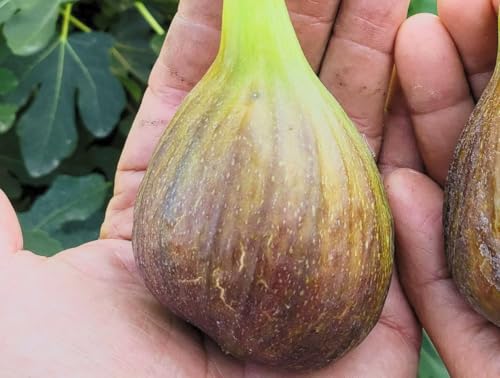
🍇 Large, Sweet Purple Figs – Tangerine-sized fruit with rich red-violet flesh.

🍇 Sweet, Medium-Sized Figs – Rich flavor with glossy dark purple skin and vibrant interior.
Fig Tree Planting Site Preparation Steps
Preparing the right site for planting fig trees in Boston is essential for their successful growth in New England’s unique climate. This section outlines the necessary steps to ensure optimal soil conditions, sunlight exposure, and protection from harsh weather, enabling gardeners to cultivate healthy fig trees in their backyards. Proper preparation can significantly enhance the chances of a fruitful harvest.
Proper site preparation is essential for fig trees to flourish. Choose a location that receives full sun for at least six hours daily.
The soil should be well-draining to prevent root rot. Here are steps to prepare the site:
Clear the area of weeds and debris.
Test the soil pH to ensure it is between 6.0 and 6.8.
Amend the soil with organic matter like compost to improve drainage and nutrient content.
Dig a hole twice the size of the root ball for better root establishment.
Winter Care Strategies for Fig Trees
Fig trees can be a delightful addition to gardens in Boston, but their survival through harsh winters requires careful planning. Understanding effective winter care strategies is essential for protecting these trees from cold temperatures and ensuring they thrive in New England’s climate. This section explores practical methods to safeguard fig trees during the winter months.
Boston winters can be harsh, making winter protection vital for fig trees. Without proper care, trees can suffer frost damage. Implement these strategies to protect your figs:
Mulch the base with straw or wood chips to insulate roots.
Wrap the trunk with burlap or frost cloth to shield against cold winds.
Construct a temporary frame around the tree and cover it with plastic to create a greenhouse effect.
Recommended Products

Revolutionary Anti-freeze Protection: Plant covers freeze protection is made of 100% Reliable non-woven thickened polypropylene fabric Because the frost cloth fabric Thickness is 3.2 oz/yd² thicker and warmer, tear resistant than less expensive 1.3 oz/yd² fabric. Provides up to 2° F(-17℃) frost protection. In winter, frost blankets for outdoor plants can form a insulation layer for plants to isolate cold air and retain the oxygen required for plant respiration
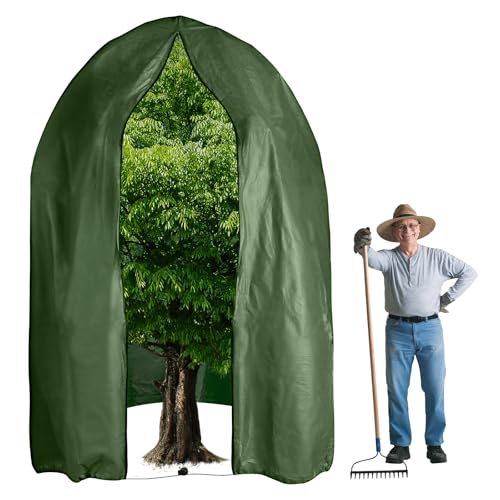
Extra Large Size:Our winter plant covers are designed with a super large size,It is about 110"x79", which is large enough to fit the plants easily, suit for protecting large plants and provides better protection from wind,snow,ice frost damage

【Super Large Size】Our winter plant covers are designed with a super large size, measuring 95 inches in height and 80 inches in width. This generous size tree cover ensures easy coverage and protection for various types of shrubs and small trees. You can even gather multiple potted plants together and use one large plant cover, eliminating the hassle of multiple small covers.
Fig Tree Watering and Fertilizing Guidelines
Understanding the watering and fertilizing needs of fig trees is essential for successful growth in Boston’s unique climate. Proper care can significantly enhance fruit production and overall plant health. This section outlines key guidelines to help you nurture your fig trees effectively throughout the growing season.
Maintaining proper watering and fertilizing practices will promote healthy growth. Fig trees prefer slightly dry conditions and can suffer from overwatering. Follow these guidelines:
Water deeply once a week during dry spells.
Reduce watering in late fall to prepare for dormancy.
Fertilize with a balanced fertilizer in early spring and again in mid-summer.
Fig Tree Pests and Disease Identification
Fig trees can be susceptible to various pests and diseases, especially in the unique climate of Boston, MA. Understanding how to identify these issues is crucial for maintaining healthy trees and ensuring a fruitful harvest. This section will explore common pests and diseases that affect fig trees, along with tips for effective management and prevention.
Fig trees are susceptible to various pests and diseases that can hinder growth. Identifying these issues early is key to maintaining plant health. Common problems include:
Fig beetles: Damage leaves and fruit. Use insecticidal soap for control.
Root rot: Caused by overwatering. Ensure proper drainage.
Powdery mildew: Appears as white spots on leaves. Treat with fungicide.
Optimal Fig Harvest Timing for Flavor
Understanding the optimal timing for harvesting figs is crucial for maximizing their flavor, especially in a climate like Boston’s. The unique growing conditions in New England can affect when figs reach their peak sweetness and texture. This section delves into the best practices for determining the right moment to pick your figs for the most delicious results.
Harvesting figs at the right time is essential for optimal flavor. Figs do not ripen after being picked, so timing is crucial. Here are tips for harvesting:
Check for softness: Ripe figs should yield slightly to gentle pressure.
Look for color change: Varieties will change color when ripe.
Pick in the morning: This is when figs are most flavorful and firm.
Fig Tree Growth Problem Solutions
Fig trees can present unique challenges for gardeners in Boston’s climate, where cold winters and varying temperatures can hinder their growth. Understanding common problems and their solutions is essential for successfully cultivating these trees in New England. This section addresses the key issues faced by fig tree enthusiasts and offers practical strategies to overcome them.
If your fig trees are not thriving, several factors could be at play. Common issues include poor growth, leaf drop, or lack of fruit. Here are potential causes and solutions:
| Issue | Possible Cause | Solution |
|---|---|---|
| Poor growth | Insufficient sunlight | Relocate to a sunnier spot |
| Leaf drop | Overwatering | Adjust watering schedule |
| Lack of fruit | Improper pollination | Ensure the presence of pollinators |
Recommended Products
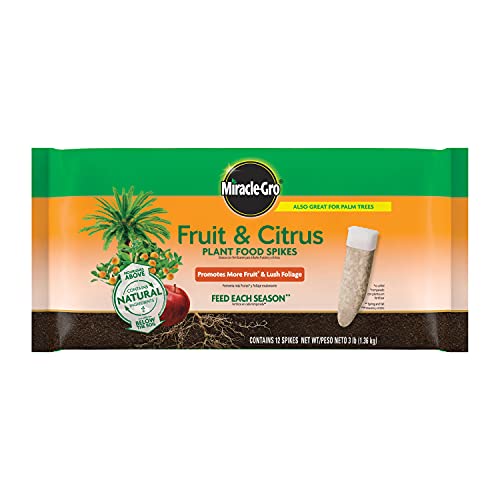
FORMULATED FOR CITRUS AND FRUIT TREES: Use these citrus fertilizer spikes on apple, orange, lemon, lime, and avocado trees; this formula is also great for feeding palm trees

Down to Earth Fruit Tree is a five pound box of all natural fertilizer with 6-2-4 formula and is listed by the Organic Materials Review Institute (OMRI) for use in organic production

🌿 Balanced 10-10-10 Granular Fertilizer for Outdoor & Indoor Plants: All-purpose plant food with 10% Nitrogen, 10% Phosphorus, and 10% Potassium. Perfect for outdoor vegetable gardens, fruit trees, evergreens, shrubs, lawns, and flowers. Also great for potted plants and indoor gardening. One solution for all your plant needs!
Growing Fig Trees in New England
Growing fig trees in New England presents unique challenges due to the region’s climate. While Boston’s cold winters can be a hurdle, with the right techniques and care, it’s possible to cultivate these fruit-bearing trees successfully. Understanding local conditions and employing effective strategies will enhance your chances of thriving fig trees in this northern environment.
Growing fig trees in Boston can be rewarding with the right approach. Focus on selecting hardy varieties, preparing the planting site, and providing winter protection. Monitor for pests and diseases to ensure healthy growth.
