

Banana trees can thrive in Lincoln, NE, with the right care and conditions. By selecting cold-hardy varieties and implementing proper cultivation techniques, local gardeners can successfully grow bananas despite the region’s climate challenges.
Cold-Hardy Banana Varieties for Lincoln
Choosing the right banana varieties is crucial for successful growth in Lincoln’s climate. Cold-hardy types like the Musa basjoo and Musa sikkimensis are known for their resilience against frost. These varieties can withstand temperatures as low as 10°F, making them suitable for the Great Plains.
Recommended Products

CHOOSE YOUR FAVORITE BANANA VARIETY – Select from Grand Nain, Dwarf Cavendish, Double Mahoi, Curly Tiny, or Basjoo Banana plants. Each variety offers unique characteristics, from sweet edible fruit to striking ornamental foliage and cold-hardy landscape performance.
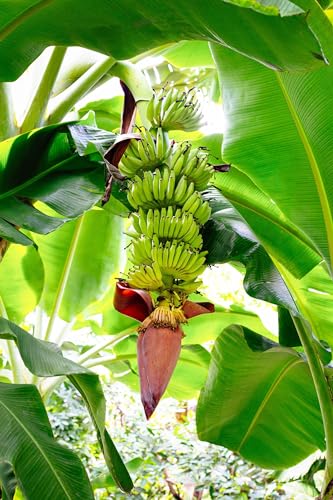
Live Plants for Planting 🌱 – Includes 4 rooted Musa basjoo banana plants, ready to plant in your garden or large pots.

LIVE MUSA BASJOO BANANA PLANT: Receive (1) healthy live bare-root Musa Basjoo (Cold Hardy Japanese Banana) carefully packaged and ready for planting. No pot included
Cold-Hardy Banana Traits for Gardens
In Lincoln, NE, cultivating banana trees requires a focus on cold-hardy traits to ensure successful growth in the region’s climate. Understanding these specific characteristics can help gardeners select the right varieties that thrive despite temperature fluctuations, ultimately leading to a fruitful harvest. This section explores the essential traits that make certain banana trees suitable for the Great Plains.
Cold-hardy banana varieties have specific traits that make them ideal for colder climates. Understanding these characteristics helps in selecting the best options for your garden.
| Variety | Height | Cold Tolerance | Growth Rate |
|---|---|---|---|
| Musa basjoo | 8-12 feet | 10°F | Fast |
| Musa sikkimensis | 10-15 feet | 15°F | Moderate |
| Dwarf Orinoco | 4-6 feet | 20°F | Fast |
These bananas not only survive but can also produce fruit in optimal conditions.
Soil Preparation Techniques for Banana Cultivation
Preparing the soil is crucial for successful banana cultivation, especially in the unique climate of Lincoln, NE. Understanding the specific soil requirements and techniques can significantly enhance growth and yield. This section delves into effective soil preparation methods tailored for banana trees in the Great Plains, ensuring optimal conditions for thriving plants.
Soil preparation is essential for healthy banana growth. Bananas prefer well-draining, rich soil with a pH between 5.5 and 7.0. Amending the soil with organic matter enhances nutrient availability and improves drainage.
Soil pH Testing for Banana Trees
Understanding soil pH is essential for successfully growing banana trees in Lincoln, NE. The right pH level influences nutrient availability and overall plant health, making it crucial for local gardeners to assess their soil conditions. This section will guide you through the process of testing soil pH specifically for banana tree cultivation in the Great Plains.
Test the soil pH to ensure it is within the ideal range.
Incorporate compost or well-rotted manure to enrich the soil.
Ensure proper drainage by mixing in sand or perlite if necessary.
Proper soil preparation sets the foundation for strong and productive banana trees.
Optimal Microclimate for Banana Trees
Understanding the optimal microclimate for banana trees is crucial for successful cultivation in Lincoln, NE. This region’s unique climate conditions can significantly influence growth and fruiting potential. By exploring the specific environmental factors that favor banana trees, gardeners can enhance their chances of a fruitful harvest in the Great Plains.
Banana trees need specific growing conditions to thrive in Lincoln. They require full sun and protection from harsh winds. Creating a microclimate can help mitigate temperature extremes.
Ideal Sunlight Exposure for Banana Trees
Banana trees thrive in specific sunlight conditions, which are crucial for their growth and fruit production. In Lincoln, NE, understanding the optimal sunlight exposure can significantly impact the success of cultivating these tropical plants in a region characterized by its unique climate. This section explores the ideal sunlight requirements to ensure healthy banana trees flourish in the Great Plains.
Choose a sheltered location that receives at least 6-8 hours of sunlight daily.
Use windbreaks like fences or other plants to protect against strong winds.
Mulch around the base to retain moisture and regulate soil temperature.
These techniques promote a favorable environment for banana trees.
Optimal Watering and Fertilization Techniques
In Lincoln, NE, successfully cultivating banana trees requires a keen understanding of optimal watering and fertilization techniques tailored to the unique conditions of the Great Plains. This section delves into the best practices for ensuring these tropical plants thrive in a climate that can be challenging, providing essential insights for both novice and experienced gardeners.
Watering and fertilizing are vital for the health of banana trees. They require consistent moisture but do not tolerate standing water. Regular fertilization supports growth and fruit production.
Recommended Products

2X MORE VALUE: The 16 oz bottle of Banana Plant Fertilizer makes 16 gallons of banana fertilizer for fruit trees, while the bigger size 32 oz bottle makes 32 gallons for lasting care of your banana trees.

PREMIUM FUEL LIQUID FERTILIZER: Wellspring Gardens Banana Fuel Liquid Fertilizer Concentrate provides a quality nutrient blend with minor elements that could grow your plants. Its 3-1-6 formula ratio is the ideal fertilizer ration according to University of Florida which is what our product is made of.
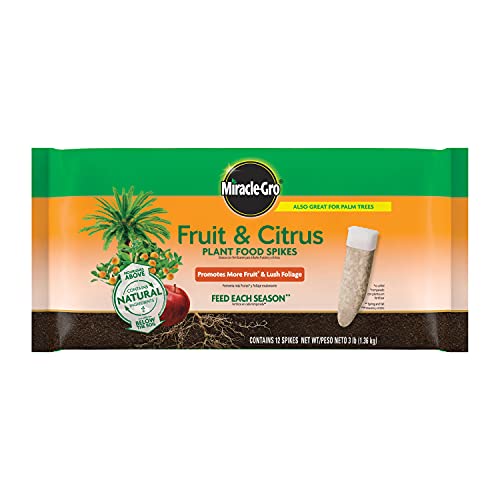
FORMULATED FOR CITRUS AND FRUIT TREES: Use these citrus fertilizer spikes on apple, orange, lemon, lime, and avocado trees; this formula is also great for feeding palm trees
Watering and Fertilizing Banana Trees
Proper watering and fertilizing are crucial for the health and productivity of banana trees in Lincoln, NE. Given the unique climate and soil conditions of the Great Plains, understanding the specific needs of these tropical plants can significantly enhance their growth and fruit yield. This section delves into effective watering techniques and fertilization strategies tailored for local conditions.
Water deeply once a week, adjusting frequency based on rainfall.
Apply a balanced fertilizer every 6-8 weeks during the growing season.
Monitor for signs of nutrient deficiency such as yellowing leaves.
These practices ensure robust growth and fruiting.
Frost Protection Strategies for Banana Trees
In Lincoln, NE, where the climate poses unique challenges for growing banana trees, understanding frost protection strategies is essential for successful cultivation. This section delves into effective methods to safeguard these tropical plants from frost damage, ensuring a fruitful harvest even in the unpredictable weather of the Great Plains.
Frost can damage banana trees, especially in Lincoln’s colder months. Implementing protective measures is essential for survival during winter.
Recommended Products

The Large plant cover is perfect for Plant size 55''-70"high and 84''-94" round, Heavy-weight FRCs (1.77oz./sq. yard): usually used to extend the growing season in spring and fall, allow 40%-60% light transmittance, and recommend 3°-8°F of freeze protection

PACKAGE: The package includes 4Pcs plant covers,will meet your daily use or replacement. Measuring 31.5" x 47.3", the plant protector is waterproof, windproof.

Revolutionary Anti-freeze Protection: Plant covers freeze protection is made of 100% Reliable non-woven thickened polypropylene fabric Because the frost cloth fabric Thickness is 3.2 oz/yd² thicker and warmer, tear resistant than less expensive 1.3 oz/yd² fabric. Provides up to 2° F(-17℃) frost protection. In winter, frost blankets for outdoor plants can form a insulation layer for plants to isolate cold air and retain the oxygen required for plant respiration
Frost Cloth Techniques for Banana Trees
In Lincoln, NE, protecting banana trees from frost is essential for a successful harvest. Implementing effective frost cloth techniques can safeguard these tropical plants during cold snaps, ensuring they thrive in the Great Plains climate. Understanding the best practices for using frost cloth will help local gardeners maximize their yields and maintain healthy banana trees.
Cover the plants with frost cloth or burlap during cold snaps.
Use mulch to insulate the roots and retain soil warmth.
Consider relocating pots indoors or to a greenhouse during extreme cold.
These methods help safeguard banana trees against frost damage.
Banana Harvesting Techniques for Lincoln Gardens
In Lincoln, NE, successfully harvesting bananas requires specific techniques tailored to the region’s climate and soil conditions. Understanding the unique challenges of the Great Plains can help gardeners maximize their yields and ensure the health of their banana trees. This section explores effective methods for harvesting bananas in local gardens, providing practical insights for enthusiasts.
Once established, banana trees can produce fruit within 9-12 months. Proper harvesting techniques are essential for enjoying the fruits of your labor.
Harvesting Ripe Bananas in Lincoln
Harvesting ripe bananas in Lincoln, NE requires a unique approach due to the region’s climate and growing conditions. Understanding the optimal timing and techniques for picking bananas can significantly impact the quality and flavor of the fruit. This section delves into the best practices for successfully harvesting bananas in the Great Plains.
Wait for the fruit to ripen on the plant, indicated by yellowing skin.
Cut the bunch from the tree using a sharp knife.
Allow bananas to ripen further at room temperature if needed.
Enjoying homegrown bananas is a rewarding experience.
Banana Cultivation Data and Requirements
Understanding the specific data and requirements for banana cultivation is crucial for successful growth in Lincoln, NE. This section delves into the essential factors such as climate, soil conditions, and care practices that contribute to thriving banana trees in the unique environment of the Great Plains. By examining these elements, aspiring growers can better navigate the challenges of cultivating this tropical fruit.
| Aspect | Requirement | Notes |
|---|---|---|
| Sunlight | 6-8 hours | Full sun is best |
| Soil pH | 5.5-7.0 | Test before planting |
| Water | Weekly deep watering | Adjust based on rainfall |
| Fertilization | Every 6-8 weeks | Use balanced fertilizer |
This table summarizes the essential requirements for successful banana cultivation in Lincoln.
Implementing these strategies will enable local gardeners to cultivate banana trees successfully, despite the region’s challenges.
