

Cherry trees can grow in Orlando, FL, but specific conditions must be met for successful cultivation. Choosing the right variety and understanding local climate factors are crucial for thriving cherry trees in Central Florida.
Best Cherry Tree Varieties for Central Florida
When considering cherry trees for Orlando, FL, it’s essential to choose varieties that thrive in the region’s unique climate. Central Florida’s warm temperatures and humidity can impact growth, so selecting the right types will ensure a successful gardening experience. This section explores the best cherry tree varieties suited for the area, focusing on their adaptability and fruiting potential.
Choosing the correct cherry tree variety is essential for successful growth in Orlando. The climate in Central Florida can be challenging for traditional cherry trees, which typically prefer cooler temperatures. However, certain varieties are better suited for warmer climates.
Sweet Cherry Trees: Varieties like ‘Bing’ may struggle in heat.
Sour Cherry Trees: ‘Montmorency’ is more adaptable to warmer conditions.
Ornamental Cherry Trees: ‘Yoshino’ and ‘Kwanzan’ thrive in warmer climates and offer beautiful blooms.
Recommended Products

WHAT YOU WILL RECEIVE: 2 Cherry blossom tree live plant approximately 6 - 12 inches tall, prepared for transplanting into garden soil or outdoor containers

Do not transplant into another container, only the ground. These are ready to plant and should be put in the ground according to the included instructions upon arrival. All pictures are of fully grown plants. Sizes shipped are in the title and description. Deciduous plants do not have leaves in the winter.

WHAT YOU WILL RECEIVE: A Cherry Blossom Tree live plant, arrived as a young starter tree suitable for transplanting into garden beds or outdoor containers.
Cherry Tree Soil and Sunlight Needs
Understanding the specific soil and sunlight requirements for cherry trees is crucial for successful cultivation in Orlando, Florida. The unique climate and soil conditions of Central Florida can significantly impact the growth and health of these trees. This section will detail the ideal conditions necessary to nurture cherry trees in this region.
Soil quality and sunlight exposure significantly impact cherry tree growth. Cherry trees prefer well-drained soil with a pH of 6.0 to 7.0. The right amount of sunlight is also crucial for fruit production.
Soil Preparation: Amend soil with organic matter to improve drainage.
Sunlight Needs: Ensure at least six hours of direct sunlight daily.
| Soil Type | pH Level | Drainage |
|---|---|---|
| Sandy Soil | 6.0-7.0 | Excellent |
| Clay Soil | 6.0-7.0 | Poor |
| Loamy Soil | 6.0-7.0 | Good |
Irrigation Techniques for Cherry Trees
Irrigation is crucial for the successful growth of cherry trees in Orlando’s unique climate. Given the region’s variable rainfall and potential drought conditions, implementing effective watering strategies is essential. This section explores various irrigation techniques tailored to ensure cherry trees thrive in Central Florida’s environment.
Proper watering practices are vital for cherry tree health. Overwatering can lead to root rot, while underwatering can stress the tree, affecting fruit production.
Watering Schedule: Water deeply once a week during dry spells.
Irrigation Systems: Consider drip irrigation for efficient moisture delivery.
Recommended Products

【INNOVATIVE 2-IN-1 TREE CLEANING & ROOT WATERING SYSTEM】 This unique 6.5FT spray pipe system is specially designed to spray water directly onto fruits, leaves, and delicate ornamental trees, helping remove dust, pollen, and surface residue. The falling water then naturally soaks into the soil, providing efficient root irrigation at the same time

1/2" Water-Saving & Durable Construction with Upgraded Formula: Our enhanced soaker hose blend delivers ultra-consistent water seepage while maximizing water savings, plus improved tensile strength, durability, and flexibility. It’s easy to handle, resistant to kinks, and built to stand up to long-term use in lawns, yards, landscaping, and tree watering applications.
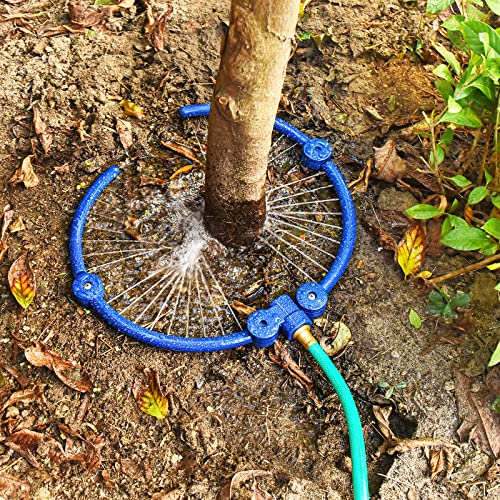
【Specially Designed for Trees and Shrubs】 The Watering Ring is a multi-purpose irrigation ring that attaches to a garden hose to efficiently water young trees shrubs vegetables or flower beds using drip or trickle irrigation.It directs water to the root perimeter of the plant to give them a good start during the first two growing seasons or through periods of drought.
Safeguarding Cherry Trees from Pests
Cherry trees in Orlando, Florida, can thrive with proper care, but they are susceptible to various pests that can threaten their health. Understanding how to safeguard these trees from common pests is essential for successful cultivation. This section will explore effective strategies to protect cherry trees and ensure they flourish in Central Florida’s unique climate.
Pests can pose a significant threat to cherry trees in Orlando. Regular monitoring and preventive measures are necessary to keep trees healthy.
Common Pests: Aphids, spider mites, and fruit flies.
Control Methods: Use organic insecticides and introduce beneficial insects like ladybugs.
Recommended Products
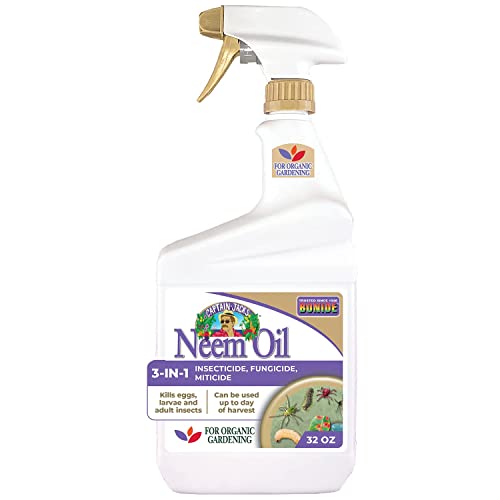
MULTI-PURPOSE BUG KILLER - Bonide Neem Oil is a perfect pest control solution for any garden dealing with mites, flies, mildew, and more. This product is a three-in-one fungicide, miticide, and insecticide.
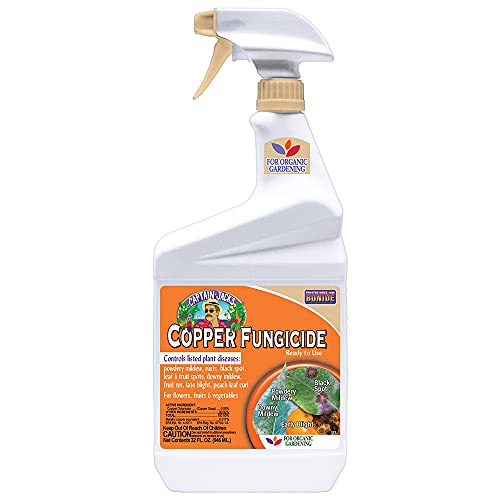
Control fungus and disease in your garden with Captain Jack’s ready-to-use Liquid Copper Fungicide!

EFFECTIVE SPIDER MITE, POWDERY MILDEW & PLANT DISEASE CONTROL – Natural miticide and spider mite killer effective against two-spotted spider mites, broad mites, russet mites, whiteflies, aphids, powdery mildew, and downy mildew on vegetables, flowers, houseplants, indoor plants, ornamentals, and garden crops.
Fertilization Strategies for Cherry Trees
Fertilizing cherry trees in Orlando requires a tailored approach to accommodate the region’s unique climate and soil conditions. Proper nutrition is essential for promoting healthy growth and vibrant blooms, ensuring that these trees thrive in Central Florida. Understanding the right fertilization strategies can make all the difference in cultivating a successful cherry tree garden.
Fertilization plays a key role in cherry tree health and productivity. A balanced fertilizer can enhance growth and fruit yield.
Fertilizer Type: Use a slow-release, balanced fertilizer.
Application Timing: Fertilize in early spring before new growth starts.
| Fertilizer Type | N-P-K Ratio | Application Rate |
|---|---|---|
| Balanced Fertilizer | 10-10-10 | 1 lb per 100 sq ft |
| Organic Fertilizer | Varies | Follow package instructions |
Cherry Tree Pruning Techniques for Florida
Pruning cherry trees in Florida requires specific techniques to ensure healthy growth and fruit production. Given the unique climate of Central Florida, understanding the best practices for pruning can help maintain the tree’s shape and vitality. This section will outline effective pruning methods tailored to the needs of cherry trees in Orlando’s environment.
Pruning is essential for maintaining the shape and health of cherry trees. Proper techniques can enhance air circulation and sunlight penetration.
Timing: Prune in late winter or early spring.
Methods: Remove dead or crossing branches and thin out overcrowded areas.
Disease Surveillance for Cherry Trees
In Orlando, Florida, cherry trees face unique challenges from local diseases that can impact their growth and health. Understanding the common ailments that affect these trees is crucial for successful cultivation in Central Florida’s climate. This section delves into the key diseases to watch for and offers guidance on effective surveillance and management strategies.
Diseases can affect cherry trees in Florida, especially during humid conditions. Regular observation and early intervention can prevent severe issues.
Common Diseases: Powdery mildew and bacterial canker.
Prevention: Ensure good air circulation and avoid overhead watering.
Cherry Tree Growth Strategies for Orlando
Growing cherry trees in Orlando requires careful planning and management. Selecting the right variety, ensuring proper soil conditions, and implementing effective pest control are crucial steps. Regular maintenance, including watering, fertilizing, and pruning, will lead to healthier trees and better fruit production.
