

Banana trees can thrive in Hawaii’s tropical climate, making them an excellent choice for local gardeners. With proper care and attention to environmental conditions, you can successfully grow these plants and enjoy fresh bananas year-round.
Hawaii’s Ideal Conditions for Banana Growth
Hawaii’s climate is characterized by warm temperatures and high humidity, which are ideal for growing banana trees. The average temperature ranges from 70 to 85 degrees Fahrenheit, creating a perfect environment for these tropical plants. Additionally, the consistent rainfall and well-draining volcanic soil contribute to robust growth.
Banana trees require a few key conditions to flourish. These include:
Full sun exposure for at least six hours daily.
Protection from strong winds to prevent damage to the leaves.
Adequate moisture without waterlogging.
Choosing Ideal Banana Varieties for Hawaii
Selecting the right banana varieties is crucial for successful cultivation in Hawaii’s unique climate. With its diverse microclimates and soil types, understanding which bananas thrive can significantly impact yield and flavor. This section explores the best banana options tailored for Hawaii’s growing conditions, ensuring a fruitful harvest.
Choosing the right banana variety is crucial for successful cultivation in Hawaii. Different varieties have specific growth requirements and yield characteristics.
Some popular varieties for Hawaiian gardens include:
| Banana Variety | Growth Height | Fruit Size | Yield per Plant |
|---|---|---|---|
| Dwarf Cavendish | 4-5 feet | 6-8 inches | 30-50 lbs |
| Apple Banana | 6-10 feet | 4-6 inches | 40-60 lbs |
| Blue Java | 10-15 feet | 7-9 inches | 30-40 lbs |
Dwarf Cavendish is ideal for smaller spaces, while Apple Bananas offer a unique flavor. Blue Java, known for its blueish hue, is also a popular choice.
Recommended Products
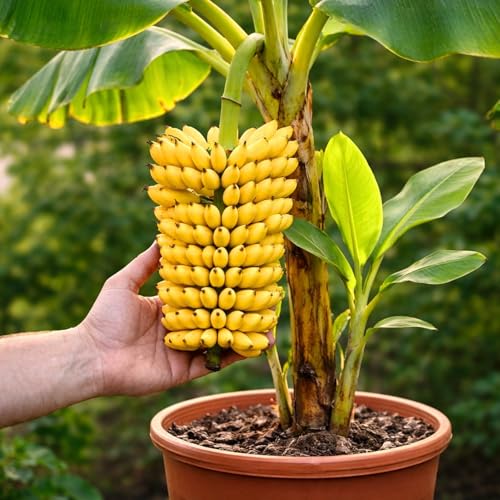
🍌 Premium Banana Seeds: High-quality banana seeds selected for planting and growing healthy tropical banana plants.

Growing banana plants at home promotes sustainability and self-sufficiency. Customers can reduce their reliance on store-bought bananas, which often come from far distances, and enjoy the satisfaction of harvesting their own organic fruit.

Soil Preparation for Banana Tree Cultivation
Successful banana tree cultivation in Hawaii begins with proper soil preparation, which is crucial for healthy growth and fruit production. Understanding the unique soil requirements and amendments needed for optimal conditions can significantly enhance the yield and vitality of these tropical plants. This section will guide you through the essential steps to create the ideal environment for your banana trees.
Soil preparation is essential for healthy banana tree growth. The soil should be rich in organic matter and have good drainage to prevent root rot.
Follow these steps for optimal soil preparation:
Test the soil pH to ensure it is between 5.5 and 7.0.
Incorporate organic compost to enhance nutrient content.
Add mulch around the base to retain moisture and suppress weeds.
A well-prepared soil will provide the necessary nutrients for strong root development and fruit production.
Recommended Products

100% Natural: Custom blend for your indoor potted banana trees

🌱 High-Quality Ingredients: Our Banana Tree Potting Mix is carefully crafted using premium ingredients such as Canadian Peat Moss, New Zealand Bark, Worm Castings, Perlite, Sand, and Lime, ensuring optimal nutrition and growth for your banana trees.

【Natural & Organic】Our specially designed soil blend contains the precise balance of essential minerals and organic matter to support healthy root development and fruit production in banana plants
Irrigation and Nutrient Management for Bananas
Effective irrigation and nutrient management are crucial for cultivating healthy banana trees in Hawaii’s tropical climate. Understanding the specific water and nutrient needs of these plants can significantly enhance growth and fruit production. This section delves into best practices for ensuring optimal conditions for banana cultivation in the unique Hawaiian environment.
Banana trees require consistent moisture, especially during the growing season. However, overwatering can lead to root problems.
Implement these watering and fertilizing strategies:
Water deeply once a week, adjusting frequency based on rainfall.
Use a balanced fertilizer high in potassium every 6-8 weeks.
Monitor leaf color for signs of nutrient deficiencies.
Proper watering and fertilization will result in healthier plants and larger fruit.
Recommended Products
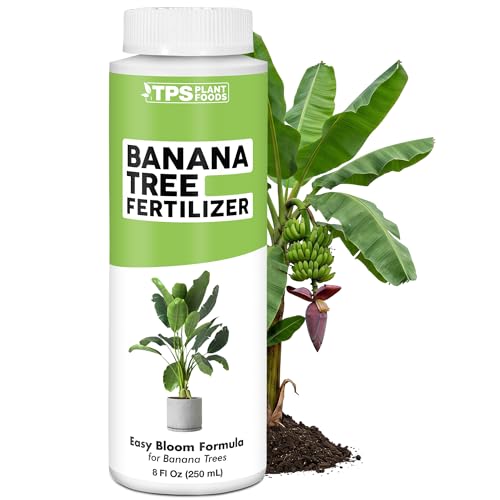
Made for Banana Trees – Specially formulated banana fertilizer designed to support the nutrient needs of banana plants.

2X MORE VALUE: The 16 oz bottle of Banana Plant Fertilizer makes 16 gallons of banana fertilizer for fruit trees, while the bigger size 32 oz bottle makes 32 gallons for lasting care of your banana trees.

PREMIUM FUEL LIQUID FERTILIZER: Wellspring Gardens Banana Fuel Liquid Fertilizer Concentrate provides a quality nutrient blend with minor elements that could grow your plants. Its 3-1-6 formula ratio is the ideal fertilizer ration according to University of Florida which is what our product is made of.
Pest and Disease Control for Banana Trees
Maintaining the health of banana trees in Hawaii requires vigilant pest and disease control strategies. The tropical climate can attract various pests and pathogens that threaten the growth and yield of these plants. Understanding common issues and effective management practices is essential for successful banana cultivation in this lush environment.
Pests and diseases can threaten banana tree health. Regular monitoring and proactive measures are essential for prevention.
Common pests include:
Aphids: Small insects that can weaken plants.
Spider mites: Cause leaf discoloration and damage.
Banana weevils: Attack the roots and pseudostems.
To combat these pests:
Apply insecticidal soap as a preventive measure.
Remove any infected leaves to reduce disease spread.
Encourage beneficial insects that prey on harmful pests.
A vigilant approach will help maintain a healthy banana grove.
Banana Harvest Timing and Enjoyment
Understanding the timing of banana harvests in Hawaii is crucial for maximizing both yield and flavor. This section delves into the ideal periods for harvesting bananas, highlighting the nuances of ripening and the best practices for enjoying this tropical fruit at its peak. Discover how to ensure your banana trees provide the most delicious and abundant harvest possible.
Harvesting bananas requires patience and timing. Bananas typically take 9-12 months to mature after flowering.
Follow these guidelines for harvesting:
Observe the color of the bananas; they should turn from green to yellow.
Cut the bunch with a sharp knife to avoid damaging the plant.
Allow bananas to ripen at room temperature for optimal flavor.
Enjoying your homegrown bananas is the ultimate reward for your hard work.
Banana Cultivation Problem Solutions
Banana cultivation in Hawaii presents unique challenges that can hinder successful growth. Understanding these issues is crucial for farmers and enthusiasts alike, as they navigate factors such as pests, diseases, and environmental conditions. This section explores effective solutions to common problems faced in banana farming, ensuring a thriving crop in the tropical climate.
Even with the best care, issues may arise during banana cultivation. Identifying and addressing these problems early can save your plants.
Common issues include:
| Problem | Symptoms | Solution |
|---|---|---|
| Leaf discoloration | Yellowing or browning edges | Adjust watering or fertilization |
| Stunted growth | Small plants with few leaves | Check for pests or nutrient deficiencies |
| Poor fruit production | Small or no fruit | Ensure proper sunlight and nutrients |
Addressing these problems promptly will help maintain a thriving banana garden.
