

Ever wondered if you can prune a tree with a lopper? Picture this: you have a lush tree in your yard, but it’s getting a bit unruly. You’re not sure if your trusty lopper can handle the job. That’s where we come in to guide you through the process.
In this article, we’ll explore the possibilities of using a lopper to prune your tree effectively. You’ll discover the ease and convenience of this method, saving you time and effort in maintaining your trees. Let’s delve into the world of tree pruning with a lopper and unlock the secrets to a well-groomed garden.
What is tree pruning?
Tree pruning refers to the careful removal of branches to improve the health, appearance, and safety of a tree. This practice involves strategic cutting of specific parts of the tree, such as dead or diseased branches, to promote growth and shape the tree. Tree pruning is essential for maintaining optimal tree health and ensuring the safety of your surroundings.
When done correctly, tree pruning can enhance the overall aesthetics of your garden or landscape. By removing unwanted or overgrown branches, you can reshape the tree to achieve a more balanced and visually appealing appearance. Additionally, pruning can help prevent disease and pest infestations by eliminating potential entry points for harmful organisms.
One key aspect of tree pruning is knowing when to prune. Different tree species have varying growth habits, which means they require pruning at specific times of the year. Understanding the seasonal requirements of your trees is crucial to maximizing the benefits of pruning and promoting healthy growth.
In essence, tree pruning is a vital practice that can help you maintain the beauty and health of your trees. By investing time and effort into proper pruning techniques, you can enjoy a lush and thriving landscape for years to come.
Understanding loppers
When it comes to tree pruning, loppers are versatile tools that can handle a variety of cutting tasks. They’re great for reaching branches that are up to 2 inches thick and giving you more leverage compared to regular pruners.
Loppers come in two main types: anvil and bypass. Anvil loppers have a single blade that closes onto a flat edge, making them ideal for deadwood pruning. Bypass loppers, on the other hand, work like scissors with two blades that pass by each other to make clean cuts on living branches.
Using loppers requires proper technique. Start by identifying the branch collar—the raised area where the branch meets the trunk—and make your cut just outside this area. This helps the tree heal properly and reduces the risk of disease.
To ensure your loppers stay effective, keep the blades clean and sharp. Clean them with a damp cloth after each use and sharpen them as needed. Dull blades can crush branches instead of cleanly cutting them, leading to damage and disease.
Recommended Products

CHOPS THROUGH 2-INCH BRANCHES EFFORTLESSLY: The compound action mechanism multiplies your cutting power for fast removal of dry, dead and woody growth. This anvil-style blade is built for the toughest preparatory cuts and cut-to-length work, making heavy-duty pruning dramatically easy through extra leverage.

IDEAL BRANCH TRIMMER: Fiskars 28-Inch Power-Lever Bypass Garden Lopper glides through branches up to 1.75" thick for easy cuts; Works well for trimming tree branches to maintain your yard and garden and encourage overall plant health and appearance

IDEAL BRANCH TRIMMER: 28" Steel blade garden bypass lopper that glides through up to 1.5" thick branches for easy cuts; Works well for trimming tree branches to maintain your yard and garden, and to encourage overall plant health and appearance
Can a lopper be used for tree pruning?
Loppers are indeed a great tool for tree pruning. With their long handles and sharp blades, loppers are effective for cutting branches up to 2 inches thick. They provide the extra reach and cutting power you need for pruning tasks that are too big for pruning shears but not large enough to require a saw.
Recommended Products

IDEAL FOR PRUNING GREEN GROWTH: Bypass blade design perfect for cutting tree branches up to 1-1/2 inches

IDEAL TREE BRANCH CUTTER: 32" Steel blade bypass lopper that glides through up to 2" thick branches for easy cuts; Tree Pruner that works well for trimming tree branches to maintain your yard and garden

Cut Live Branches Up to 1.5 Inches Thick: This bypass tree trimmer is perfect for trimming green wood, helping you keep your yard tidy, promote healthy plant growth, and enhance the beauty of your outdoor space
Benefits of Using a Lopper for Tree Pruning
- Ease of Use: Loppers are easy to handle and require less effort than a pruning saw.
- Precision: They allow for more precise cuts compared to using a saw on smaller branches.
- Promotes Tree Health: Proper pruning with loppers can help the tree heal faster and reduce the risk of disease.
How to Properly Use a Lopper for Tree Pruning
- Identify the Branch Collar: Before cutting, locate the branch collar—the swollen area where the branch attaches to the tree.
- Make Clean Cuts: Position the lopper blade just outside the branch collar and make a clean cut to promote efficient healing.
- Avoid Crushing: Sharp blades are crucial to prevent crushing the branch. Ensure your lopper blades are clean and sharpened regularly.
Avsluttende tanker
Loppers are versatile and convenient tools for tree pruning tasks. When used correctly, they can help you maintain healthy and well-shaped trees in your garden or landscape.
Tips for pruning a tree with a lopper
When it comes to pruning a tree with a lopper, there are a few essential tips to keep in mind to ensure optimal results:
- Choose the Right Lopper: Select a lopper with sharp blades and a length that matches the size of branches you’ll be pruning.
- Identify Branch Collar: Locate the swollen area where the branch is attached to the tree trunk, known as the branch collar. This is where you’ll want to make your cut.
- Make Clean Cuts: Position your lopper blades just outside the branch collar and make a clean cut to avoid damaging the tree.
- Use Proper Technique: Position yourself correctly to have better leverage when cutting thicker branches.
- Check Blade Sharpness: Ensure your lopper blades are sharp before starting to prevent crushing branches instead of making clean cuts.
- Prune at the Right Time: Select the appropriate season for pruning to promote tree health and growth.
By following these tips, you can effectively prune your trees using a lopper and maintain their health and appearance.
Recommended Products
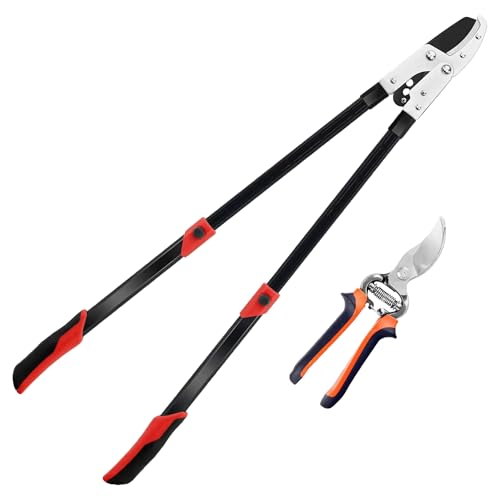
LONG LASTING SHARP: tree branch cutter alloy steel blade with teflon coated and low-friction coating that will long lasting sharp after tough job. Tree pruner is ideal for trimming green living or dry branches, chop through thick branches effortlessly

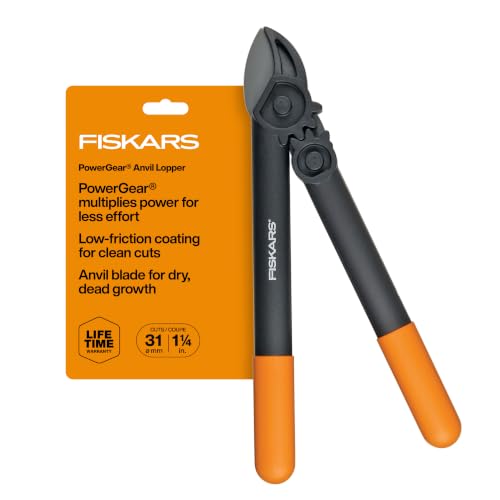
IDEAL BRANCH TRIMMER: Fiskars 15-Inch Anvil PowerGear Super Pruner glides through branches up to 1.25" thick for easy cuts on dry, dead growth; trim tree branches to maintain your yard and garden and maintain overall plant health and appearance
Benefits of using a lopper for tree pruning
When it comes to pruning trees, using a lopper can offer you numerous benefits:
- Efficiency: With their long handles, loppers allow you to reach higher branches with ease.
- Precision: The sharp blades on loppers ensure clean and precise cuts, promoting tree health.
- Control: You have better control over the cutting process, minimizing the risk of damaging surrounding branches.
- Safety: Loppers help you stay at a safe distance from thorny or dense areas while pruning.
- Ease of Use: Their lightweight design makes loppers easy to handle and maneuver when working in the garden.
Overall, incorporating a lopper into your tree pruning routine can make the task more manageable and yield better results for your trees’ health and appearance.
Conclusion
Using a lopper for tree pruning offers numerous advantages that can enhance your pruning experience. From reaching higher branches with ease to ensuring precise cuts for tree health, a lopper provides you with better control and safety during the pruning process. By incorporating a lopper into your tree maintenance routine, you can achieve improved results in keeping your trees healthy and visually appealing. Happy pruning!
Frequently Asked Questions
How can using a lopper benefit tree pruning?
Using a lopper for tree pruning offers several advantages. It helps reach higher branches efficiently, ensures clean cuts for tree health, provides better control to prevent damage, enhances safety by maintaining distance from hazards, and is easy to use due to its lightweight design.
What improvements can be expected by incorporating a lopper into tree pruning routines?
Incorporating a lopper into tree pruning routines can make the task more manageable and lead to improved results in maintaining tree health and appearance.
