

Do you dream of stepping into your backyard and plucking fresh, juicy fruits right off the tree? Imagine the satisfaction of growing your fruit trees, but the challenge lies in choosing the right ones for your climate. In zone 7b, finding fruit trees that thrive can be a game-changer for your garden.
Picture this: you’re eager to cultivate your mini orchard, but you’re unsure where to start. Which fruit trees will flourish in your area? This article unveils the top picks for zone 7b, guiding you towards a fruitful harvest. Discover the best fruit trees suited for your region and unlock the secrets to a successful garden. Let’s embark on this journey together and transform your outdoor space into a bountiful oasis.
Key Takeaways
- Understand the climate conditions of Zone 7b, characterized by mild winters and specific frost dates, to choose fruit trees that can thrive in this region.
- Consider factors like soil compatibility, sunlight requirements, pollination needs, space considerations, and disease resistance when selecting fruit trees for Zone 7b.
- Popular fruit tree varieties such as apples (e.g., Honeycrisp), pears (e.g., Bartlett), and cherries (e.g., Montmorency) are well-suited for cultivation in Zone 7b.
- Properly prepare the soil, select the right location, follow correct planting techniques, maintain a consistent watering schedule, and implement pest and disease management for successful fruit tree cultivation.
- Regular pruning, appropriate fertilization, mulching, and choosing disease-resistant varieties are essential for ensuring healthy growth and abundant fruit production in Zone 7b.
Understanding Zone 7b
To effectively choose the best fruit trees suited for Zone 7b, it’s crucial to have a solid understanding of the climate conditions typical to this zone. Here’s a concise overview to help you make informed decisions:
Typical Characteristics of Zone 7b
In Zone 7b, you can expect mild winters with temperatures ranging between 5°F and 10°F (-15°C and -12°C). This means that the region experiences cold winters, but not as severe as those in zones with lower numbers.
Frost Dates in Zone 7b
In Zone 7b, the last frost date usually falls around mid to late April, while the first frost date occurs in mid to late October. Understanding these dates is vital as they delineate the period during which it’s safe to plant frost-sensitive fruit trees.
Soil Types in Zone 7b
Zone 7b encompasses various soil types, including loamy, sandy, and clay soils. Before selecting fruit trees, it’s beneficial to assess your soil’s drainage, pH levels, and fertility to ensure optimal growth conditions for your trees.
Rainfall and Sunlight
Zone 7b typically receives a moderate amount of rainfall per year, which is essential for fruit tree growth. Additionally, fruit trees in this zone thrive in areas with full sun exposure, generally requiring at least 6-8 hours of sunlight daily.
- Apple Trees: Varieties like Honeycrisp, Gala, and Fuji are well-suited for Zone 7b due to their adaptability to cold winters and moderate summers.
- Pear Trees: Consider planting Bartlett or Bosc pear trees, known for their delicious fruits and ability to withstand Zone 7b’s climate.
- Cherry Trees: Sour cherry varieties such as Montmorency are excellent choices for Zone 7b, offering tart fruits perfect for pies and preserves.
By familiarizing yourself with the unique characteristics of Zone 7b, you can confidently select fruit trees that will thrive in your garden and provide you with a bountiful harvest.
Factors to Consider When Choosing Fruit Trees
When selecting fruit trees for Zone 7b, it’s crucial to consider several factors to ensure successful cultivation in your garden. Here are essential considerations to help you choose the best fruit trees for your outdoor space:
Climate Suitability
Ensure the fruit trees you select are suitable for Zone 7b’s climate, which features mild winters and specific frost dates. Look for trees that can withstand the cold temperatures typical of the region to ensure their survival and fruit production.
Soil Compatibility
Check the soil composition in your garden to determine its pH level and drainage properties. Different fruit trees thrive in specific soil conditions, so it’s vital to choose trees that can adapt to your soil type for optimal growth and fruit yield.
Sunlight Requirements
Evaluate the amount of sunlight your garden receives throughout the day. Most fruit trees require full sun exposure to thrive and produce abundant fruit. Ensure your chosen trees can receive adequate sunlight in your garden to promote healthy growth.
Pollination Needs
Some fruit tree varieties require cross-pollination to produce fruit, while others are self-pollinating. Understand the pollination requirements of the fruit trees you’re considering to ensure successful fruit production. Planting compatible trees nearby can enhance pollination and increase your harvest.
Space Considerations
Consider the mature size of the fruit trees you plan to grow to ensure they have enough space to develop fully. Avoid overcrowding by spacing out trees appropriately based on their expected growth size and pruning requirements.
Disease Resistance
Choose fruit tree varieties known for their resistance to common diseases and pests in Zone 7b. Opting for disease-resistant trees can help minimize the need for chemical interventions and promote overall tree health and fruit quality.
By carefully considering these factors when selecting fruit trees for Zone 7b, you can create a thriving garden filled with healthy, productive fruit trees that will delight you with bountiful harvests.
Top Fruit Trees for Zone 7b
When choosing fruit trees for Zone 7b, you want to opt for varieties that can thrive in the specific climate conditions of the region. Here are some top fruit trees that are well-suited for cultivation in Zone 7b:
Apple Trees
Apple trees are a popular choice for Zone 7b due to their versatility and ability to withstand cold winters. Varieties such as Honeycrisp and Fuji are excellent options for your garden. These trees not only offer delicious fruit but also add aesthetic value to your outdoor space.
Pear Trees
For those looking to plant pear trees in Zone 7b, the Bartlett variety is highly recommended. Bartlett pears are known for their sweet and juicy taste, making them a favorite among fruit enthusiasts. Planting a Bartlett pear tree can be a rewarding experience as you watch it grow and produce delectable fruits.
Cherry Trees
If you enjoy fresh cherries, consider planting cherry trees like Bing or Rainier in Zone 7b. These trees require proper care and maintenance but can yield an abundance of flavorful cherries when grown in suitable conditions. Adding a cherry tree to your garden can provide you with an ample supply of these nutritious fruits.
Peach Trees
Peach trees, particularly varieties like Elberta and Redhaven, thrive well in Zone 7b. These trees can produce juicy peaches that are perfect for snacking or using in various culinary dishes. By planting peach trees in your garden, you can enjoy the delightful taste of homegrown peaches during the harvesting season.
Plum Trees
Plum trees, including the Santa Rosa and Methley varieties, are excellent choices for Zone 7b orchards. These trees offer a bountiful harvest of plump, flavorful plums that can be enjoyed fresh or used in jams and preserves. Incorporating plum trees into your fruit tree collection can diversify your harvest and provide you with a range of culinary options.
Choosing the right fruit trees for Zone 7b involves considering factors such as climate suitability, soil compatibility, sunlight requirements, pollination needs, space considerations, and disease resistance. By selecting suitable fruit tree varieties and providing them with proper care, you can create a thriving fruit garden in Zone 7b that yields an abundance of delicious fruits for you to enjoy.
Tips for Successful Fruit Tree Cultivation
Recommended Products
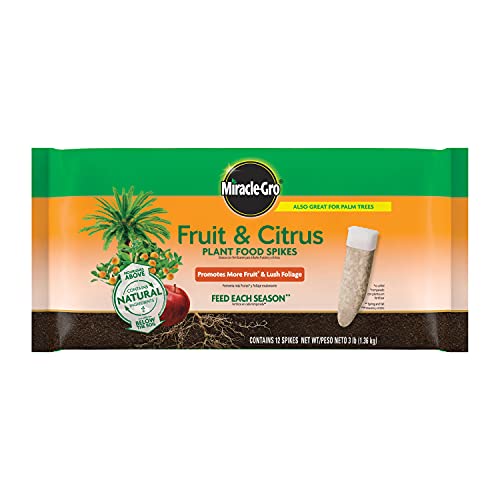
FORMULATED FOR CITRUS AND FRUIT TREES: Use these citrus fertilizer spikes on apple, orange, lemon, lime, and avocado trees; this formula is also great for feeding palm trees

Let our professionally formulated plant food help your fruit tree grow healthy, strong AND abundantly producing

Selecting the Right Location
Position your fruit trees in an area that receives plenty of sunlight and has good drainage. Ensure there is ample space for the tree to grow and spread its roots comfortably. Avoid planting near buildings or under large trees that may shade the fruit tree.
Soil Preparation
Before planting, test the soil pH and ensure it is appropriate for the specific fruit tree you plan to grow. Amend the soil with compost or organic matter to improve fertility and drainage. Proper soil preparation helps fruit trees establish strong root systems for optimal growth.
Planting Technique
Dig a hole twice as wide and just as deep as the tree’s root ball. Place the tree at the same depth it was in the container, making sure not to plant too deeply. Backfill the hole with soil, gently tamp it down, and water thoroughly to eliminate air pockets around the roots.
Watering Schedule
Provide consistent watering, especially during the tree’s establishment phase. Deep watering is preferable to frequent shallow watering as it encourages deep root growth. Adjust watering frequency based on weather conditions, ensuring the soil remains consistently moist but not waterlogged.
Pruning and Training
Regular pruning helps shape the tree, promotes healthy growth, and improves fruit production. Remove dead or diseased branches and thin out crowded areas to allow for better air circulation. Follow proper pruning techniques appropriate for the specific fruit tree species.
Pest and Disease Management
Keep an eye out for common pests and diseases that may affect fruit trees in your area. Implement appropriate pest control measures such as using organic sprays or traps. Choose disease-resistant varieties when possible to minimize the risk of infections.
Fertilization
Apply fertilizers at the right time and in the correct amounts to support the tree’s nutrient needs. Avoid over-fertilization, which can harm the tree. Consider organic fertilizers or slow-release formulas for a more sustainable approach to feeding your fruit trees.
Mulching
Mulch around the base of the tree to retain soil moisture, regulate soil temperature, and suppress weed growth. Use organic mulch like wood chips or compost, applying a layer a few inches thick but keeping it a few inches away from the trunk to prevent rot.
Conclusion
You’ve now explored a variety of fruit trees perfect for thriving in Zone 7b. By understanding your climate, soil, and sunlight needs, you can successfully grow delicious fruits in your own backyard. From apples like Honeycrisp to pears such as Bartlett, and cherries, peaches, and plums like Bing, Elberta, and Santa Rosa, there’s a diverse range to choose from. Remember, selecting the right location, proper soil preparation, and consistent care are key to a fruitful harvest. By following the tips outlined, you’ll be on your way to enjoying a bountiful supply of fresh fruits from your very own garden. Happy planting!
Frequently Asked Questions
Which fruit trees are recommended for cultivation in Zone 7b?
Apple varieties such as Honeycrisp and pear trees like Bartlett are great for Zone 7b. Other top choices include cherry, peach, and plum trees, with specific varieties such as Bing, Elberta, and Santa Rosa.
What are some tips for successful fruit tree cultivation in Zone 7b?
Choose a suitable location with good sunlight and drainage, prepare the soil well, follow proper planting techniques, establish a watering schedule, practice regular pruning and training, manage pests and diseases effectively, provide appropriate fertilization, and use mulching to promote optimal growth and fruit production.
How can I ensure my fruit trees thrive in Zone 7b?
By understanding the climate conditions, soil types, and sunlight requirements of the specific fruit trees selected for Zone 7b, and following the recommended tips for successful cultivation, you can help ensure that your fruit trees thrive and produce healthy, abundant fruit in this region.
