

Are you dreaming of a backyard filled with lush fruit trees that thrive in Southeast Georgia’s warm climate? Picture yourself picking fresh, juicy fruits right from your own garden. But which fruit trees are best suited for this region? Imagine having a variety of delicious fruits growing effortlessly in your yard, ready to be enjoyed by you and your loved ones.
Have you ever wondered which fruit trees can withstand the heat and humidity of Southeast Georgia while still producing bountiful harvests? Envision the satisfaction of growing your own fruits, knowing that you’ve chosen the perfect trees for your specific location.
Key Takeaways
- Understanding the climate of Southeast Georgia is crucial when selecting fruit trees for your garden, considering the hot and humid summers, mild winters, and abundant rainfall.
- Peach trees, fig trees, and satsuma orange trees are among the best fruit trees for Southeast Georgia, thriving in the warm temperatures and moderate winters of the region.
- Proper planting and care techniques, such as selecting a sunny spot, ensuring good drainage, and using organic fertilizers, are essential for the successful growth of fruit trees in Southeast Georgia.
- Implementing integrated pest management techniques, encouraging beneficial insects, and using organic remedies can help protect fruit trees from common pests and diseases in Southeast Georgia.
Understanding the Southeast Georgia Climate
In Southeast Georgia, the climate plays a pivotal role in determining which fruit trees will thrive in your backyard. This region experiences hot and humid summers, mild winters, and a significant amount of rainfall throughout the year. Understanding these climatic factors is essential in selecting fruit trees that can withstand the challenges posed by this environment.
Hot and Humid Summers
Southeast Georgia is known for its hot and humid summers, with temperatures often soaring above 90°F (32°C). The combination of high heat and humidity can be stressful for many fruit trees, impacting their growth and fruit production. When choosing fruit trees for your garden, opt for varieties that are heat-tolerant and can adapt to the sweltering summer conditions.
Mild Winters
Unlike some northern regions, Southeast Georgia experiences relatively mild winters. While frost can still occur, it is generally less severe compared to colder climates. This milder winter weather allows for a longer growing season for fruit trees that may not thrive in areas with harsher winters. Consider selecting fruit trees that do not require a significant amount of chill hours to ensure successful growth and fruiting.
Abundant Rainfall
Southeast Georgia receives ample rainfall throughout the year, which can be both beneficial and challenging for fruit trees. Adequate moisture is essential for fruit tree growth, but excessive rainfall can lead to issues such as root rot. When planting fruit trees in this region, ensure proper drainage to prevent waterlogged soil and potential damage to the trees’ root systems.
Best Fruit Trees for Southeast Georgia
Taking into account the unique climate of Southeast Georgia, some fruit trees are particularly well-suited for this region. Varieties such as peach trees, fig trees, and satsuma orange trees thrive in the warm temperatures and moderate winters of Southeast Georgia. These fruit trees not only withstand the climate but also produce delicious fruits that you can enjoy fresh from your own backyard.
By understanding the climate of Southeast Georgia and its impact on fruit tree cultivation, you can make informed decisions when selecting the best fruit trees for your garden. Choose varieties that can thrive in the heat, adapt to the humidity, and flourish in the generous rainfall of this vibrant region. With the right knowledge and careful planning, you can create a fruitful garden oasis that delights your senses year after year.
Best Fruit Trees for Southeast Georgia
When selecting fruit trees for your backyard in Southeast Georgia, it’s crucial to consider the region’s warm climate. The hot and humid summers, mild winters, and abundant rainfall characteristic of the area require fruit trees that can thrive under these conditions. Here are some of the best fruit trees to consider planting in Southeast Georgia:
Recommended Products

Live Belle of Georgia Peach Tree – Classic fruit-bearing tree that produces large, sweet white-fleshed peaches with a beautiful blush-pink skin

***Due to California Department of Agriculture we CAN NOT ship this item to the state of California***
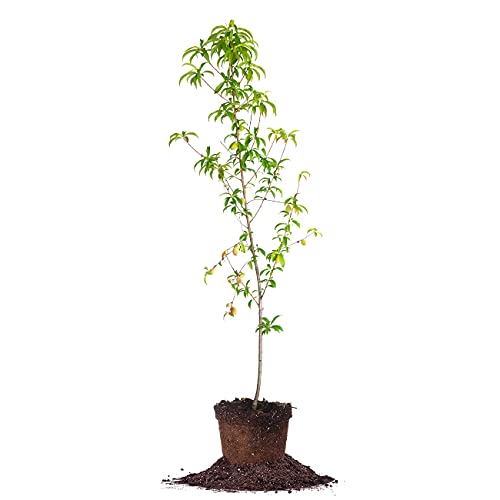
for growers looking for a moderate weather loving fruit cultivar, the Belle of Georgia white peach tree is the perfect choice. this fruit tree produces delicious white flesh peaches and tolerates many environments
Peach Trees
Peach trees are well-suited for the climate of Southeast Georgia. They require full sun and well-drained soil. Varieties like ‘Elberta’ and ‘Georgia Belle’ are popular choices known for their delicious fruit and adaptability to the region’s weather conditions.
Fig Trees
Fig trees are another excellent option for Southeast Georgia. They are relatively low-maintenance and can tolerate the heat and humidity of the region. Varieties such as ‘Brown Turkey’ and ‘Celeste’ produce sweet fruit and are ideal for home gardens in the area.
Satsuma Orange Trees
Satsuma orange trees are a favorite for their easy-to-peel, sweet fruit. These trees are cold-hardy compared to other citrus varieties, making them suitable for the mild winters of Southeast Georgia. Varieties like ‘Owari’ and ‘Brown’s Select’ thrive in the region’s climate.
Persimmon Trees
Persimmon trees are also well-adapted to the conditions of Southeast Georgia. They produce vibrant orange fruit that is sweet when ripe. Varieties such as ‘Fuyu’ and ‘Tamopan’ are popular choices for home orchards in the area.
Pecan Trees
Pecan trees are a staple in Southern orchards, including those in Southeast Georgia. They require well-drained soil and regular watering. Varieties like ‘Elliot’ and ‘Desirable’ are suitable for the region and produce delicious nuts that can be enjoyed fresh or used in various recipes.
Incorporating these fruit trees into your backyard garden in Southeast Georgia can yield a bountiful harvest while complementing the climate of the region. Ensure to plant them in the right location with proper care to enjoy a thriving fruit orchard.
Planting and Caring Tips for Fruit Trees
When it comes to planting and caring for fruit trees, especially in a region like Southeast Georgia with its warm climate and abundant rainfall, following some essential tips can help ensure your fruit trees thrive and bear delicious fruits. Here are some practical guidelines to help you with the planting and maintenance process:
Recommended Products

【INNOVATIVE 2-IN-1 TREE CLEANING & ROOT WATERING SYSTEM】 This unique 6.5FT spray pipe system is specially designed to spray water directly onto fruits, leaves, and delicate ornamental trees, helping remove dust, pollen, and surface residue. The falling water then naturally soaks into the soil, providing efficient root irrigation at the same time
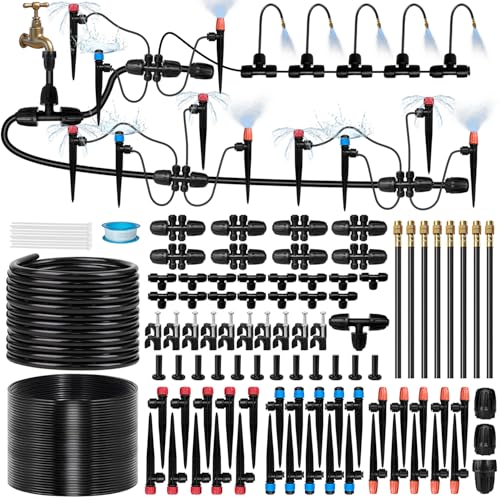
【Upgraded Tube Design & Water Saving】 Our garden watering system is upgraded to 1/2” diameter to support high water pressure. The 1/2” tee connector allows seamless splitting into 2 independent zones for customized watering schedules. By delivering moisture directly to root zones, this drip Irrigation system significantly reduces evaporation and runoff—saving more water compared to conventional sprinklers while eliminating the need for manual watering.
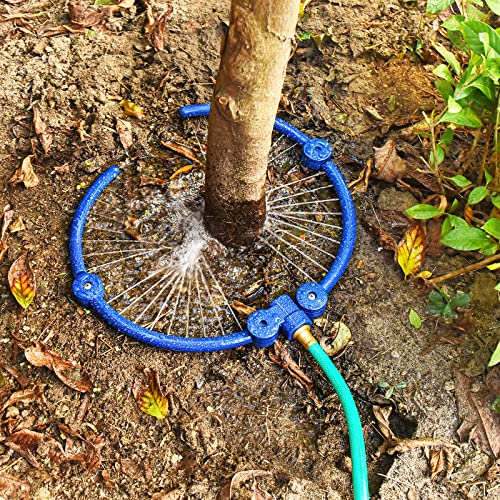
【Specially Designed for Trees and Shrubs】 The Watering Ring is a multi-purpose irrigation ring that attaches to a garden hose to efficiently water young trees shrubs vegetables or flower beds using drip or trickle irrigation.It directs water to the root perimeter of the plant to give them a good start during the first two growing seasons or through periods of drought.
Selecting the Right Location
- Choose a sunny spot: Fruit trees require ample sunlight to grow and produce fruit effectively. Find a location in your yard that receives at least 6-8 hours of direct sunlight each day.
- Ensure proper drainage: Good drainage is crucial for fruit trees’ root health. Avoid planting in areas prone to standing water to prevent root rot.
- Consider wind protection: Southeast Georgia can experience strong winds at times. Planting your fruit trees near a fence or building can provide them with some wind protection.
Planting Techniques
- Dig the right-sized hole: Make sure the planting hole is twice as wide as the tree’s root ball and at the same depth.
- Loosen the roots: Before planting, gently loosen the roots of the tree to encourage outward growth.
- Backfill with care: Fill the hole with soil, gently patting it down to remove any air pockets that might dry out the roots.
Watering and Fertilizing
- Water deeply and infrequently: Rather than shallow, frequent watering, give your fruit trees a deep soak to encourage strong root growth. Water at the base of the tree to prevent mold and fungal diseases.
- Use organic fertilizers: Opt for organic fertilizers to feed your fruit trees without harsh chemicals while improving soil health.
Pruning and Training
- Prune in late winter: Remove dead, damaged, or diseased branches during late winter to promote new growth in the spring.
- Train young trees: Encourage good branch structure by training young fruit trees using stakes or ties to shape them properly.
- Monitor regularly: Keep an eye out for pests and signs of diseases on your fruit trees. Early detection can prevent serious damage.
- Use natural remedies: Consider natural pest control methods like neem oil or introducing beneficial insects to keep pests at bay.
Best Practices for Pest and Disease Management
To ensure your fruit trees in Southeast Georgia thrive, it’s essential to implement effective pest and disease management strategies. By staying proactive and following specific guidelines, you can protect your fruit trees from common threats, preserving their health and productivity. Here are some best practices to consider:
Identify Common Pests and Diseases
Know the pests and diseases that commonly affect fruit trees in Southeast Georgia. Familiarize yourself with signs of common issues such as aphids, mites, fungal diseases, and bacterial infections. Regularly inspect your trees to catch any problems early.
Implement Integrated Pest Management (IPM) Techniques
IPM combines biological, cultural, physical, and chemical tools in a comprehensive approach to manage pests and diseases. Utilize beneficial insects, maintain proper sanitation around your trees, prune infected branches, and only resort to chemical controls as a last resort.
Proper Sanitation Practices
Keep the area around your fruit trees clean and free of debris. Remove fallen leaves, fruits, and other organic matter that can harbor pests and diseases. Pruning infected branches and disposing of them properly can prevent the spread of pathogens.
Encourage Beneficial Insects
Attract beneficial insects such as ladybugs, lacewings, and parasitic wasps to your garden. These natural predators help keep pest populations in check. Planting companion plants like marigolds can also deter harmful insects.
Monitor Regularly
Inspect your fruit trees regularly for any signs of pest infestations or diseases. Look for chewed leaves, stippling, unusual spots, or mold growth. Early detection can prevent the spread of issues and minimize damage to your trees.
Use Organic Remedies
Opt for organic treatments to manage pests and diseases whenever possible. Neem oil, insecticidal soaps, and horticultural oils are effective and environmentally friendly options. These products target pests without harming beneficial insects.
Consult with Local Experts
Reach out to local agricultural extension services, arborists, or gardening clubs for guidance on specific pest and disease challenges in Southeast Georgia. They can provide tailored advice based on the local climate and conditions.
By incorporating these best practices for pest and disease management, you can safeguard your fruit trees in Southeast Georgia and enjoy a bountiful harvest year after year.
Note: Always read and follow the label instructions when using any pest control products.
Conclusion
You now have a good understanding of the top fruit trees suited for Southeast Georgia and how to care for them in your backyard. By implementing the planting and maintenance tips provided in this article, you can enjoy a bountiful harvest of peaches, figs, satsuma oranges, persimmons, and pecans. Remember, proactive pest and disease management is key to ensuring the health of your fruit trees. By following the strategies outlined here, such as identifying pests, using Integrated Pest Management techniques, and seeking advice from local experts, you can protect your trees and promote a thriving orchard. With these practices in place, you’re on your way to enjoying delicious fruits from your own backyard in Southeast Georgia.
Frequently Asked Questions
What are the ideal fruit trees for a backyard in Southeast Georgia?
In Southeast Georgia, ideal fruit trees for a backyard include peach, fig, satsuma orange, persimmon, and pecan trees. These trees thrive in the region’s warm climate and abundant rainfall.
How can I take care of fruit trees in Southeast Georgia?
To care for fruit trees in Southeast Georgia, ensure proper watering, mulching, and fertilizing. Prune the trees regularly and protect them from extreme weather conditions. Monitor for pests and diseases, and take preventive measures promptly.
What pest and disease management strategies are effective for fruit trees in Southeast Georgia?
Effective pest and disease management strategies for fruit trees in Southeast Georgia include identifying common pests and diseases, practicing Integrated Pest Management, maintaining sanitation, attracting beneficial insects, using organic remedies, and seeking advice from local experts. Regular monitoring is crucial for early detection and treatment.
