

Are you dreaming of a backyard bursting with vibrant fruit trees that thrive in Colorado’s unique climate? Picture this: you step outside on a sunny morning, greeted by a garden filled with luscious fruits ready to be picked. But with so many options available, how do you choose the best fruit trees for your Colorado garden?
In this article, we’ll guide you through selecting the perfect fruit trees for your Colorado extension service. Imagine the satisfaction of harvesting your own fresh, delicious fruits right from your backyard. You’ll discover the top varieties that not only survive but flourish in Colorado’s challenging conditions. Get ready to transform your outdoor space into a fruitful oasis with our expert recommendations.
Key Takeaways
- Planting fruit trees in your Colorado garden offers visual appeal, fresh produce, and support for pollinators and wildlife.
- Fruit trees provide environmental benefits by improving air quality, enhancing soil health, and contributing to ecosystem diversity.
- Factors to consider when selecting fruit trees for Colorado include climate suitability, water requirements, soil conditions, sunlight exposure, pollination needs, space considerations, pest and disease resistance, and harvest time.
- Recommended fruit trees for Colorado, according to the Extension Service, include varieties like Honeycrisp and Gala apples, Montmorency cherries, Stanley plums, Reliance peaches, Bartlett pears, Moorpark apricots, and more.
Importance of Planting Fruit Trees
Planting fruit trees in your garden is not just about having a beautiful landscape; it’s a strategic choice that can offer numerous benefits. Whether you’re a seasoned gardener or a novice looking to enhance your outdoor space, incorporating fruit trees can be a rewarding experience.
Enhancing Your Landscape
By planting fruit trees, you can add natural beauty and vibrancy to your garden. Imagine a cherry blossom tree in full bloom or a peach tree adorned with colorful fruits. Fruit trees not only provide visual appeal but also create a refreshing ambiance in your outdoor space. Their lush foliage and seasonal fruit production can transform your garden into a picturesque haven.
Providing Fresh and Nutritious Produce
One of the most significant advantages of growing fruit trees is the access to fresh and nutritious produce right in your backyard. From apples and pears to cherries and plums, cultivating fruit trees allows you to enjoy a bounty of homegrown fruits. Harvesting ripe fruits from your own trees not only ensures freshness but also offers a source of delicious and healthy snacks for you and your family.
Supporting Pollinators and Wildlife
Fruit trees play a vital role in supporting pollinators such as bees, butterflies, and birds. The blossoms of fruit trees attract pollinators, contributing to the biodiversity of your garden. Additionally, the fruits produced by these trees can serve as a food source for wildlife, creating a thriving ecosystem in your backyard.
Environmental Benefits
Beyond the aesthetic and culinary advantages, planting fruit trees also brings environmental benefits. Trees help improve air quality by absorbing carbon dioxide and releasing oxygen. They contribute to soil health, prevent erosion, and offer shade and shelter to other plants and animals. By incorporating fruit trees into your garden, you’re participating in environmental conservation efforts while beautifying your surroundings.
Conclusion
The decision to plant fruit trees goes beyond mere landscaping; it’s a holistic approach to enhancing your garden, promoting sustainability, and enjoying the fruits of your labor. By considering the importance of planting fruit trees, you can create a harmonious outdoor space that offers beauty, freshness, and ecological value. Start your fruit tree journey today and reap the rewards for years to come.
Factors to Consider for Fruit Trees in Colorado
When choosing fruit trees for your Colorado garden, there are several essential factors to consider to ensure their successful growth and bountiful harvest. Here are key considerations to keep in mind:
Recommended Products

Each offer includes one plant grown in a 4 inch pot

Hardiness Zones 7 Through 10.
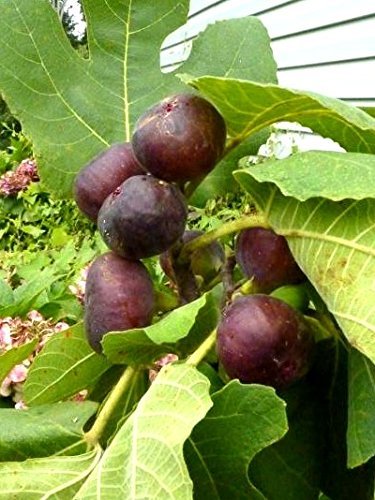
Includes Four Plants of "Chicago Hardy" Fig Trees with 4 Hello Organic Plant Tags. These are 2 inch rooted plants shipped in 2 inch tray pots and are 2-5 inches tall.
Climate Suitability
Select fruit tree varieties that are well-adapted to Colorado’s unique climate. Opt for cold-hardy species that can withstand the region’s fluctuating temperature, including sudden frosts and hot summers.
Water Requirements
Consider the water needs of different fruit tree species. Ensure you can provide adequate watering, especially during dry periods, to support healthy growth and fruit production. Look for trees that are drought-tolerant once established.
Soil Conditions
Evaluate the soil quality in your garden to determine if it meets the specific requirements of the fruit trees you’re considering. Some trees may prefer well-draining soil, while others can thrive in various soil types with proper amendments.
Sunlight Exposure
Assess the sunlight patterns in your garden to choose fruit trees that match the available light. Most fruit trees require full sun to produce high-quality fruits. Ensure they receive at least 6-8 hours of direct sunlight daily.
Pollination Needs
Some fruit tree varieties are self-pollinating, while others require cross-pollination with another compatible tree to set fruit. Be aware of the pollination requirements of the trees you select and ensure you have suitable pollinators nearby.
Space Considerations
Consider the mature size of the fruit trees to avoid overcrowding in your garden. Plan for adequate spacing between trees to allow for proper air circulation, sunlight exposure, and easy maintenance.
Pest and Disease Resistance
Choose fruit tree varieties that show resistance to common pests and diseases in Colorado. This can help reduce the need for chemical interventions and promote the overall health of your fruit trees.
Harvest Time
Select fruit trees with harvest times that suit your schedule and preferences. Some trees bear fruit early in the season, while others ripen later. Plan for a mix of varieties to enjoy a more extended harvest period.
By considering these essential factors when choosing fruit trees for your Colorado garden, you can create a thriving orchard that rewards you with delicious fruits for years to come. Enjoy the process of selecting trees that match your garden environment and fulfill your fruit-growing aspirations.
Best Fruit Trees Recommended by Colorado Extension Service
When selecting fruit trees for your garden in Colorado, it’s crucial to choose varieties that thrive in the local climate. By considering the recommendations of the Colorado Extension Service, you can ensure a successful harvest and a beautiful orchard. Here are some of the best fruit trees suggested by the Colorado Extension Service:
Apple Trees:
- Consider planting varieties such as Honeycrisp, Gala, or Fuji for their adaptability to Colorado’s climate.
- Apple trees are known for their delicious fruit, making them a popular choice for home orchards.
Cherry Trees:
- Opt for sour cherry varieties like Montmorency, which are well-suited to Colorado’s conditions.
- Sour cherries are excellent for baking, creating jams, and enjoying fresh off the tree.
Plum Trees:
- Look for European plum varieties like Stanley or Italian prune, which grow well in Colorado.
- European plum trees offer a range of culinary uses and are relatively low-maintenance.
Peach Trees:
- Choose peach varieties like Reliance or Red Haven, which are hardy enough to withstand Colorado’s winter conditions.
- Peaches are a flavorful addition to any orchard and can be enjoyed fresh or used in various recipes.
Pear Trees:
- Consider planting pear varieties such as Bartlett or Anjou, which do well in Colorado’s climate.
- Pears are versatile fruits ideal for snacking, baking, or canning.
- Opt for varieties like Moorpark or Tilton, which are suitable for Colorado’s growing conditions.
- Apricots are early bloomers, providing a beautiful display in spring and tasty fruit in summer.
By selecting these recommended fruit trees from the Colorado Extension Service, you can create a diverse orchard that thrives in Colorado’s unique environment while enjoying a bounty of delicious, homegrown fruits each year. Start planning your fruit tree garden today to reap the benefits and enjoy a fruitful harvest in the seasons to come.
Conclusion
Planting fruit trees in your Colorado backyard can transform your outdoor space into a vibrant and productive oasis. Not only do these trees enhance the beauty of your landscape, but they also provide you with fresh, homegrown produce while supporting local wildlife and pollinators. By considering factors like climate suitability, water needs, soil conditions, and space availability, you can select the perfect fruit trees for your garden. Following recommendations from the Colorado Extension Service for varieties like apples, cherries, plums, peaches, pears, and apricots ensures a successful harvest. Start planning your fruit tree garden today to enjoy the benefits of a diverse orchard that enriches your surroundings and promotes sustainability for years to come.
Frequently Asked Questions
Which fruit trees are suitable for Colorado’s climate?
When selecting fruit trees for Colorado, consider cold-hardy varieties like apples, cherries, peaches, plums, pears, and apricots that thrive in the state’s unique climate conditions.
Why should I plant fruit trees in my backyard?
Planting fruit trees in your backyard not only enhances the landscape but also provides fresh produce, supports pollinators and wildlife, and offers environmental benefits like reducing carbon footprint and promoting biodiversity.
What factors should I consider when choosing fruit trees for Colorado?
Consider factors like climate suitability, water requirements, soil conditions, sunlight exposure, pollination needs, space considerations, pest and disease resistance, and harvest time when choosing fruit trees for Colorado.
Can you recommend specific fruit tree varieties for Colorado?
Colorado Extension Service recommends apple, cherry, peach, plum, pear, and apricot trees for Colorado due to their ability to thrive in the state’s unique environmental conditions.
