

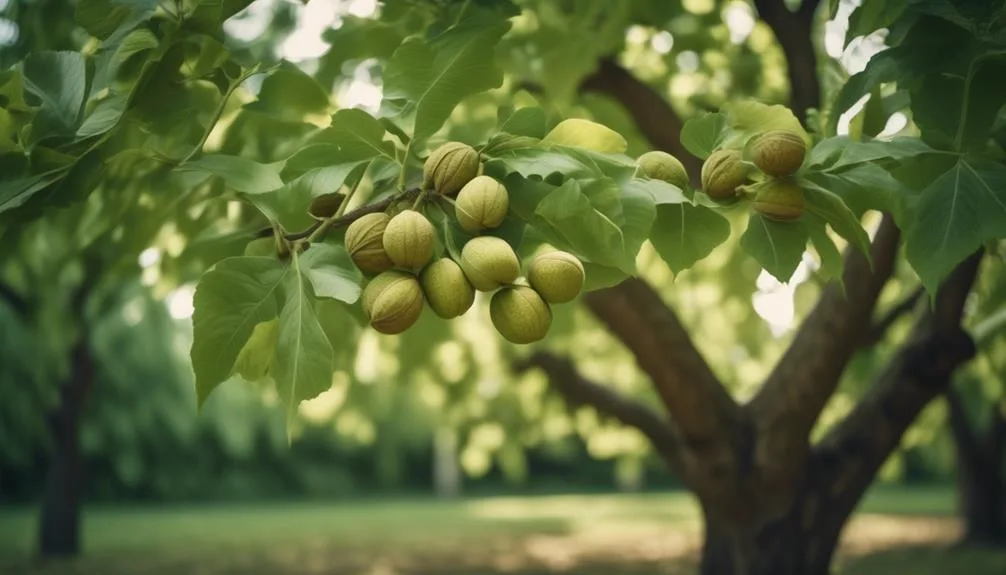
Walnut trees are known for their resistance to certain diseases. Understanding their disease resistance requires a closer look at the common diseases that affect them and how to manage and improve their resistance.
So, are walnut trees truly resistant to disease? Let's explore this topic together.
Key Takeaways
- Genetic factors play a significant role in walnut tree resistance to diseases.
- Environmental factors, such as temperature, humidity, and soil conditions, can impact disease resistance in walnut trees.
- Regular maintenance practices, such as removing fallen leaves and infected plant material, can help minimize disease spread.
- Grafting walnut trees onto disease-resistant rootstock is an effective strategy for enhancing overall orchard health and disease resistance.
Walnut Tree Disease Resistance Explained
Understanding how walnut trees develop resistance to diseases is crucial for maintaining their health and productivity. Genetic factors play a significant role in the natural resistance of walnut trees to diseases. Some varieties possess inherent genetic traits that make them less susceptible to certain diseases, while others may be more vulnerable.
Additionally, environmental influences, such as temperature, humidity, and soil conditions, can impact the tree's ability to resist diseases. For example, a tree experiencing stress due to poor soil quality may be more susceptible to infections.
Common Diseases Affecting Walnut Trees
Walnut trees are susceptible to several common diseases that can significantly impact their health and productivity. Fungal infections, such as anthracnose and powdery mildew, can cause leaf spots, defoliation, and reduced nut quality. Bacterial diseases like walnut blight can lead to wilting shoots and nut damage.
Environmental factors, such as high humidity and poor air circulation, can exacerbate these diseases. However, some walnut tree varieties exhibit genetic resistance to certain diseases, offering a natural defense. When selecting walnut trees for planting, it's essential to consider the disease resistance of different varieties.
Additionally, practicing good orchard management, including proper pruning and sanitation, can help minimize disease pressure and maintain the overall health of walnut trees.
Strategies for Managing Walnut Tree Diseases
To effectively manage diseases affecting walnut trees, implementing proper sanitation and pruning practices is crucial for maintaining their overall health and productivity. Managing pests and maintaining soil health are also vital aspects of disease management. Here are some key strategies for managing walnut tree diseases:
| Strategy | Description | Benefits |
|---|---|---|
| Sanitation | Regularly remove fallen leaves, twigs, and infected plant material from the area. | Minimizes disease spread. |
| Pruning | Remove dead or diseased branches to improve air circulation and sunlight exposure. | Reduces disease incidence. |
| Soil Health | Ensure proper drainage, balanced nutrient levels, and appropriate soil pH. | Promotes tree vigor and disease resistance. |
Improving Walnut Tree Resistance to Disease
By enhancing the natural defense mechanisms of walnut trees, their resistance to diseases can be significantly improved, ensuring long-term health and productivity. Genetic modification offers a promising avenue for bolstering walnut tree resistance. Through targeted genetic alterations, researchers aim to fortify the trees' ability to fend off common diseases.
Another approach involves grafting walnut trees onto disease-resistant rootstock. This method takes advantage of the natural disease resistance found in certain rootstocks and can effectively confer this trait to the entire tree. By integrating disease-resistant rootstock with the desired walnut tree variety, growers can enhance the overall health and longevity of their orchards.
Both genetic modification and disease-resistant rootstock hold immense potential for boosting walnut tree resistance to diseases, offering sustainable solutions for maintaining thriving walnut tree populations.
Conclusion: Walnut Trees and Disease Resistance
As you've explored the strategies for enhancing walnut tree resistance to diseases, it's clear that the potential of genetic modification and grafting onto disease-resistant rootstock offers promising avenues for ensuring the long-term health and productivity of walnut trees.
Disease resistance mechanisms in walnut trees are complex and involve a combination of genetic factors and environmental influences. Understanding these mechanisms is crucial for developing targeted approaches to enhance walnut tree resistance. Genetic factors play a significant role in determining the natural resistance of walnut trees to specific diseases. By identifying and manipulating these genetic factors, researchers can develop varieties with improved disease resistance.
Grafting onto disease-resistant rootstock allows for the transfer of beneficial traits, providing an effective means of enhancing walnut tree resistance to various diseases.
These strategies hold great promise for safeguarding the future of walnut trees, ensuring their continued vitality and productivity.
Conclusion
In conclusion, it's important to understand that while walnut trees may be susceptible to diseases, there are effective strategies for managing and improving their resistance.
By implementing proper management techniques and understanding the common diseases affecting walnut trees, you can protect and promote the health of your walnut trees in your garden or orchard.
With the right care and attention, you can ensure that your walnut trees thrive and continue to provide you with their valuable benefits.
So, with proper care, your walnut trees can remain healthy and productive for years to come.
