

Star fruit trees are like bustling city centers for pollinators, attracting a diverse group of essential insects. These trees play a crucial role in the ecosystem's vitality by providing a gathering place for pollinators.
But are star fruit trees truly beneficial for these insects? Let's explore the fascinating relationship between these unique trees and the pollinators they attract.
Key Takeaways
- Star fruit trees play a crucial role in providing nectar and pollen for diverse pollinators, making them an essential resource for the health and sustainability of ecosystems.
- Star fruit trees attract a diverse array of pollinators, including bees, butterflies, and other insects, through their sweet fragrance and abundant nectar, thus enhancing overall biodiversity in agricultural landscapes.
- The pollination process of star fruit trees, facilitated by bees, butterflies, and birds, is critical for their reproduction and cultivation, with bees contributing to efficient cross-pollination and butterflies promoting genetic diversity.
- Star fruit trees have a positive impact on local ecosystems by fostering biodiversity and ecological balance, providing a stable food source for a range of pollinators, enriching soil through fallen fruits and decomposing leaves, and creating a stable microclimate through their canopy.
Importance of Star Fruit Trees for Pollinators
Star fruit trees play a crucial role in providing nectar and pollen for a diverse range of pollinators, making them an essential resource for the health and sustainability of local ecosystems. These trees are vital for pollinator conservation and agricultural sustainability.
They attract bees, butterflies, and other insects, providing them with the necessary sustenance to thrive. The presence of star fruit trees in agricultural landscapes not only benefits the trees themselves but also enhances the overall biodiversity of the area.
By supporting pollinators, these trees contribute to the production of various crops and the maintenance of healthy ecosystems. Additionally, the presence of diverse pollinators ensures the resilience of agricultural systems, making them less vulnerable to potential disruptions.
Therefore, the importance of star fruit trees for pollinators can't be overstated in the context of pollinator conservation and agricultural sustainability.
Types of Pollinators Attracted to Star Fruit Trees
Attracted by the sweet fragrance and abundant nectar, a diverse array of pollinators flock to star fruit trees, including bees, butterflies, and various other insects. The pollinator diversity around star fruit trees is truly remarkable.
Bees, such as honeybees and native solitary bees, are frequent visitors, enthusiastically collecting pollen and nectar. Butterflies, with their graceful fluttering, are also commonly seen sipping nectar from the star fruit blossoms. Additionally, other smaller insects, like beetles and ants, can be observed crawling over the flowers, contributing to the pollination process.
Behavior observation reveals intriguing interactions between these pollinators and the star fruit flowers, showcasing the intricate dance of nature. Witnessing these different pollinators in action highlights the vital role that star fruit trees play in supporting a rich and diverse pollinator community.
Recommended Products
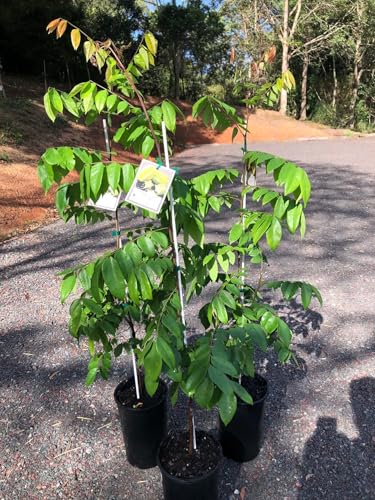
Starfruit Tree Live Carambola Tree You will receive the tree, no the fruit

FORMULATED FOR CITRUS AND FRUIT TREES: Use these citrus fertilizer spikes on apple, orange, lemon, lime, and avocado trees; this formula is also great for feeding palm trees

Imagine stepping into your backyard and seeing a tropical tree that feels bright, fresh, and full of life. That is the experience a Star Fruit Tree (Averrhoa carambola) creates as it matures.
Pollination Process of Star Fruit Trees
With their delicate, fragrant blossoms and abundant nectar, star fruit trees attract a diverse array of pollinators, engaging in a fascinating and intricate pollination process. The pollination process of star fruit trees is essential for their reproduction and the cultivation of this beloved tropical fruit. When pollinators such as bees, butterflies, and birds visit the star fruit blossoms, they transfer pollen from the anthers to the stigma, initiating the fertilization process. This process is crucial for the development of the fruit. Here's a breakdown of the pollination process:
| Pollinator | Role | Importance |
|---|---|---|
| Bees | Transfer pollen between flowers via foraging for nectar and pollen. | Critical for efficient cross-pollination. |
| Butterflies | Aid in pollination by sipping nectar and inadvertently transferring pollen. | Contribute to genetic diversity in star fruit trees. |
| Birds | Contribute to pollination by visiting flowers for nectar and transferring pollen. | Help in the fertilization and fruit development. |
Understanding the intricate pollination process of star fruit trees can shed light on the importance of maintaining healthy pollinator populations for successful star fruit cultivation.
Impact of Star Fruit Trees on Local Ecosystems
The intricate pollination process of star fruit trees not only ensures their successful reproduction but also has a profound impact on the local ecosystems they inhabit, fostering biodiversity and ecological balance. Star fruit trees contribute to the local ecosystems in various ways:
- Biodiversity benefits: Star fruit trees attract a diverse range of pollinators, including bees, butterflies, and birds, thereby supporting the proliferation of different species within the ecosystem.
- Ecosystem resilience: The presence of star fruit trees enhances the resilience of the local ecosystem by providing a stable food source for various organisms, which in turn contributes to the overall health and sustainability of the ecosystem.
- Soil health: Fallen star fruits and decomposing leaves from the trees enrich the soil, supporting the growth of a diverse range of plant species.
- Microclimate regulation: The canopy of star fruit trees provides shade and shelter for smaller plants and animals, creating a more stable microclimate within the ecosystem.
Recommended Products


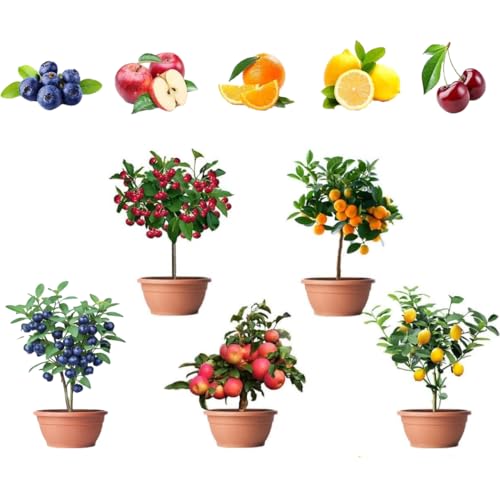
Variety Pack of 5 Fruits: Includes 40 Lemon seeds, 40 Orange seeds, 40 Apple seeds, 20 Cherry seeds, and 20 Blueberry seeds for a colorful and diverse home garden
Tips for Supporting Pollinators With Star Fruit Trees
To support pollinators with star fruit trees, consider planting flowering companion plants nearby to attract a diverse range of beneficial insects and birds. Choose nectar-rich flowers such as lavender, salvia, and coneflowers to create a pollinator-friendly environment.
Additionally, incorporate native plants into your garden to provide food and habitat for local pollinators. Regular garden maintenance, such as removing weeds and deadheading flowers, can help create an optimal environment for pollinators around your star fruit trees.
Avoid using pesticides in your garden, as these can harm pollinators and other beneficial insects. By practicing pollinator-friendly landscaping techniques and maintaining a healthy garden ecosystem, you can ensure that your star fruit trees become a haven for pollinators, supporting their populations while also enhancing the productivity of your fruit trees.
Conclusion
In supporting local ecosystems and promoting pollinator diversity, planting star fruit trees is a simple yet impactful step. These trees attract various pollinators, such as bees, butterflies, and birds, playing a crucial role in the pollination process.
By doing so, you contribute to the health of your local environment while enjoying delicious star fruit as an added reward. Consider the positive impact on your surroundings and the satisfaction of knowing you've helped sustain essential pollinators.
