

Have you ever wondered where those delicious kiwis come from? Picture this: you’re at the grocery store, eyeing a display of vibrant green kiwis, and you pause, curious about their origin. Are kiwis grown on trees? In this article, we’ll explore the fascinating world of kiwi cultivation and uncover the surprising truth behind how these fuzzy fruits make their way to your fruit bowl.
By understanding how kiwis grow and the journey they take from orchard to table, you’ll gain a newfound appreciation for this exotic fruit. Whether you’re a kiwi enthusiast or simply curious about the process, this article will provide you with valuable insights into the world of kiwi farming. Get ready to discover the secrets of kiwi cultivation and learn more about the journey of these delectable fruits from tree to market.
Key Takeaways
- Kiwi fruits grow on vines, not trees.
- Kiwi vines require support structures for optimal growth.
- Fruit development starts with flowers in the spring.
- Pruning and regular maintenance are necessary for healthy vines.
- Harvest kiwis in the fall for the best flavor.
Exploring Kiwis and Their Growth
Kiwi fruits grow on vines rather than trees. These vines are known for their vigorous growth and can reach up to 30 feet in length. While kiwi plants are often referred to as kiwi trees due to their tree-like structure, they are technically classified as vines.
Understanding Kiwi Vine Growth
Kiwi vines are robust climbers with sturdy stems that coil themselves around structures for support. These vines thrive in temperate climates and require trellises or other support systems to grow efficiently. The vines produce lateral branches, where the kiwi fruit eventually forms.
Kiwi Fruit Development Process
Kiwi plants bear fruit after a few years of growth. The fruit develops from flowers that appear in the spring and are pollinated by bees. It takes several months for the small, fuzzy flower to transform into a ripe kiwi fruit. The ripening process is crucial and requires a specific amount of sunlight and warmth.
Pruning and Maintenance
To ensure optimal growth and fruit production, regular pruning is essential. Pruning helps manage the size of the vine, promotes airflow, and allows sunlight to reach all parts of the plant. Proper maintenance, such as watering and fertilizing, is also crucial for healthy kiwi vines.
Harvesting Kiwis
Kiwis are typically harvested in the fall when they reach peak ripeness. A ripe kiwi fruit is firm but yields to gentle pressure. Harvesting at the right time ensures the best flavor and texture. Once harvested, kiwis can be stored for several weeks in a cool, dark place.
- Kiwi fruits grow on vines, not trees.
- Kiwi vines require support structures for optimal growth.
- Fruit development starts with flowers in the spring.
- Pruning and regular maintenance are necessary for healthy vines.
- Harvest kiwis in the fall for the best flavor.
Explore the fascinating growth process of kiwis and consider cultivating these flavorful fruits in your garden for a fresh and delicious harvest.
Understanding the Kiwi Fruit
Exploring the unique characteristics of kiwi fruit is fascinating. Here’s a closer look at the key aspects of these delicious fruits’ growth and development:
Kiwi Growth Cycle
Kiwi fruits, contrary to popular belief, do not grow on trees; they thrive on vines. These vines require adequate support structures to ensure optimal growth. Robust climbers with lateral branches are essential for the formation of kiwi fruit.
Developing from Flowers
The journey of a kiwi fruit begins with the emergence of delicate flowers in the spring. These flowers are crucial as they eventually transform into the tasty kiwis you enjoy. Sunlight and warmth play a vital role in ripening the fruit to perfection.
Importance of Pruning
Regular pruning and maintenance are vital for keeping kiwi vines healthy. Pruning promotes airflow and allows adequate sunlight exposure, essential for the overall development of the fruit. By maintaining your vines well, you contribute to a bountiful harvest.
Harvesting Kiwis
Kiwis are typically ready for harvest in the fall season when they are at their ripest. Harvesting at the right time ensures you enjoy the best flavor and quality of the fruit. It’s a rewarding experience to pick ripe kiwis from your own vine.
Cultivating Kiwi Fruit
Considering cultivating kiwi fruits in your own space can be a rewarding endeavor. By understanding the growth process and requirements of kiwi vines, you can enjoy a fresh and delicious harvest right from your garden.
The Growth Process of Kiwi Trees
Understanding the growth cycle of kiwi trees is essential if you’re considering cultivating these delicious fruits in your garden. Kiwis, contrary to common perception, do not grow on traditional fruit trees. Instead, they flourish on vines that require sturdy support structures to thrive.
Planting Kiwi Trees
To begin cultivating kiwi trees, you first need to select a suitable location with well-draining soil and access to plenty of sunlight. Kiwis prefer a slightly acidic soil pH, ideally between 6.0 and 6.5. It’s crucial to plant male and female kiwi vines for successful fruit production. One male plant can pollinate multiple female kiwi plants, ensuring adequate fruiting.
Growth Stages
Kiwi trees go through distinct growth stages throughout the year. In the spring, delicate flowers emerge on the vines, signaling the start of the fruiting process. These flowers need pollination, often facilitated by bees or other pollinators, to develop into fruit. As the weather warms up, the fruit sets and begins to grow, gradually maturing over the summer months.
Maintenance and Pruning
Regular maintenance and pruning are vital for the health and productivity of kiwi trees. Pruning helps manage the vine’s growth, promotes the development of lateral branches for fruiting, and enhances airflow and sunlight penetration within the canopy. It’s best to prune kiwi vines during the dormant season to encourage new growth and fruit production.
Harvesting Kiwis
Kiwi fruits are typically ready for harvest in the fall when they reach optimal ripeness. Ripe kiwis should yield to gentle pressure when pressed and have a sweet fragrance. Harvest the fruits carefully to avoid damaging the vines or causing bruising. Store harvested kiwis in a cool, dry place or enjoy them fresh right off the vine.
By understanding the growth process of kiwi trees and following proper care practices, you can enjoy a bountiful harvest of these delectable fruits from your garden. Consider incorporating kiwi trees into your fruit cultivation for a flavorful addition to your homegrown produce.
Recommended Products

🌑[Plant Growth Support]:Garden plant trellis are committed to helping your indoor for potted plants and adds to the natural beauty. As plants grow, the houseplant trellis takes the form of a ladder to help your plant climbing and growing.

Fiberglass Material Raspberry Cross Stake System with 2 Cross-bars, Height Adjustable
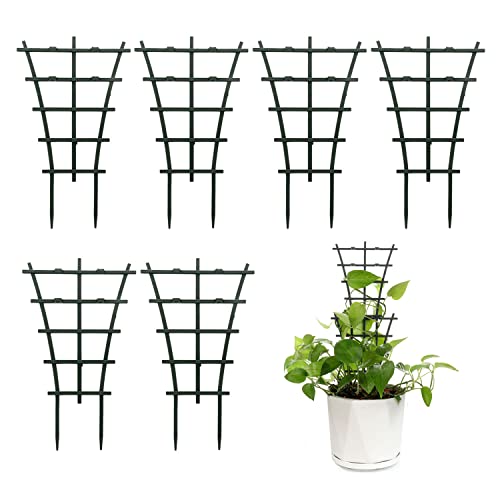
【Upgarded New Version】Our plant trellis is upgraded with high quality new material, increase the weight by 31%, reinforced to be more sturdier, providing stronger support for your potted plants
Harvesting Kiwis
When harvesting kiwis, timing is crucial to ensure you enjoy ripe and flavorful fruits. Here’s a guide to help you with the process:
1. Checking Ripeness
To determine if your kiwis are ready for harvest, gently squeeze the fruit. When they yield slightly to pressure, they are ripe and ready to be picked. Color is another indicator; ripe kiwis exhibit a brown and fuzzy skin.
2. Harvesting Techniques
To pluck kiwis, use sharp pruning shears to cut the stems carefully. Ensure you leave a small portion of the stem attached to the fruit. Avoid pulling the kiwis off as it may harm the vine.
3. Harvesting Time
Typically, kiwis are harvested in the fall season once they reach maturity. The ideal time may vary depending on the variety you are growing. Aim to pick them before the first frost as it can damage the fruits.
4. Storage Tips
After harvesting, store kiwis in a cool and dark place. They can be kept at room temperature to ripen further or in the refrigerator to prolong their shelf life. Remember not to store them with fruits that produce ethylene gas as it can accelerate ripening.
5. Enjoying Your Harvest
Once you’ve harvested your kiwis, you can enjoy them fresh, add them to fruit salads, or use them in various culinary dishes. Kiwis are a versatile fruit that can add a unique taste to both sweet and savory recipes.
Kiwi Tree Maintenance and Care
To ensure healthy kiwi tree growth and bountiful fruit production, proper maintenance and care practices are essential. Here’s what you need to know:
Sunlight and Soil Requirements
- Position your kiwi tree in a spot that receives full sunlight for optimal growth.
- Ensure well-draining soil with a pH level between 5.5 and 7.0 to support nutrient absorption.
Watering Schedule
- Water young kiwi trees regularly, especially during dry spells, to establish strong root systems.
- Once mature, water deeply but infrequently to encourage deep root growth.
Pruning Techniques
- Prune your kiwi tree during the dormant season to remove dead or overcrowded branches.
- Encourage airflow and fruit production by thinning out excess growth.
Fertilization Tips
- Use a balanced fertilizer in spring to support healthy foliage and fruit development.
- Avoid excessive nitrogen, as it can hinder fruiting.
Pest and Disease Management
- Keep an eye out for common pests like aphids and scale insects, treating them promptly.
- Prevent diseases by maintaining good air circulation and avoiding overwatering.
Trellising Kiwi Vines
- Provide sturdy trellises for kiwi vines to support their vigorous growth.
- Secure the vines to the trellis to prevent them from tangling and facilitate easy harvesting.
- Shield young kiwi trees from frost by wrapping them with burlap or using frost cloth.
- Mulch around the base to help retain soil warmth during colder months.
By following these maintenance and care guidelines, you can nurture your kiwi tree to thrive and enjoy a successful harvest of delicious fruits.
Conclusion
You now have a comprehensive understanding of how to care for kiwi trees, from planting to harvesting. By providing the right conditions like sunlight, soil, and water, along with proper maintenance techniques such as pruning and fertilizing, you can nurture healthy kiwi trees. Remember to protect them from pests, diseases, frost, and support their growth with trellising and mulching. With these tips in mind, you’re all set to enjoy a bountiful harvest of delicious kiwi fruits. Happy gardening!
Frequently Asked Questions
1. Where should I plant kiwi trees for optimal growth?
Plant kiwi trees in a sunny location with well-drained soil to ensure optimal growth and fruit production.
2. How do I pollinate kiwi plants?
Kiwi plants are dioecious, requiring both male and female plants for pollination. Bees help with cross-pollination, or you can hand-pollinate using a paintbrush.
3. What is the best way to water kiwi trees?
Kiwi trees prefer consistently moist soil. Water deeply and regularly, especially during dry spells, but avoid waterlogging the roots.
4. When and how should I prune kiwi vines?
Prune kiwi vines during dormancy in late winter or early spring. Remove dead or overcrowded branches and maintain an open canopy for sunlight penetration.
5. How do I protect kiwi plants from pests and diseases?
Monitor kiwi plants regularly for pests and diseases. Use organic controls like neem oil and beneficial insects to manage common issues.
6. Is trellising necessary for kiwi vines?
Trellising kiwi vines helps support the heavy fruit load and allows for proper air circulation, sunlight exposure, and easier harvesting.
7. Do kiwi trees need frost protection?
Kiwi trees are sensitive to frost. Provide frost protection by covering the plants with blankets or using frost cloth during cold spells.
8. Should I mulch around kiwi plants?
Mulching around kiwi plants helps retain soil moisture, suppress weeds, and insulate the roots. Use organic mulch like straw or wood chips.
