
Close Menu
    Fruit Tree Hub
    • Home
    • Apple Trees
    • Lemon Trees
    • Mango Trees
    • Orange Trees
    • More Trees
      • Best Fruit Trees
      • Apricot Trees
      • Cherry Trees
      • Fig Trees
      • Lime Trees
      • Mulberry Trees
      • Peach Trees
      • Pear Trees
      • Plum Trees
      • Pomegranate Trees
    • Tips and Advice
      • Tools
    • About Us
      • Contact
      • Privacy Policy
    Fruit Tree Hub
    Home»Tools»How to Sharpen Pole Pruner Blade: Essential Maintenance Steps for Precise Tree Trimming
    Tools

    How to Sharpen Pole Pruner Blade: Essential Maintenance Steps for Precise Tree Trimming

    Lucy SmithBy Lucy SmithApril 2, 20246 Mins Read
    Share Facebook Twitter Pinterest WhatsApp Email
    Share
    Facebook Twitter LinkedIn Pinterest Telegram Email

    Ever struggled with a dull pole pruner blade that just won’t slice through those branches like it used to? Imagine effortlessly trimming your trees with precision and ease. What if you could revive that blunt blade and get back to smooth, clean cuts in no time?

    Contents show
    1 Understanding the Importance of a Sharp Pole Pruner Blade
    2 Tools and Materials Needed for Sharpening
    3 Step-by-Step Guide to Sharpening Your Pole Pruner Blade
    4 Testing the Sharpness of Your Blade
    5 Maintaining a Sharp Pole Pruner Blade
    6 Conclusion
    7 Frequently Asked Questions
    7.1 What is the significance of maintaining a sharp pole pruner blade?
    7.2 How can I maintain the sharpness of my pole pruner blade?
    7.3 How can I test if my pole pruner blade is sharp?

    Picture this: You’re outside, ready to tackle your overgrown trees, but your pole pruner blade is letting you down. Fret not, as we’re here to guide you through the simple yet essential art of sharpening your pole pruner blade. By the end of this article, you’ll be equipped with the know-how to bring back that sharp edge and make your pruning tasks a breeze.

    Understanding the Importance of a Sharp Pole Pruner Blade

    When it comes to tree pruning, having a sharp pole pruner blade is crucial for a job well done. A sharp blade ensures clean cuts that promote healthy growth in trees. Dull blades can cause ragged cuts, leaving the tree vulnerable to disease and pests.

    Here are some reasons why sharpness matters when using a pole pruner:

    • Efficiency: A sharp blade cuts effortlessly through branches, making your task quicker.
    • Precision: Sharp blades create clean and precise cuts, reducing the risk of damaging the tree.
    • Safety: A sharp blade requires less force to cut, decreasing the chances of accidents.
    • Tree Health: Clean cuts heal faster, helping the tree recover and thrive after pruning.
    MUST READ
    How to Clean Your Echo Power Pruner Carburetor: Practical Maintenance Tips

    Regularly sharpening your pole pruner blade is essential to enjoy these benefits and make your tree trimming tasks easier.

    Tools and Materials Needed for Sharpening

    To sharpen your pole pruner blade effectively, you’ll need a few essential tools and materials. Here’s what you’ll require:

    • Flat File: An important tool for removing nicks and restoring the blade’s sharp edge.
    • Sharpening Stone or Diamond File: Helps in honing the blade to a fine point for precise cutting.
    • Gloves: Protect your hands during the sharpening process.
    • Safety Goggles: Safeguard your eyes from any metal filings.

    Remember, having the right tools and materials is crucial for maintaining a sharp pole pruner blade.

    Recommended Products

    2 Pieces Garden Sharpening Stone for Garden Diamond Coated Sharpener Stone Tool, 9 x 1.47 Inches
    2 Pieces Garden Sharpening Stone for Garden Diamond Coated Sharpener Stone Tool, 9 x 1.47 Inches

    Reliable Material: our garden tool sharpener is made of corundum, with good wear resistance and corrosion resistance, you can use it with confidence, can be applied for a long time, and will not easy to break or fade

    VIEW LATEST PRICE

    As an affiliate, we earn on qualifying purchases.

    2 Pack Garden Tool Sharpener, Folding Pocket Diamond Knife Sharpener 400/600 Grit Double-Sided Scissor, Pruners, Loppers or Blade Sharpening Stone for Garden Outdoor Camping Kitchen
    2 Pack Garden Tool Sharpener, Folding Pocket Diamond Knife Sharpener 400/600 Grit Double-Sided Scissor, Pruners, Loppers or Blade Sharpening Stone for Garden Outdoor Camping Kitchen

    Easy to use and carry: the pocket knife sharpener works well on restoring and honing all sorts of garden tool, knife, scissors, etc.; Portable folding design fits in the pocket or tool bag, convenient to store and carry around
    VIEW LATEST PRICE

    As an affiliate, we earn on qualifying purchases.

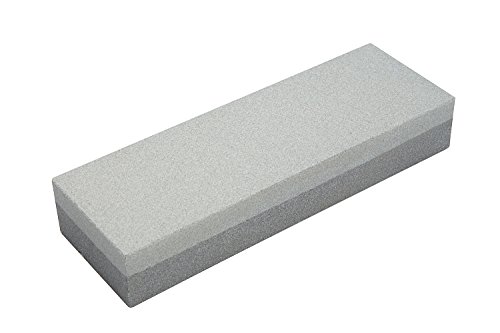
    Bora 501057 Fine/Coarse Combination Sharpening Stone, Aluminum Oxide Gray, 6"
    Bora 501057 Fine/Coarse Combination Sharpening Stone, Aluminum Oxide Gray, 6"

    The Bora 6-inch aluminum oxide sharpening stone is a 2 sided stone: one coarse grit and one fine grit

    MUST READ
    Why Your STIHL Pruner Is Losing Power and How to Fix It Easily
    VIEW LATEST PRICE

    As an affiliate, we earn on qualifying purchases.

    Step-by-Step Guide to Sharpening Your Pole Pruner Blade

    You’re ready to sharpen your pole pruner blade and maintain your tools in top condition. Here’s how you can do it effectively:

    1. Clean the Blade:
    • Use a brush or damp cloth to remove any debris or sap from the blade.
    1. Inspect the Blade:
    • Check for any nicks, dents, or signs of wear on the blade’s cutting edge.
    1. Secure the Blade:
    • Secure the pruner blade in a vise grip or another stable surface before sharpening.
    1. Sharpening Process:
    • Begin by filing the blade’s edge at a consistent angle, using either a flat file or sharpening stone.
    • Work along the blade’s edge in smooth motions, maintaining the same angle throughout.
    • Ensure you sharpen both sides of the blade evenly to maintain balance and cutting precision.
    1. Test the Sharpness:
    • Carefully run your finger along the blade’s edge to check for sharpness.
    • Avoid sharp blades coming into contact with your skin to prevent injuries.
    1. Aftercare:
    • Remove any metal shavings or debris from the sharpened blade.
    • Apply a light coat of oil to prevent rust and maintain the blade’s sharpness.

    Testing the Sharpness of Your Blade

    To ensure your pole pruner blade is sharpened well, you need to test its sharpness. Here’s how you can do it:

    • Paper Test: Try cutting a piece of paper with the blade. A sharp blade will cut smoothly through the paper with minimal effort.
    • Visual Inspection: Look closely at the blade edge. A properly sharpened blade will have a clean and uniform edge without any visible nicks or damages.
    • Thumb Test: Gently run your thumb along the blade edge. Be cautious to avoid cuts. A sharp blade will feel slightly rough and catch on your thumb.
    MUST READ
    Maintaining Your Cordless Pole Saw: Tips for Pruning Efficiency

    If your blade passes these tests, you’re ready to start using it for tree pruning.

    Maintaining a Sharp Pole Pruner Blade

    To ensure optimal tree pruning results, it’s crucial to keep your pole pruner blade sharp. Here’s how you can maintain a sharp blade for effective tree trimming:

    • Regular Cleaning: Remove any sap, dirt, or debris from the blade after each use to prevent buildup that can affect its sharpness.
    • Inspect for Damage: Check the blade for any nicks, chips, or signs of wear that may hinder its effectiveness.

    When sharpening your pole pruner blade:

    • Secure the Blade: Use a vise or clamp to secure the blade during sharpening to prevent accidents.
    • Proper Sharpening Technique: Maintain a consistent angle while sharpening to ensure an even edge.

    Testing the sharpness of your pole pruner blade:

    • Paper Test: Try cutting a piece of paper with the blade to check for a clean, precise cut.
    • Visual Inspection: Look for a shiny, smooth edge to indicate a sharp blade.
    • Thumb Test: Gently run your thumb along the blade to feel for any rough or dull edges.

    By following these maintenance steps and testing methods, you can ensure that your pole pruner blade is always ready for efficient and precise tree pruning.

    Recommended Products

    JA-34 Big Mouth Pruner Kit – Pole Pruner with 1.75-Inch Cutting Capacity, Universal Hot Stick Adapter, Easy Blade Replacement and Sharpening, Heavy-Duty Garden Tool
    JA-34 Big Mouth Pruner Kit – Pole Pruner with 1.75-Inch Cutting Capacity, Universal Hot Stick Adapter, Easy Blade Replacement and Sharpening, Heavy-Duty Garden Tool

    Maximum Cutting Capacity – The JA-34 Big Mouth Pruner offers the largest cutting capacity in its class, tackling branches up to 1.75 inches thick, making it ideal for professional landscapers and tree care experts.
    MUST READ
    Securely Attach Blade on Fiskars Pole Pruner: Step-by-Step Guide
    VIEW LATEST PRICE

    As an affiliate, we earn on qualifying purchases.

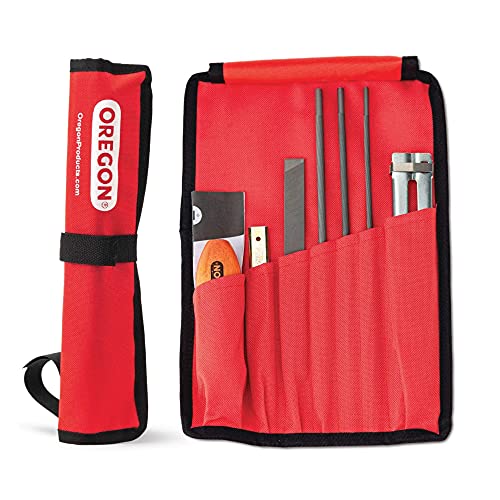
    Oregon Universal Chainsaw Field 7pc Sharpening Kit - Includes 5/32", 3/16", and 7/32" Round Files, 6" Flat File, Handle, Filing Guide, and Travel Pouch (617067)
    Oregon Universal Chainsaw Field 7pc Sharpening Kit - Includes 5/32", 3/16", and 7/32" Round Files, 6" Flat File, Handle, Filing Guide, and Travel Pouch (617067)

    This portable universal chainsaw sharpening kit by Oregon makes it easy to keep your chainsaws, pole saws, and other tools sharp and ready to go

    VIEW LATEST PRICE

    As an affiliate, we earn on qualifying purchases.

    American Lawn Mower Company SK-1 Reel Lawn Mower, Compound Sharpening Kit
    American Lawn Mower Company SK-1 Reel Lawn Mower, Compound Sharpening Kit

    Push blade lawn mower sharpening kit to maintain the cutting power of the blades

    VIEW LATEST PRICE

    As an affiliate, we earn on qualifying purchases.

    Conclusion

    Keeping your pole pruner blade sharp is key to achieving optimal results when pruning trees. By following the steps outlined in this article, such as regular cleaning, proper sharpening techniques, and thorough testing, you can ensure that your blade is always in top condition. Remember, a sharp blade not only makes your pruning tasks easier but also promotes healthier tree growth. By incorporating these maintenance practices into your routine, you’ll be well-equipped to tackle any tree trimming job with precision and efficiency. Stay diligent in caring for your pole pruner blade, and you’ll enjoy the benefits of a well-maintained tool for years to come.

    Frequently Asked Questions

    What is the significance of maintaining a sharp pole pruner blade?

    Regularly sharpening the pole pruner blade is crucial for efficient tree pruning. A sharp blade ensures clean cuts, leading to healthier plants and quicker healing of trimmed branches.

    MUST READ
    Pruning Shears vs Scissors: Choosing the Right Tool for Your Garden Needs

    How can I maintain the sharpness of my pole pruner blade?

    Maintain blade sharpness by cleaning it regularly after each use and inspecting for any signs of damage. When sharpening, secure the blade in a vise or clamp for stability and maintain a consistent sharpening angle for optimal results.

    How can I test if my pole pruner blade is sharp?

    Test the sharpness of the blade using methods like the paper test (slicing through paper with ease), visual inspection (looking for a clean and uniform edge), and the thumb test (feeling a sharp edge without causing injury).

    Share. Facebook Twitter Pinterest LinkedIn Tumblr Email
    lucy smith
    Lucy Smith
    • Website

    Lucy Smith is a highly experienced horticulturist with a passion for fruit tree cultivation. She holds a degree in Horticulture from the University of California, Davis, and has worked in various roles in the industry. With over 10 years of experience, Lucy is dedicated to using eco-friendly methods for sustainable gardening practices.

    Related Posts

    5 Best Cordless Pruners of 2024 – Effortless Gardening Tools Reviewed

    September 26, 2024

    The 5 Best Loppers of 2024: Pruning Made Easy and Efficient

    September 26, 2024

    The 5 Best Pruning Saws of 2024 – Cut Through Your Gardening Tasks With Ease

    September 26, 2024

    The 5 Best Pruning Shears of 2024 – Your Essential Gardening Tools

    September 26, 2024

    5 Best Heavy Duty Pruning Shears for Effortless Gardening in 2024

    September 26, 2024

    The 4 Best Pruning Blades for Reciprocating Saws: Ultimate Guide for Gardeners

    September 26, 2024
    Leave A Reply Cancel Reply

    Affiliate Disclosure

    As an Amazon Associate I earn from qualifying purchases.

    Recommended Reading

    What Kind of Soil Do Grapes Like: A Guide to Optimal Growing Conditions

    Growing a Grapefruit Tree from Seed: Tips for Successful Propagation and Maintenance

    Why Won’t My Fig Tree Fruit: Common Reasons and Simple Solutions for Gardeners

    Do Palm Trees Grow Fruit and What Delicious Varieties Can You Enjoy?

    Avocado Trees in Oklahoma City, OK: Handling Wind and Heat

    How to Grow Fig Trees in Reno, NV: High Desert Survival

    How Long Does It Take for Kiwi Fruit to Grow? Expert Guide to Planting, Harvesting & Maximizing Yield

    Does Walmart Have Fruit Trees to Grow Your Own Fresh Produce at Home?

    Why My Lemon Tree Has No Fruit and How to Encourage a Bountiful Harvest

    Fine-Tuning Your Pole Pruner: Testing, Adjusting, and Prioritizing Safety

    Fruit Tree Hub

    Fruit Tree Hub is a website dedicated to providing you everything you need to grow fruit trees successfully at in your own yard.

    Contact us at: [email protected]

    - AFFILIATE DISCLOSURE: As an Amazon Associate I earn from qualifying purchases.

    Latest Posts

    Growing Star Fruit Trees in a Pot in Pennsylvania (Pro Tips)

    Grapefruit Trees in Columbus, OH (Ohio Valley Success Tips)

    Olive Trees in a Pot in Indiana: Midwestern Growing Secrets

    Lime Trees in North Dakota (Severe Winter Growth Secrets)

    Growing Tamarind Trees in Utah (High Altitude Success Guide)

    Fig Trees in Anchorage, AK (Indoor and Greenhouse Methods)

    Quince Trees in a Pot in Jacksonville, FL (Successful Harvest)

    Olive Trees in a Pot in Illinois (Indoor and Patio Care Guide)

    Categories
    • Almond Trees
    • Apple Trees
    • Apricot Trees
    • Best Fruit Trees
    • Blackberry
    • Cantaloupe
    • Cherry Trees
    • Crochet Ideas
    • Crochet Ideas for Beginners
    • Cucamelon
    • Easy Crochet Ideas
    • Easy Knitting Projects
    • Fig Trees
    • Grapefruit Trees
    • Grapes
    • Guava Trees
    • Honeydew
    • Jujube Trees
    • Kiwi
    • Knitting For Beginners
    • Knitting Ideas
    • Knitting Inspiration
    • Lemon Trees
    • Lime Trees
    • Loquat Trees
    • Mango Trees
    • Mulberry Trees
    • Nectarine Trees
    • Olive Trees
    • Orange Trees
    • Papaya Trees
    • Peach Trees
    • Pear Trees
    • Persimmon Trees
    • Planting
    • Plum Trees
    • Pomegranate Trees
    • Quince Trees
    • Raspberry
    • Reviews
    • Small Crochet Ideas
    • Star Fruit Trees
    • Summer Crochet Ideas
    • Tamarind Trees
    • Tangerine Trees
    • Tips and Advice
    • Tools
    • Uncategorized
    • Walnut Trees
    © 2026 Fruit Tree Hub
    • Home
    • About Us
    • Contact
    • Privacy Policy
    • Terms and Conditions
    • Disclaimer
    • Editorial Policy
    • Affiliate Disclosure

    Type above and press Enter to search. Press Esc to cancel.