

Ever wondered which tool is the real MVP in your garden arsenal? Picture this: you’re faced with overgrown branches and unruly bushes, unsure of whether to reach for your trusty pruners or reliable loppers. It’s a common dilemma garden enthusiasts like you often face. But fear not, as we’re here to shed light on the age-old debate of pruners versus loppers.
Have you ever struggled to decide which tool is best suited for the task at hand? In this article, we’ll delve into the nitty-gritty details of pruners and loppers, helping you understand their unique strengths and applications. Whether you’re a seasoned gardener or a newbie looking to elevate your pruning game, we’ve got you covered.
By the end of this read, you’ll walk away with a clear understanding of when to wield your pruners with finesse and when to unleash the power of loppers for those heavy-duty cutting jobs. Get ready to transform your gardening experience as we navigate the pruners versus loppers showdown together.
Pruners: The Mighty Precision Tools
When it comes to precise and delicate pruning tasks in your garden, pruners are your go-to tools. These handheld wonders are designed for finesse and accuracy, allowing you to trim with precision without causing damage to the surrounding plant. Whether you’re shaping a bonsai tree, deadheading flowers, or pruning fragile stems, pruners excel in providing clean cuts without crushing or tearing the plant tissue.
Key Features of Pruners:
- Sharp, pointed blades for precise cuts
- Lightweight and easy to maneuver
- Ideal for cutting stems up to 3/4 inch thick
- Regular Maintenance: Keep your pruners clean and sharp to ensure clean cuts.
- Angle Matters: Cut at a 45-degree angle to promote healthy plant growth.
- Know Your Limits: Use pruners for tasks within their cutting capacity.
Adding pruners to your gardening toolkit ensures you can tackle delicate pruning tasks with ease and finesse, enhancing the health and aesthetics of your plants.
Recommended Products

Reduce Hand Strain: These micro tip snips are made to reduces hand fatigue which makes them great for those with arthritis, carpal tunnel, hand or wrist issues; Comfortable “grip” handles will make it easy to work for long-time use without making you feel hand pain

GARDENING ESSENTIAL: With these stainless steel blade gardening shears, pruning tasks like cutting flower stems or maintaining your herb garden are easier with fast and clean cuts
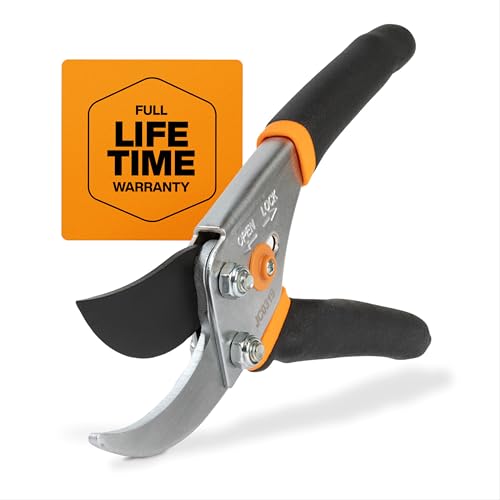
CLEAN CUTS FOR LIVE GROWTH: Bypass blade design is ideal for pruning delicate flower stems and green growth, helping reduce crushing and plant damage while cutting stems and small branches up to 5/8” in diameter
Loppers: Tackling the Tough Jobs
When it comes to thicker branches that pruners might struggle with, loppers are your go-to tool for the tough pruning tasks.
Loppers are designed with long handles that provide extra leverage, making it easier to cut through branches up to 2 inches thick.
These tools are perfect for trimming trees, shrubs, and larger branches that require a bit more strength to prune effectively.
Key Features of Loppers:
- Extended reach for cutting high branches.
- Ratchet or gear mechanisms for easier cutting.
- Bypass or anvil cutting blades for different pruning needs.
Maintenance Tips:
- Keep the blades clean and sharp for optimal performance.
- Lubricate the pivot points regularly to ensure smooth cutting.
- Store loppers in a dry place to prevent rusting.
Cutting Technique:
- Position the blades around a branch and make a clean cut in one smooth motion.
- Avoid twisting the tool as it can damage the branch and the blades.
- Consider the size and type of branches you’ll be cutting.
- Opt for lightweight loppers for ease of use during long pruning sessions.
- Test the ergonomics of the tool to ensure comfortable handling.
With loppers in your gardening arsenal, you’ll be well-equipped to tackle those challenging pruning jobs with ease.
Size Matters: Choosing the Right Tool for the Job
Size Matters: Choosing the Right Tool for the Job
When deciding between pruners and loppers, consider the size of the branches you’ll be cutting. Here’s a simple guide to help you choose the right tool for the job:
Pruners
- Ideal for branches up to ¾ inch thick
- Perfect for smaller plants and delicate pruning
- Offers precision cutting for detailed work
- Designed for branches up to 2 inches thick
- Great for larger branches and tougher pruning tasks
- Provides extended reach and leverage for easier cutting
Remember, choosing the right tool based on the size of the branches will make your pruning tasks more efficient and effective.
Maintenance: Keeping Your Tools Sharp and Efficient
To ensure your pruners and loppers stay in top-notch condition, regular maintenance is key. Here are some practical tips to keep your tools sharp and efficient:
- Clean After Use: Always wipe the blades clean with a cloth after each use. This prevents sap build-up and keeps the blades from sticking.
- Sharpen Regularly: Invest in a sharpening tool specific to your pruners or loppers. Dull blades can damage plants and make your job harder.
- Oil Moving Parts: Applying a light layer of oil to the moving parts keeps them lubricated and operating smoothly.
- Inspect for Damage: Before each use, inspect the blades and handles for any signs of wear or damage. Replace any worn parts immediately.
- Store Properly: Store your pruners and loppers in a dry place to prevent rusting. Consider using a blade cover for added protection.
- Adjust Tension: If your pruners or loppers have adjustable mechanisms, ensure the tension is set correctly for optimal cutting performance.
These maintenance tips will not only extend the life of your tools but also improve their efficiency, making your pruning tasks a breeze.
Making the Final Cut: Pruners vs Loppers Showdown
When it comes to pruning tools, deciding between pruners and loppers can be a tough choice, especially when faced with branches of various sizes and pruning tasks. Pruners excel in precision cutting, handling branches up to ¾ inch thick with ease. They are your go-to for intricate pruning on smaller plants where accuracy is key.
On the other hand, loppers are your heavy-duty companions, capable of tackling branches up to 2 inches thick. They provide the power and leverage needed for larger branches and tougher pruning jobs in your garden.
Before making your final cut between pruners and loppers, consider the following aspects to make the most effective choice for your pruning tasks:
- Branch Size: Opt for pruners for branches up to ¾ inch thick and loppers for branches up to 2 inches thick.
- Precision vs. Power: Choose pruners for precise cuts on smaller plants and loppers for greater cutting force on larger branches.
- Task Complexity: Assess the level of pruning needed and match it with the appropriate tool for a smoother gardening experience.
Recommended Products
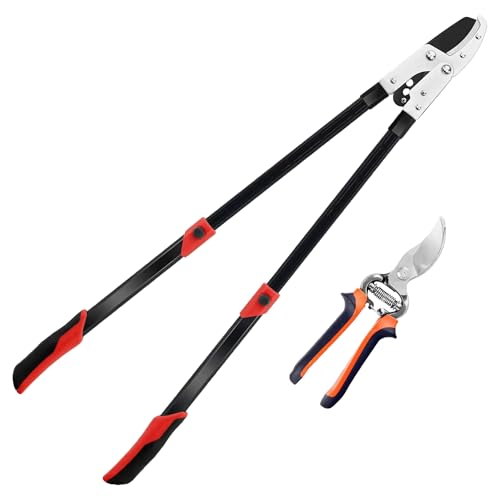
LONG LASTING SHARP: tree branch cutter alloy steel blade with teflon coated and low-friction coating that will long lasting sharp after tough job. Tree pruner is ideal for trimming green living or dry branches, chop through thick branches effortlessly

IDEAL TREE BRANCH CUTTER: 32" Steel blade bypass lopper that glides through up to 2" thick branches for easy cuts; Tree Pruner that works well for trimming tree branches to maintain your yard and garden

Powerful Compound Action Cutting – Compound leverage multiplies cutting force, making it easier to cut through thick, tough branches with less effort compared to standard loppers.
Conclusion
You’ve now explored the differences between pruners and loppers, understanding their unique strengths for pruning tasks. Remember, pruners excel in precision cutting for smaller branches, while loppers offer the power needed for larger and tougher jobs. By considering branch size, precision, and task complexity, you can make an informed decision on which tool suits your pruning needs best. Happy pruning!
Frequently Asked Questions
Pruners vs. Loppers: Which tool should I use for pruning tasks?
Answer: Pruners are ideal for branches up to ¾ inch thick, offering precision cutting for smaller plants. Loppers are suitable for branches up to 2 inches thick, providing the power needed for larger branches and tougher jobs.
What factors should I consider when choosing between pruners and loppers?
Answer: Consider the branch size you will be cutting, whether you prioritize precision cutting or need more power, and the complexity of the pruning task. These factors will help you select the right tool for efficient pruning.
