

Ever wondered how to effortlessly trim those overgrown branches without breaking a sweat? Picture this: you’re in your garden, surrounded by lush greenery, but the tools you have just aren’t cutting it – quite literally. That’s where a forged bypass lopper swoops in to save the day!
Have you ever struggled with dull, flimsy garden shears that leave your plants looking more frazzled than fabulous? Say goodbye to those frustrations because in this article, you’ll discover the magic of a forged bypass lopper. From its sturdy construction to its precise cutting action, this tool is about to become your new best friend in the garden.
The Anatomy of a Forged Bypass Lopper
When it comes to forged bypass loppers, understanding their anatomy is key to recognizing their efficiency and durability.
- Blades: The razor-sharp blades of a forged bypass lopper are designed to make clean, precise cuts. They work like a pair of scissors, with one sharp blade passing by the other to cleanly slice through branches.
- Handles: Typically made of strong materials like aluminum or steel, the handles of forged bypass loppers provide the leverage needed to cut through thicker branches with ease.
- Bypass Mechanism: This mechanism allows the blades to bypass each other, ensuring a clean and accurate cut. A crucial feature for maintaining the health of your plants.
- Gears: Some advanced models include gears near the pivot point which amplify the cutting power, making it easier to trim thicker branches without exerting too much force.
- Shock Absorbers: Found in premium models, shock absorbers in the handles reduce strain on your hands and arms, making prolonged use more comfortable.
Understanding the anatomy of a forged bypass lopper can help you appreciate how each component works together to provide a smooth and efficient cutting experience.
Benefits of Using a Forged Bypass Lopper
An essential tool for your gardening arsenal, the forged bypass lopper offers versatility and precision that can elevate your pruning experience. Here’s why incorporating this tool can make a significant difference in your gardening routine:
- Clean Cuts: The sharp, precise blades of a forged bypass lopper ensure that you can trim branches with ease and accuracy.
- Enhanced Reach: With the extended handles, you can access branches that are not easily reachable, allowing you to keep your garden tidy effortlessly.
- Durability: Crafted from high-quality materials, a forged bypass lopper is built to last, providing you with a reliable tool for all your pruning needs.
- Reduced Fatigue: The ergonomic design and shock-absorbing features minimize strain on your hands and arms, enabling you to work comfortably for extended periods.
- Efficiency: The bypass mechanism in these loppers enables smooth and clean cuts, promoting the healthy growth of your plants.
Remember, investing in a high-quality forged bypass lopper can transform your pruning tasks from mundane chores into enjoyable experiences that contribute to the beauty of your garden.
How to Properly Maintain Your Forged Bypass Lopper
Taking good care of your forged bypass lopper is essential to ensure its longevity and optimal performance. Here are some practical tips to help you maintain this valuable tool:
- Cleaning: After each use, wipe the blades of your lopper with a damp cloth to remove sap and debris. This prevents buildup and corrosion.
- Sharpening: Keep your lopper blades sharp for clean cuts. You can use a diamond file or sharpening stone for this task. Sharpen in the direction of the blade edge.
- Oil the Blades: Apply a thin layer of oil to the blades regularly to prevent rust and keep them moving smoothly. A few drops of machine oil work well for this purpose.
- Inspect the Tool: Regularly check for any loose screws or bolts on your lopper. Tighten them if needed to maintain the tool’s sturdiness.
- Storage: Store your forged bypass lopper in a dry place to prevent rusting. You can also hang it up to keep it safe and out of the way.
- Avoid Harsh Conditions: Try to avoid exposing your lopper to extreme heat or cold, as this can damage the tool over time.
Remember, with proper maintenance, your forged bypass lopper will continue to serve you well for years to come.
Recommended Products

COMMERCIAL GRADE CUTTING POWER: Designed for professional daily use. The high-carbon steel Alpha Blade features Impact-Forged construction to prevent blade deflection during heavy cuts. The specialized bypass geometry maintains a precision edge to slice through 2-inch green wood without crushing plant tissue.

Clean, Precision Bypass Cutting up to 1” Diameter – Sharp, forged steel bypass blade delivers smooth, scissor-like cuts through live branches, stems, and green wood up to 1 inch thick, helping reduce plant damage and promote faster, healthier regrowth.

Forged Steel Construction for Long-Lasting Durability – Built from forged steel to provide superior strength and reliable performance for demanding pruning and garden maintenance tasks.
Tips for Choosing the Right Forged Bypass Lopper
When selecting a forged bypass lopper, there are several key factors to consider:
- Blade Material: Look for high-quality steel blades which are durable and provide clean cuts.
- Cutting Capacity: Consider the maximum cutting diameter the lopper can handle, ensuring it meets your needs.
- Blade Coating: Opt for blades with a non-stick coating to reduce friction and sap buildup.
- Handle Length: Choose a lopper with handles that are comfortable and suit your reach for ergonomic use.
- Grip Design: Prioritize loppers with ergonomic grips that provide a secure hold and reduce hand fatigue.
- Overall Quality: Invest in a well-constructed lopper that will last longer and perform better over time.
- Brand Reputation: Research and select a reputable brand known for producing high-quality gardening tools.
By considering these factors, you can ensure that you choose a forged bypass lopper that meets your specific needs and lasts for many gardening seasons to come.
Recommended Products

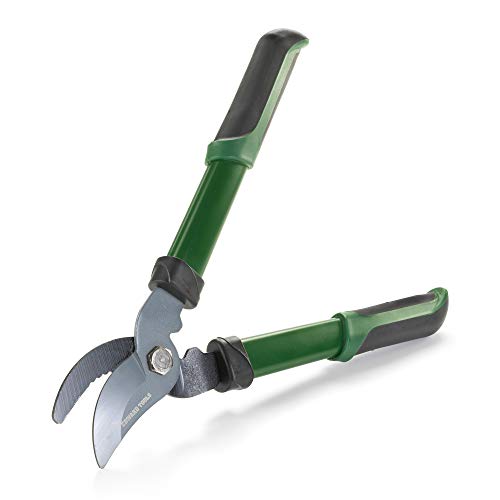
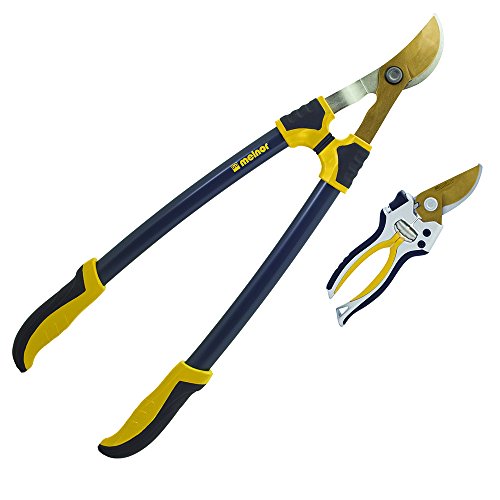
Cuts Thick Branches up to 2 Inches – Delivers exceptional cutting power for tackling large limbs, dense shrubs, and tough woody growth. Ideal for tree trimming, landscaping, and heavy-duty yard maintenance.
Conclusion
Choosing the right forged bypass lopper is crucial for your gardening needs. By focusing on factors like blade material, cutting capacity, handle length, and overall quality, you can find a lopper that suits you best. Remember to consider blade coating for reduced friction, grip design for comfort, and the brand’s reputation for reliability. With these tips in mind, you’ll be well-equipped to select a lopper that will serve you well for years to come. Happy gardening!
Frequently Asked Questions
What should I consider when choosing a forged bypass lopper?
When choosing a forged bypass lopper, consider factors like blade material for durability, cutting capacity, blade coating for reduced friction, handle length for comfort, grip design, overall quality, and brand reputation.
Why is it important to maintain my forged bypass lopper?
Maintaining your forged bypass lopper is crucial for longevity and optimal performance. Regular maintenance ensures smooth cutting, prolongs its lifespan, and enhances your gardening experience.
How can I increase the longevity of my forged bypass lopper?
To increase the longevity of your forged bypass lopper, clean it after use, oil the blades regularly, store it in a dry place, and avoid using it on materials it’s not designed for. Proper care will extend its lifespan.
