

So, you've planted a tamarind tree and can't wait for the tasty fruit it'll produce. But here's the thing – tamarind trees are picky about where they grow and the type of soil they like.
Why do they need well-drained soil, you ask? Let's find out. Understanding this requirement is key to keeping your tamarind tree healthy and productive.
Key Takeaways
- Well-drained soil is crucial for tamarind trees as it ensures proper water distribution and prevents water accumulation around the roots.
- Poor drainage can hinder root respiration and nutrient absorption, leading to stunted growth and yellowing of leaves.
- Waterlogged soil increases the vulnerability of tamarind trees to diseases, pests, and root rot.
- Optimal soil conditions for tamarind tree growth include sandy loam or loamy soil with organic content, promoting deep and extensive root development while preventing waterlogging and root rot.
Importance of Well-Drained Soil for Tamarind Trees
To ensure the health and vitality of your tamarind trees, it's crucial to plant them in well-drained soil that allows for proper water distribution and prevents waterlogging. Soil aeration is essential for tamarind trees as it helps the roots to breathe and facilitates nutrient absorption. Well-drained soil prevents water from accumulating around the roots, thereby reducing the risk of root rot. It also aids in maintaining the optimal oxygen levels around the root zone, which is vital for the overall health of the tree.
When tamarind trees are planted in well-drained soil, excess water is able to flow away from the roots, preventing waterlogging. This promotes a healthy root system and reduces the likelihood of diseases caused by overly wet conditions. By prioritizing well-drained soil, you can ensure the long-term health and productivity of your tamarind trees.
Impact of Poor Drainage on Tamarind Trees
If your tamarind trees are struggling to thrive, poor drainage could be the culprit, leading to water accumulation around the roots, hindering their ability to breathe and absorb nutrients effectively. Root suffocation due to waterlogging can result in nutrient deficiency, as the roots are unable to uptake essential elements from the soil. This can lead to growth stunting and yellowing of leaves, impacting the overall health and productivity of the trees.
Additionally, stagnant water around the roots creates an environment conducive to disease susceptibility, making the trees more vulnerable to infections and rot. Addressing poor drainage is crucial to ensure the optimal growth and health of your tamarind trees, as it directly impacts their ability to access essential nutrients and oxygen while reducing the risk of diseases.
Role of Soil Drainage in Tamarind Tree Health
Ensuring proper soil drainage is essential for maintaining the health and vitality of your tamarind trees. Adequate soil drainage is crucial as it directly impacts the soil composition and root development, both of which are vital for the overall health of your tamarind trees. Poorly drained soil can lead to waterlogged conditions, which deprive the roots of oxygen, stunting their growth and making them susceptible to diseases. On the other hand, well-drained soil allows the roots to access the necessary oxygen, nutrients, and water, promoting healthy root development and overall tree vigor. To illustrate the importance of soil drainage, consider the following table:
| Aspects | Poorly Drained Soil | Well-Drained Soil |
|---|---|---|
| Waterlogging | High | Low |
| Root Health | Compromised | Healthy |
| Nutrient Access | Limited | Optimal |
| Disease Risk | High | Low |
| Overall Health | Poor | Excellent |
Recommended Products

Made For Potted Citrus Trees: Our citrus potting soil mix is made for potted lemon, lime, orange and other citrus trees that need a lighter growing medium for repotting. We double-screen all of our raw ingredients to support a cleaner, more consistent texture for pouring and repotting potted citrus trees.

🌳 Mango Majesty Unveiled: Elevate your Mango Tree care with Gardenera's meticulously crafted Mango Tree Potting Mix, designed to nurture the growth and bounty of your mangoes.
![GARDENERA Palm Tree Potting Mix - The Ultimate Soil for Strong and Healthy Palms - Top Choice for Palm Tree Growers [3 Quart Bag]](https://m.media-amazon.com/images/I/41VCs-ycCsL._SL500_.jpg)
🌴 Ideal for all types of palm trees: Our potting mix works great for all palm trees, including common varieties like the Kentia Palm, Phoenix Palm, and Areca Palm. This 10 quart bag provides a large amount of mix for multiple potted palm trees or larger outdoor palm trees.
Consequences of Waterlogged Soil for Tamarind Trees
Proper soil drainage is crucial for the health of your tamarind trees. Waterlogged conditions can significantly impact their overall vigor and resilience. When soil becomes waterlogged, it deprives the roots of essential oxygen, leading to root rot. This can weaken the tamarind tree and make it more susceptible to diseases and pests.
Moreover, waterlogged soil hinders the development of a healthy root system. A healthy root system is essential for anchoring the tree and absorbing nutrients. It also disrupts the microbial activity in the soil, affecting nutrient availability for the tamarind tree.
Optimal Soil Conditions for Tamarind Tree Growth
To optimize the growth of your tamarind trees, ensuring the soil provides optimal drainage is essential for their health and vitality.
The optimal soil conditions for tamarind tree growth include:
- Soil Composition
Sandy loam or loamy soil with good organic content is ideal for tamarind trees. These soil types provide the right balance of drainage and moisture retention, supporting healthy root development and overall tree growth.
- Root Development
Well-drained soil is crucial for promoting deep and extensive root development in tamarind trees. It allows the roots to access oxygen and nutrients while preventing waterlogging, which can lead to root rot and poor growth.
Creating these optimal soil conditions will ensure that your tamarind trees thrive and produce an abundant yield of delicious fruits.
Recommended Products
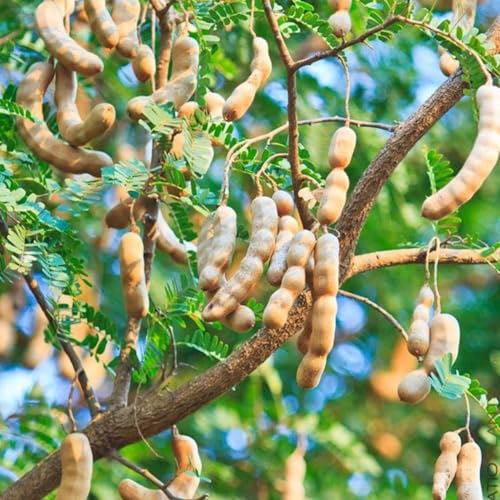
Prefers full sun for optimal growth and canopy development

You will receive 1 live Tamarind tree approximately 4–7 inches tall, growing in soil in a 4 inch pot

STARTING A TROPICAL GARDEN- Comprised of real horticultural grade ingredients such as shredded coir husk, pine bark, perlite, sand, and garden lime; no pelletized fertilizer
Conclusion
In providing well-drained soil for your tamarind trees, you're ensuring their long-term health and productivity.
By avoiding issues like root rot, you're setting the stage for thriving growth and abundant fruit production.
So, remember to prioritize good drainage, and you'll be rewarded with flourishing tamarind trees for years to come.
