

Tamarind is more than just a tangy addition to dishes. Beyond its culinary uses, it has potential in traditional medicine and herbal remedies.
Exploring tamarind's versatility reveals surprising possibilities.
Key Takeaways
- Tamarind is a versatile ingredient that adds a tangy and slightly sweet flavor to dishes.
- It can be used in various cuisines and is commonly found in Asian, Indian, Latin, and Middle Eastern dishes.
- Tamarind is used in sauces, marinades, dressings, and dipping sauces, and pairs well with spices like cumin, coriander, and chili.
- In traditional medicine, tamarind is valued for its digestive benefits, soothing properties, and anti-inflammatory and antibacterial effects.
Tamarind in Cooking
Tamarind, with its tangy and slightly sweet flavor, is a versatile ingredient that adds a unique depth to a wide variety of dishes from savory to sweet. Its distinctive taste can elevate the flavor profile of many cuisines.
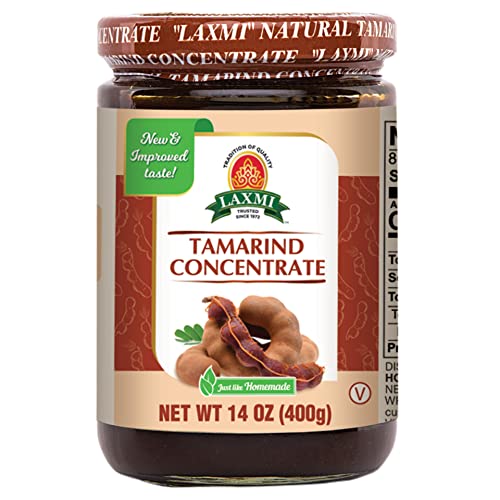
Tamarind flavor is commonly found in Asian, Indian, Latin, and Middle Eastern dishes, adding a delightful zing to curries, chutneys, and stir-fries. Tamarind sauces, such as the popular tamarind concentrate or tamarind paste, are widely used in cooking to impart a delicious sweet and sour tang to marinades, dressings, and dipping sauces.
Whether you're preparing a tangy tamarind-glazed chicken, a zesty tamarind-infused pad Thai, or a refreshing tamarind cooler, this versatile ingredient is sure to bring a burst of flavor to your culinary creations.
Recommended Products

AUTHENTIC TAMARIND, READY FOR YOUR RECIPES — Made from natural tamarind fruit, Tamicon delivers a rich sweet-and-sour flavor in a concentrated formula for everyday cooking, sauces, and recipes.

AUTHENTIC TAMARIND, READY FOR YOUR RECIPES — Made from natural tamarind fruit, Tamicon delivers a rich sweet-and-sour flavor in a concentrated formula for everyday cooking, sauces, and recipes.

You'll LOVE our Tamarind Paste (Imli) by Rani Brand--Here's Why:
Tamarind in Traditional Medicine
Exploring the historical uses of tamarind in traditional medicine reveals its potential as a remedy for various ailments and health conditions. Tamarind paste has been valued for its medicinal properties for centuries, offering a natural approach to wellness.
When you think about the versatility of tamarind in traditional medicine, it's hard not to feel amazed at how a single ingredient can address such a wide range of health issues.
The knowledge that people have been using tamarind for generations to alleviate digestive problems and reduce fever can evoke a sense of wonder at the power of natural remedies.
Tamarind's role in traditional medicine not only showcases its versatility but also highlights the deep-rooted connection between nature and healing, leaving you with a profound respect for the wisdom of ancient practices.
Recommended Products

100% Natural Tamarind Paste,No Sugar added
Best quailty

Cleaner Alternative to Paste & Powder: Unlike sticky pastes or loose powders, these tamarind supplement capsules provide a cleaner and easier daily option with no mixing, scooping, or messy preparation.
Tamarind Recipes
Having discovered the diverse uses of tamarind in traditional medicine, it's now time to explore its incorporation into delectable recipes that showcase its unique flavor and health benefits.
Tamarind's tangy and slightly sweet flavor makes it a versatile ingredient in both savory and sweet dishes. For savory dishes, tamarind pairs well with spices like cumin, coriander, and chili, adding depth to curries, marinades, and chutneys. The natural acidity of tamarind also makes it a great addition to marinades for meat and seafood.
In desserts, tamarind can be used to make refreshing sorbets, tangy tarts, and even sweet and sour candies. Its unique combination of sweet and tangy flavors makes it an exciting ingredient for creative bakers and dessert enthusiasts.
Recommended Products

Indian delicacy

Natural Flavor Enhancer : Tamarind Paste, crafted for culinary enthusiasts and chefs to add a tangy zest to dishes.

Tamarind Health Benefits
With its numerous health benefits, tamarind offers a natural way to enhance your well-being and culinary experiences. This unique fruit is packed with essential nutrients and antioxidants that can positively impact your health.
Here are a couple of reasons why tamarind is a fantastic addition to your diet:
- Boosts Your Nutrition
Tamarind is rich in essential vitamins and minerals, including vitamin C, B vitamins, potassium, magnesium, and iron. These nutrients can contribute to improved overall health and vitality.
- Powerful Antioxidant Properties
Tamarind contains potent antioxidants such as polyphenols, flavonoids, and vitamin C. These antioxidants help combat free radicals in the body, potentially reducing the risk of chronic diseases and supporting healthy aging.
Incorporating tamarind into your meals can't only add delightful flavors but also contribute to your overall well-being.
Tamarind in Herbal Remedies
As you consider the diverse applications of tamarind, its role in herbal remedies becomes a compelling aspect of its versatile nature, offering potential benefits beyond its culinary allure. Tamarind has been traditionally used in herbal medicine for its various health-promoting properties. Tamarind tea, made from steeping tamarind paste in hot water, is known for its soothing effects on the digestive system and its ability to relieve symptoms of indigestion and constipation. Additionally, tamarind paste is used topically as a natural remedy for minor skin irritations and insect bites due to its anti-inflammatory and antibacterial properties. Below is a table summarizing the herbal uses of tamarind:
| Herbal Remedies | Benefits |
|---|---|
| Tamarind Tea | Soothes digestive system, relieves indigestion and constipation |
| Tamarind Paste | Topical remedy for skin irritations and insect bites |
Conclusion
Tamarind, with its tangy flavor and medicinal properties, is truly a versatile fruit. Whether used in cooking or traditional medicine, its unique benefits shine through.
From tangy chutney to soothing tea, there are countless ways to incorporate tamarind into your diet and wellness routine.
Embrace the world of tamarind to savor its delicious taste and reap its health benefits.
