

Guava trees are often targeted by pests due to various factors. Understanding these reasons is important for effective pest management.
From the tree's characteristics to the environmental conditions it thrives in, there are many aspects to consider. Let's explore why guava trees are prone to pest attacks and uncover the underlying causes.
Key Takeaways
- Guava trees are prone to pest attacks due to their preference for tropical and subtropical regions, which provide an ideal environment for pests.
- Factors such as warm and humid climates, poor soil quality, and soil nutrient deficiencies can weaken guava trees, making them more vulnerable to pests.
- Natural pest control methods for guava trees include introducing natural predators or parasites, using organic pesticides, practicing cultural methods such as pruning and maintaining soil health, and implementing integrated pest management.
- To prevent future pest attacks on guava trees, regular inspections, encouraging natural predators, planting pest-repelling companion plants, and using physical barriers and chemical-free solutions can be effective.
Guava Tree Characteristics
When cultivating guava trees, it's crucial to understand their unique characteristics to ensure successful growth and fruit production. Guava trees require proper care to thrive and yield bountiful fruits.
These trees prefer full sunlight and well-drained soil, thriving in tropical and subtropical regions. Regular watering is essential, especially during dry spells, to support fruit production.
Pruning is also vital for guava trees to maintain a manageable size and encourage new growth. Additionally, fertilizing the trees with a balanced fertilizer can enhance fruit production. Guava trees are susceptible to certain pests and diseases, so it's important to monitor their health regularly.
Understanding these characteristics and providing proper tree care are essential for cultivating healthy guava trees and ensuring abundant fruit production.
Common Pests Affecting Guava Trees
Examine the leaves and fruit of your guava trees regularly for signs of pest infestation, as early detection is crucial for effective management and preservation of tree health. Guava trees are susceptible to various pests that can significantly impact their growth and fruit production.
Here are the common pests affecting guava trees:
- Guava Moth (Cryptophlebia illepida): The larvae of this moth bore into the fruit, causing damage and making it susceptible to rot.
- Fruit Flies (Bactrocera correcta and Bactrocera dorsalis): These pests lay eggs on the fruit, leading to infestation and premature fruit drop.
- Red-banded Thrips (Selenothrips rubrocinctus): These tiny insects feed on the leaves, causing them to develop silver-gray scars and affecting the tree's overall health.
To prevent pest infestations, implement regular monitoring, proper sanitation, and consider using natural predators or approved pesticides.
Recommended Products

KILLS LISTED FRUIT & CITRUS TREE INSECTS: Controls Asian Citrus Psyllid, Whiteflies, Aphids Thrips, Citrus Leafminers, Leafhoppers, Blackfly, Mealybugs, Scales, Avocado Lacebugs, Oriental Beetles, Flea Beetles, Sharpshooters, and Spittlebugs

INSECT KILLER: Fast-acting formula kills listed insects including aphids, Japanese beetles, caterpillars, whiteflies, and other listed pests on contact

Environmental Factors Contributing to Pest Attacks
Environmental conditions play a crucial role in determining the susceptibility of guava trees to pest attacks, influencing the prevalence and impact of various pests on the trees.
Climate influence is a significant factor, as guava trees thrive in tropical and subtropical regions, making them particularly susceptible to pests in these areas. The warm and humid climate provides an ideal environment for pests to thrive and infest the trees.
Additionally, soil conditions also contribute to pest attacks, with poor soil quality affecting the overall health of the trees, making them more vulnerable to pest infestations. Soil nutrient deficiencies can weaken the trees, making it easier for pests to cause damage.
Therefore, understanding and managing the environmental factors such as climate and soil conditions is crucial in preventing and controlling pest attacks on guava trees.
Natural Pest Control Methods for Guava Trees
Natural pest control methods for guava trees involve utilizing biological agents, organic substances, and cultural practices to manage and mitigate pest infestations while promoting the health and vitality of the trees.
Here are three effective natural pest control methods for guava trees:
- Biological Control:
Introduce natural predators or parasites of guava tree pests, such as ladybugs for aphid control or parasitic wasps for caterpillar management. These biological agents help maintain a natural balance and reduce pest populations.
- Organic Pesticides:
Use organic solutions like neem oil, garlic spray, or soap-based insecticides to combat pests while minimizing harm to beneficial insects and the environment.
- Cultural Practices:
Implement techniques like pruning to improve air circulation, removing fallen fruits to reduce pest attraction, and maintaining soil health to enhance tree resilience and minimize pest susceptibility.
Recommended Products

FUNGAL DISEASE CONTROL: Prevents and controls black spot on roses, powdery mildew, rust, downy mildew, and other listed fungal diseases when applied on a 7–14 day schedule
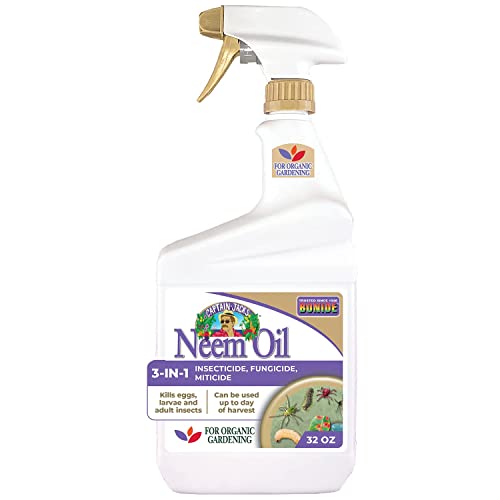
Protect your oasis with 3 garden products in 1 from Captain Jack’s; Bonide Captain Jack’s Ready-to-Use Neem Oil spray for plants is a multi-purpose fungicide, insecticide and miticide for your lawn & garden
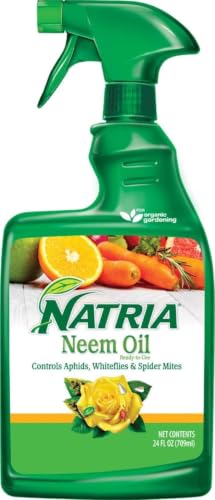
PLANT DISEASE CONTROL: Natria Neem Oil acts as an insecticide and fungicide in one convenient spray; Ready-to-use trigger sprayer requires no mixing
Preventing Future Pest Attacks on Guava Trees
To safeguard your guava trees from future pest attacks, it's crucial to proactively implement preventive measures that complement the natural pest control methods discussed earlier.
Integrated pest management (IPM) is a holistic approach that emphasizes proactive prevention. Regularly inspect your guava trees for signs of pest infestations and promptly address any issues.
Encourage natural predators like ladybugs and lacewings, which feed on common guava pests. Additionally, consider planting pest-repelling companion plants such as marigolds or garlic near your guava trees.
Utilize physical barriers like row covers or sticky traps to deter pests from infesting your trees. Embrace chemical-free solutions such as neem oil or insecticidal soaps to target specific pest problems while minimizing harm to beneficial insects.
Recommended Products


ADVANCED FORMULA: Emulsifiers built into the formula so you just add water. 100% pure oils require an emulsifier to allow oil and water to mix. Nature's IQ has this already built in so you just add water.

Conclusion
Incorporate regular pest inspections to safeguard your guava trees from future attacks. Maintain optimal environmental conditions to protect the health of your trees. Utilize natural pest control methods to keep pests at bay.
By staying proactive and attentive, you can ensure a plentiful yield of delicious, nutritious guavas for years to come. Happy gardening!
