Close Menu
    Fruit Tree Hub
    • Home
    • Apple Trees
    • Lemon Trees
    • Mango Trees
    • Orange Trees
    • More Trees
      • Best Fruit Trees
      • Apricot Trees
      • Cherry Trees
      • Fig Trees
      • Lime Trees
      • Mulberry Trees
      • Peach Trees
      • Pear Trees
      • Plum Trees
      • Pomegranate Trees
    • Tips and Advice
      • Tools
    • About Us
      • Contact
      • Privacy Policy
    Fruit Tree Hub
    Home»Loquat Trees»How to Control Pests on Loquat Trees
    Loquat Trees

    How to Control Pests on Loquat Trees

    Lucy SmithBy Lucy SmithMarch 1, 20244 Mins Read
    Share Facebook Twitter Pinterest WhatsApp Email
    Share
    Facebook Twitter LinkedIn Pinterest Telegram Email

    When it comes to dealing with pests on your loquat trees, it's all about finding the right balance between protecting your trees and the natural environment.

    Contents show
    1 Key Takeaways
    2 Identifying Common Pests on Loquat Trees
    3 Natural and Organic Pest Control Methods
    4 Chemical Pest Control Options
    5 Preventing Future Pest Infestations
    6 Seeking Professional Help for Severe Pest Issues
    7 Conclusion

    Pests like aphids, fruit moths, and scale insects can cause problems, but there are ways to handle them. From natural and organic solutions to using chemicals, there are options to consider.

    Understanding the best approach for your situation is key. Let's look at ways to protect your loquat trees from these pests and ensure a good harvest.

    Key Takeaways

    • Inspect loquat trees regularly for signs of pest infestation or damage
    • Use natural and organic pest control methods such as companion planting and DIY traps before resorting to chemicals
    • Consider chemical pest control options if natural methods are ineffective, but choose low environmental impact options
    • Implement integrated pest management practices, including cultural practices and seeking professional help for severe pest issues

    Identifying Common Pests on Loquat Trees

    To identify common pests on your loquat trees, closely inspect the leaves, branches, and fruits for any signs of infestation or damage. Look for aphids, scale insects, and caterpillars, which are common pests that can affect loquat trees.

    Aphids are tiny, pear-shaped insects that can be green, black, or brown and are usually found on the undersides of leaves. Scale insects appear as small, raised bumps on the branches and leaves. Caterpillars often leave behind chewed or damaged leaves.

    MUST READ
    How Loquat Trees Benefit Local Ecosystems

    To monitor for pests, regularly check the foliage and branches for any unusual spots, webs, or holes. Additionally, shake the branches to dislodge any hidden pests.

    Natural and Organic Pest Control Methods

    Inspecting your loquat trees for common pests is just the first step in maintaining their health. Employing natural and organic pest control methods can help you effectively manage any infestations without resorting to harsh chemicals.

    Companion planting is a great way to naturally deter pests. Consider planting garlic, chives, or marigolds near your loquat trees. These plants repel common pests like aphids and mealybugs.

    Additionally, DIY pest traps can be effective in controlling infestations. For example, you can create a simple beer trap for slugs and snails. Bury a container filled with beer near the base of the tree. The pests are attracted to the beer, fall in, and are unable to escape.

    These natural and organic methods aren't only effective but also environmentally friendly. They promote the health and balance of your garden ecosystem.

    Recommended Products
    Bonide Captain Jack's Fruit Tree Spray, 16 oz Concentrate, Insect & Disease Control Spray for Organic Gardening
    Bonide Captain Jack's Fruit Tree Spray, 16 oz Concentrate, Insect & Disease Control Spray for Organic Gardening

    Control diseases and insects in your garden with Captain Jack’s Fruit Tree Spray Concentrate! Use on a variety of listed fruits, nuts and citrus plants.

    VIEW LATEST PRICE

    As an affiliate, we earn on qualifying purchases.

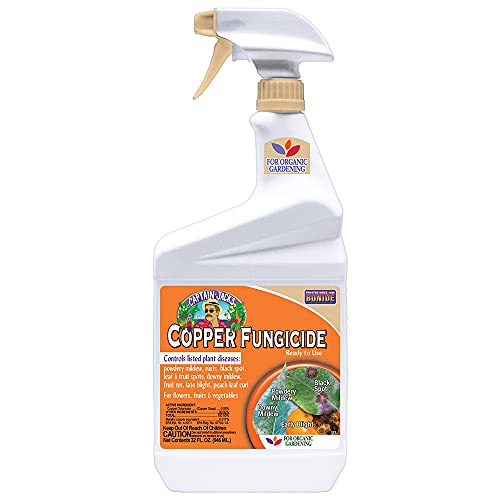
    Bonide Captain Jack's Copper Fungicide, 32 oz Ready-to-Use Spray for Organic Gardening, Controls Common Diseases
    Bonide Captain Jack's Copper Fungicide, 32 oz Ready-to-Use Spray for Organic Gardening, Controls Common Diseases

    Control fungus and disease in your garden with Captain Jack’s ready-to-use Liquid Copper Fungicide!

    VIEW LATEST PRICE
    MUST READ
    Where to Plant Loquat Trees for Best Fruit Production

    As an affiliate, we earn on qualifying purchases.

    Mighty Mint Peppermint Oil Plant Protection Spray – Insect & Pest Control for Gnats, Spider Mites & Aphids – Plant-Based, Easy-to-Use - 16 oz
    Mighty Mint Peppermint Oil Plant Protection Spray – Insect & Pest Control for Gnats, Spider Mites & Aphids – Plant-Based, Easy-to-Use - 16 oz

    Plant-Based Pest Protection: Helps protect plants from common pests including gnats, spider mites, aphids, fungus issues, and other plant-damaging insects using plant-based ingredients.

    VIEW LATEST PRICE

    As an affiliate, we earn on qualifying purchases.

    Chemical Pest Control Options

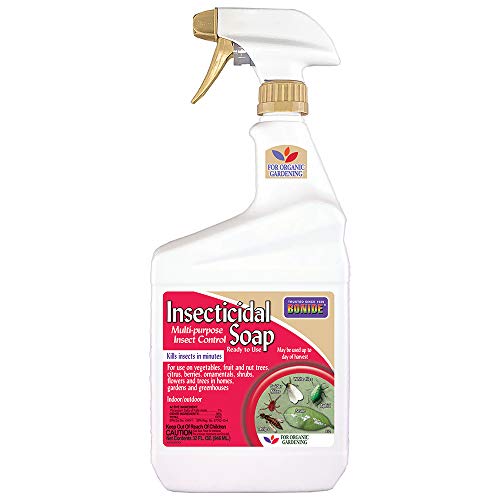
    Consider using chemical pest control options if natural and organic methods have not effectively managed the infestations on your loquat trees. When using chemical pesticides, it's crucial to consider their environmental impact and ensure proper application to minimize harm to beneficial insects, wildlife, and the surrounding ecosystem. Here are some common chemical pest control options for loquat trees:

    Chemical Pest Control OptionsEnvironmental Impact
    Insecticidal SoapLow impact
    Neem OilLow impact
    Pyrethroid InsecticidesModerate impact
    SpinosadLow impact
    Horticultural OilLow impact

    Before using any chemical pesticide, carefully read and follow the instructions on the label for proper application. Always prioritize the health of your loquat trees and the surrounding environment.

    Preventing Future Pest Infestations

    If you want to safeguard your loquat trees from future pest infestations, understanding the environmental impact of chemical pest control options and implementing preventive measures is crucial.

    Integrated pest management (IPM) is a holistic approach that combines biological, cultural, physical, and chemical tactics to manage pests effectively while minimizing environmental impact.

    Cultural practices, such as proper pruning, mulching, and maintaining tree health, play a significant role in preventing pest infestations. Pruning helps improve air circulation and sunlight exposure, reducing favorable conditions for pests. Mulching helps retain soil moisture and improve soil health, creating a more robust tree that's less susceptible to pests.

    MUST READ
    The Best Companion Plants for Loquat Trees

    Seeking Professional Help for Severe Pest Issues

    When dealing with severe pest issues on your loquat trees, consulting a professional arborist or horticulturist is essential for effective and targeted pest management. If you're experiencing persistent pest problems despite your best efforts, it may be time to seek expert help.

    Professional arborists can assess the severity of the infestation and recommend appropriate treatments. They can also provide valuable advice on pest resistant tree varieties that are better suited to your specific environment.

    Additionally, horticulturists can offer guidance on integrated pest management techniques, which focus on preventing and managing pests through a combination of biological, cultural, and chemical controls.

    Conclusion

    Incorporating regular pest inspections and utilizing natural control methods will safeguard your loquat trees and promote a thriving harvest.

    Should the infestation escalate, professional assistance can effectively manage the issue and prevent future setbacks.

    Happy gardening, and may your loquat trees flourish for seasons to come.

    Share. Facebook Twitter Pinterest LinkedIn Tumblr Email
    lucy smith
    Lucy Smith
    • Website

    Lucy Smith is a highly experienced horticulturist with a passion for fruit tree cultivation. She holds a degree in Horticulture from the University of California, Davis, and has worked in various roles in the industry. With over 10 years of experience, Lucy is dedicated to using eco-friendly methods for sustainable gardening practices.

    Related Posts

    Why Do Loquat Trees Produce Edible Fruit

    March 5, 2024

    Can Loquat Trees Adapt to Climate Change

    March 5, 2024

    Creating a Wildlife Habitat With Loquat Trees

    March 5, 2024

    Where Are Loquat Trees Considered Invasive

    March 5, 2024

    Is Loquat Tree Pollen Allergenic

    March 5, 2024

    Can Loquat Trees Be Used in Traditional Medicine

    March 5, 2024
    Leave A Reply Cancel Reply

    Affiliate Disclosure

    As an Amazon Associate I earn from qualifying purchases.

    Recommended Reading

    How to Grow Lime Trees in Las Vegas, NV: Desert Growth

    Do Cherry Trees Produce Fruit Every Year: Understanding Factors That Impact Yield

    Does Banana Tree Gives Fruit Only Once: Discover the Truth About Their Lifespan and Growth

    How Long Do Apple Trees Take to Produce Fruit: A Complete Guide for Aspiring Gardeners

    Tangerine Trees in a Pot in New York City, NY (Rooftop Tips)

    When is Best to Plant Fruit Trees: Tips for Timing and Successful Growth

    Do Tangerines Grow on Trees or Bushes? Understanding Cultivation and Harvesting Techniques for Thriving Tangerine Trees

    Can Fruit Trees Grow Indoors: A Complete Guide to Thriving Indoor Orchards

    Cherry Trees in Louisiana: Humidity and Drainage Strategies

    Do Fruit Trees Like Manure for Healthy Growth and Maximum Yields?

    Fruit Tree Hub

    Fruit Tree Hub is a website dedicated to providing you everything you need to grow fruit trees successfully at in your own yard.

    Contact us at: [email protected]

    - AFFILIATE DISCLOSURE: As an Amazon Associate I earn from qualifying purchases.

    Latest Posts

    Persimmon Trees in a Pot in Columbus, OH: Ohio Valley Potting Tips

    Can Walnut Trees Grow in Los Angeles, CA? Pro Secrets

    Fig Trees in Richmond, VA (Capital Region Planting Guide)

    Mango Trees in a Pot in South Dakota (Hardy Potted Variety Tips)

    Mulberry Trees in Michigan (Surviving Great Lakes Winters)

    How to Grow Lime Trees in Minneapolis, MN: Cold-Hardy Tips

    Tamarind Trees in a Pot in Dallas, TX: Surviving Summer Heat

    Papaya Trees in a Pot in Phoenix, AZ: Desert Sun Protection Tips

    Categories
    • Almond Trees
    • Apple Trees
    • Apricot Trees
    • Best Fruit Trees
    • Blackberry
    • Cantaloupe
    • Cherry Trees
    • Crochet Ideas
    • Crochet Ideas for Beginners
    • Cucamelon
    • Easy Crochet Ideas
    • Easy Knitting Projects
    • Fig Trees
    • Grapefruit Trees
    • Grapes
    • Guava Trees
    • Honeydew
    • Jujube Trees
    • Kiwi
    • Knitting For Beginners
    • Knitting Ideas
    • Knitting Inspiration
    • Lemon Trees
    • Lime Trees
    • Loquat Trees
    • Mango Trees
    • Mulberry Trees
    • Nectarine Trees
    • Olive Trees
    • Orange Trees
    • Papaya Trees
    • Peach Trees
    • Pear Trees
    • Persimmon Trees
    • Planting
    • Plum Trees
    • Pomegranate Trees
    • Quince Trees
    • Raspberry
    • Reviews
    • Small Crochet Ideas
    • Star Fruit Trees
    • Summer Crochet Ideas
    • Tamarind Trees
    • Tangerine Trees
    • Tips and Advice
    • Tools
    • Uncategorized
    • Walnut Trees
    © 2026 Fruit Tree Hub
    • Home
    • About Us
    • Contact
    • Privacy Policy
    • Terms and Conditions
    • Disclaimer
    • Editorial Policy
    • Affiliate Disclosure

    Type above and press Enter to search. Press Esc to cancel.