
Close Menu
    Fruit Tree Hub
    • Home
    • Apple Trees
    • Lemon Trees
    • Mango Trees
    • Orange Trees
    • More Trees
      • Best Fruit Trees
      • Apricot Trees
      • Cherry Trees
      • Fig Trees
      • Lime Trees
      • Mulberry Trees
      • Peach Trees
      • Pear Trees
      • Plum Trees
      • Pomegranate Trees
    • Tips and Advice
      • Tools
    • About Us
      • Contact
      • Privacy Policy
    Fruit Tree Hub
    Home»Loquat Trees»How Loquat Trees Benefit Local Ecosystems
    Loquat Trees

    How Loquat Trees Benefit Local Ecosystems

    Lucy SmithBy Lucy SmithFebruary 28, 20245 Mins Read
    Share Facebook Twitter Pinterest WhatsApp Email
    Share
    Facebook Twitter LinkedIn Pinterest Telegram Email

    Loquat trees are a common sight in many neighborhoods, adding natural beauty to the surroundings.

    Contents show
    1 Key Takeaways
    2 Loquat Trees: Key Ecosystem Players
    3 Loquat Trees: Soil Enrichment
    4 Loquat Trees: Biodiversity Support
    5 Loquat Trees: Wildlife Habitat
    6 Loquat Trees: Air Quality Improvement
    7 Conclusion

    But did you know they also play a crucial role in supporting the local ecosystem?

    These trees contribute in important ways to the environment, benefiting the immediate area and the larger ecosystem.

    Understanding their impact may surprise you and deepen your appreciation for these essential members of your local habitat.

    Key Takeaways

    • Loquat trees play a vital role in supporting local ecosystems and biodiversity by attracting beneficial insects, providing food for animals, and offering shelter and nesting sites for birds and small creatures.
    • These trees contribute to soil enrichment and nutrient cycling by forming a natural mulch with fallen leaves, promoting water retention and aeration, and stimulating beneficial microbial activity in the soil.
    • Loquat trees attract pollinators such as bees and butterflies, supporting the reproduction of various plant species and sustaining a thriving community of wildlife.
    • With their lush foliage and abundant fruit, loquat trees create a welcoming habitat for wildlife, including birds, squirrels, and insects, adding to the enchanting wildlife observation experience.

    Loquat Trees: Key Ecosystem Players

    Loquat trees not only provide delicious fruit, but they also play a crucial role in local ecosystems by supporting diverse wildlife and contributing to the overall biodiversity.

    These trees are essential for pollinator attraction, with their fragrant, creamy-white flowers attracting bees, butterflies, and other beneficial insects.

    The abundant fruit production of loquat trees provides a vital food source for various animals, including birds and small mammals. As the animals feed on the loquats, they aid in seed dispersal, helping the trees propagate and expand their presence in the ecosystem.

    MUST READ
    Can Loquat Trees Grow in Cold Climates

    Additionally, the dense foliage of loquat trees offers shelter and nesting sites for birds and other small creatures, further enriching the local biodiversity.

    Loquat Trees: Soil Enrichment

    Enriching the soil with essential nutrients and organic matter, loquat trees play a vital role in maintaining the fertility and health of the surrounding ecosystem. As their fallen leaves and fruit decompose, they release valuable nutrients back into the soil, promoting soil fertility and supporting nutrient cycling.

    Here's how loquat trees contribute to soil enrichment:

    • Leaf litter: The fallen leaves from loquat trees form a natural mulch, enriching the soil with organic matter and essential nutrients.
    • Nutrient cycling: Loquat trees actively participate in the cycling of nutrients, ensuring a continuous supply of vital elements for other plants and organisms.
    • Soil structure improvement: The organic matter from loquat trees enhances soil structure, promoting better water retention and aeration.
    • Microbial activity: The presence of loquat tree roots stimulates beneficial microbial activity in the soil, further enhancing its fertility.

    Recommended Products

    Brut Organic Aspen Mulch 1 CU FT – Natural Moisture Retainer & Root Protector – Odor-Free, Nutrient-Rich Bark Mulch for Landscaping, Garden Beds & Potted Plants
    Brut Organic Aspen Mulch 1 CU FT – Natural Moisture Retainer & Root Protector – Odor-Free, Nutrient-Rich Bark Mulch for Landscaping, Garden Beds & Potted Plants

    NATURAL GARDEN COVER: Creates a clean, polished garden surface while helping minimize weed growth naturally. This organic mulch also supports healthy soil structure and nutrient balance for thriving plants.

    VIEW LATEST PRICE

    As an affiliate, we earn on qualifying purchases.

    Back to the Roots 100% Organic Mulch, 58 Quart (2 Cubic ft), Expanding Coconut Husk Block for Gardening
    Back to the Roots 100% Organic Mulch, 58 Quart (2 Cubic ft), Expanding Coconut Husk Block for Gardening

    Includes 10lb block of Back to the Roots compressed Coconut Husk Mulch that expands to over 2 cubic feet of mulch. Use it for gardens, raised beds, pet bedding and more

    MUST READ
    How to Identify Different Loquat Tree Varieties
    VIEW LATEST PRICE

    As an affiliate, we earn on qualifying purchases.

    R&M Organics Compost Soil Amendment Fertilizer for Garden Plants & Lawns
    R&M Organics Compost Soil Amendment Fertilizer for Garden Plants & Lawns

    Nutrient-Rich Organic Compost for Healthy Soil: Support stronger plant growth with this premium organic compost made from dairy cow manure. This all purpose soil amendment helps replenish essential nutrients often depleted after harvests, making it ideal for vegetable gardens, fruit trees, flowers, lawns and container plants.

    VIEW LATEST PRICE

    As an affiliate, we earn on qualifying purchases.

    Loquat Trees: Biodiversity Support

    Supporting a diverse array of flora and fauna, the presence of loquat trees in local ecosystems fosters a rich tapestry of life. These trees aren't only valued for their delicious fruit but also for their role in attracting pollinators. The fragrant flowers of the loquat tree are a magnet for bees, butterflies, and other pollinating insects.

    This pollinator attraction contributes to the overall biodiversity of the ecosystem by supporting the reproduction and survival of various plant species. Additionally, the fruit production of loquat trees provides a vital food source for many animals, including birds and small mammals.

    This abundance of food helps sustain a thriving community of wildlife, further enhancing the richness and complexity of the local ecosystem.

    Recommended Products

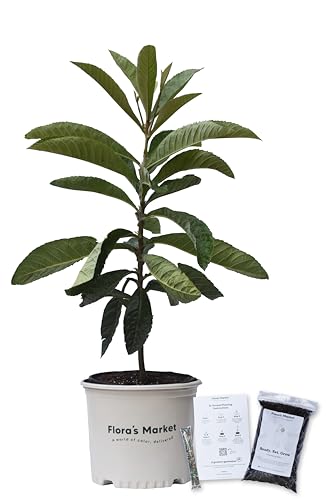
    TomorrowSeeds - Loquat Tree Seeds - 30+ Count - for 2026 Planting Eriobotrya Japonica Chinese Pipa Japanese Biwa Bibasse Plum Nispero Asian Fruit Perennial Trees Perennial Grow Your Own Home Farm
    TomorrowSeeds - Loquat Tree Seeds - 30+ Count - for 2026 Planting Eriobotrya Japonica Chinese Pipa Japanese Biwa Bibasse Plum Nispero Asian Fruit Perennial Trees Perennial Grow Your Own Home Farm

    Produces sweet, tangy, and juicy fruits ideal for fresh eating or preserves
    VIEW LATEST PRICE

    As an affiliate, we earn on qualifying purchases.

    MUST READ
    Is Loquat Wood Used for Crafting
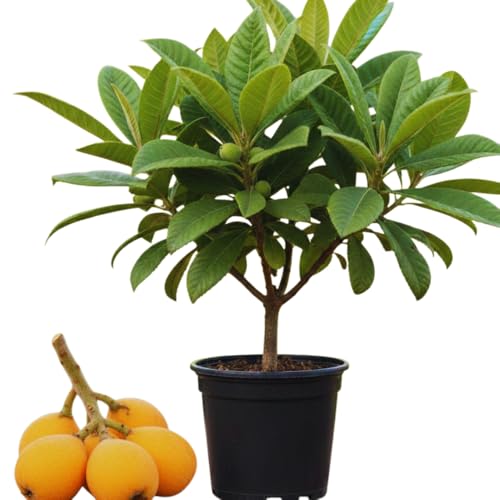
    Loquat Tree Large Fruiting Tree - Includes Planting Kit (2-3 ft.)
    Loquat Tree Large Fruiting Tree - Includes Planting Kit (2-3 ft.)

    SWEET, TROPICAL FRUIT - Loquat trees produce juicy, pear-shaped fruit with a unique, tangy-sweet flavor, perfect for fresh eating or making jams
    VIEW LATEST PRICE

    As an affiliate, we earn on qualifying purchases.

    Golden Loquat Fruit Tree Live Plant, Garden Orchard Fruit Tree, 4 Inch Pot
    Golden Loquat Fruit Tree Live Plant, Garden Orchard Fruit Tree, 4 Inch Pot

    Produces sweet, golden loquat fruits when mature, ideal for home gardens or patios. No ship to CA

    VIEW LATEST PRICE

    As an affiliate, we earn on qualifying purchases.

    Loquat Trees: Wildlife Habitat

    The lush foliage and abundant fruit of loquat trees create a welcoming habitat for a diverse array of wildlife in local ecosystems. Wildlife observation becomes an enchanting experience as you witness birds, such as robins and thrushes, flitting among the branches, feasting on ripe loquats.

    Squirrels scamper up the trunk, carrying off fruit in their mouths to enjoy later or bury for the winter. Insects, like butterflies and bees, are drawn to the sweet nectar of loquat blossoms, enhancing the picturesque scene with their delicate fluttering and gentle buzzing.

    Urban greenery takes on a whole new meaning as loquat trees become a bustling haven for wildlife, adding a touch of wilderness to the city landscape.

    Loquat Trees: Air Quality Improvement

    Loquat trees play a vital role in improving air quality, as they absorb pollutants and release oxygen, contributing to a cleaner and healthier environment. The presence of these trees in urban areas is particularly crucial for air purification. Their ability to filter out harmful substances such as carbon monoxide, sulfur dioxide, and nitrogen dioxide helps in reducing air pollution. Not only do loquat trees act as natural air purifiers, but they also add to the overall urban greenery, creating a more pleasant and sustainable environment for all living organisms. Below is a table illustrating the pollutants absorbed by loquat trees and the oxygen released as part of their air purification role.

    MUST READ
    How to Properly Water Loquat Trees
    Pollutants AbsorbedOxygen Released
    Carbon MonoxideOxygen
    Sulfur DioxideOxygen
    Nitrogen DioxideOxygen
    Particulate MatterOxygen
    OzoneOxygen

    Conclusion

    In appreciating and protecting loquat trees, we're nurturing a healthy and diverse ecosystem.

    Their role in enriching the soil, supporting biodiversity, providing wildlife habitat, and improving air quality is crucial for our communities and the planet.

    Let's continue to value and safeguard these essential ecosystem players for a sustainable and vibrant environment.

    Share. Facebook Twitter Pinterest LinkedIn Tumblr Email
    lucy smith
    Lucy Smith
    • Website

    Lucy Smith is a highly experienced horticulturist with a passion for fruit tree cultivation. She holds a degree in Horticulture from the University of California, Davis, and has worked in various roles in the industry. With over 10 years of experience, Lucy is dedicated to using eco-friendly methods for sustainable gardening practices.

    Related Posts

    Why Do Loquat Trees Produce Edible Fruit

    March 5, 2024

    Can Loquat Trees Adapt to Climate Change

    March 5, 2024

    Creating a Wildlife Habitat With Loquat Trees

    March 5, 2024

    Where Are Loquat Trees Considered Invasive

    March 5, 2024

    Is Loquat Tree Pollen Allergenic

    March 5, 2024

    Can Loquat Trees Be Used in Traditional Medicine

    March 5, 2024
    Leave A Reply Cancel Reply

    Affiliate Disclosure

    As an Amazon Associate I earn from qualifying purchases.

    Recommended Reading

    Are fig trees good indoor plants?

    Is Chicken Manure Good for Fruit Trees: Benefits and Application Tips for Healthy Growth

    How Long Do Pawpaw Trees Take to Bear Fruit and Tips for Faster Growth

    Ultimate Guide: How to Grow Kiwi Fruit Successfully at Home

    How Long Does It Take for Tangerine Dancy Trees to Mature: A Comprehensive Guide

    How to Create a Tropical Garden With Guava Trees

    Can Mulberry Trees Grow in South Dakota? Cold-Climate Tips

    Avocado Trees in North Carolina: Piedmont and Mountain Success

    What Is the Best Grapefruit Tree for Your Garden? Expert Tips for Growing Healthy Trees and Delicious Fruit

    Can Lemon Trees Grow in Iowa? Proven Winter Care Methods

    Fruit Tree Hub

    Fruit Tree Hub is a website dedicated to providing you everything you need to grow fruit trees successfully at in your own yard.

    Contact us at: [email protected]

    - AFFILIATE DISCLOSURE: As an Amazon Associate I earn from qualifying purchases.

    Latest Posts

    21 Colorful Halloween Crochet Motifs Featuring Pumpkins Bats and Black Cats

    23 Smart Halloween Crochet Ideas to Sell as Keychains and Coasters

    22 Fun Halloween Crochet Ideas Built Around Treat Bags and Hats

    23 Adorable Halloween Amigurumi Ideas Featuring Ghosts and Black Cats

    22 Compact Halloween Crochet Decorations for Shelves and Small Spaces

    19 Practical Halloween Crochet Decorations Designed for Tabletop Displays

    24 Cozy Halloween Crochet Decor Ideas Built Around Mantel Garlands

    19 Playful Kawaii Halloween Crochet Ideas Featuring Smiling Spooky Characters

    Categories
    • Almond Trees
    • Apple Trees
    • Apricot Trees
    • Best Fruit Trees
    • Blackberry
    • Cantaloupe
    • Cherry Trees
    • Crochet Ideas
    • Crochet Ideas for Beginners
    • Cucamelon
    • Easy Crochet Ideas
    • Easy Knitting Projects
    • Fall Crochet Ideas
    • Fig Trees
    • Grapefruit Trees
    • Grapes
    • Guava Trees
    • Halloween Crochet Ideas
    • Honeydew
    • Jujube Trees
    • Kiwi
    • Knitting For Beginners
    • Knitting Ideas
    • Knitting Inspiration
    • Lemon Trees
    • Lime Trees
    • Loquat Trees
    • Mango Trees
    • Mulberry Trees
    • Nectarine Trees
    • Olive Trees
    • Orange Trees
    • Papaya Trees
    • Peach Trees
    • Pear Trees
    • Persimmon Trees
    • Planting
    • Plum Trees
    • Pomegranate Trees
    • Quince Trees
    • Raspberry
    • Reviews
    • Small Crochet Ideas
    • Star Fruit Trees
    • Summer Crochet Ideas
    • Tamarind Trees
    • Tangerine Trees
    • Tips and Advice
    • Tools
    • Uncategorized
    • Walnut Trees
    © 2026 Fruit Tree Hub
    • Home
    • About Us
    • Contact
    • Privacy Policy
    • Terms and Conditions
    • Disclaimer
    • Editorial Policy
    • Affiliate Disclosure

    Type above and press Enter to search. Press Esc to cancel.