

Are the supposed health benefits of quince tree bark true? Traditional herbal use and scientific evidence suggest potential benefits.
Before trying it, consider these facts. Stick around to learn more about this natural remedy and whether it could be what you're looking for.
Key Takeaways
- Quince tree bark possesses potent medicinal properties utilized in traditional herbal medicine.
- It is rich in compounds that help neutralize free radicals, protecting cells from damage and reducing the risk of chronic diseases.
- Quince tree bark exhibits anti-inflammatory effects, alleviating conditions such as arthritis, and contributes to improved immune function and overall better health.
- It may help regulate blood sugar levels, support digestive health, and have antimicrobial effects.
Medicinal Properties of Quince Tree Bark
Quince tree bark possesses potent medicinal properties that have been utilized for centuries in traditional herbal medicine. Its antioxidant properties make it a valuable natural remedy for combating oxidative stress in the body. The bark is rich in compounds that help neutralize free radicals, protecting cells from damage and reducing the risk of chronic diseases.
Additionally, quince tree bark exhibits anti-inflammatory effects, which can help alleviate conditions such as arthritis and other inflammatory disorders. By reducing inflammation, it may also contribute to overall improved immune function and better health.
The combination of antioxidant and anti-inflammatory effects makes quince tree bark a promising natural ingredient for supporting overall wellness and potentially addressing various health concerns.
Recommended Products

Pine Bark Extract 100 Mg Per Serving Supplement
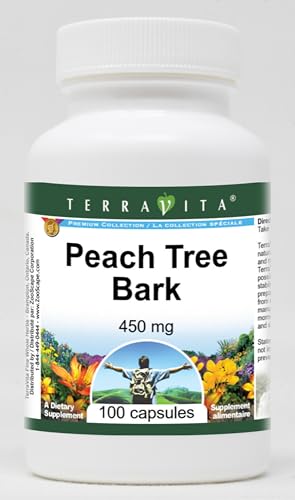
Peach Tree Bark - 450 mg (100 capsules, ZIN: 521102)
Traditional Uses in Herbal Medicine
With a rich history in traditional herbal medicine, the quince tree bark has been prized for its numerous therapeutic applications and is known for its potent medicinal properties.
Herbal remedies utilizing quince tree bark have been historically significant in various cultures, where it has been used to address a range of health issues. The bark is often employed to alleviate digestive disorders, such as diarrhea and gastritis, due to its astringent and anti-inflammatory properties.
Additionally, it has been traditionally utilized to soothe coughs and respiratory ailments, demonstrating its versatility in herbal medicine. Its historical significance in herbal remedies highlights the enduring value placed on the quince tree bark as a natural medicinal resource.
Whether used in decoctions, tinctures, or poultices, the bark continues to be a notable component in traditional herbal medicine practices.
Scientific Evidence and Studies
Having been traditionally prized for its therapeutic applications in herbal medicine, the quince tree bark's potential benefits have also garnered attention in scientific evidence and studies.
Clinical trials have shown promising results regarding the medicinal properties of quince tree bark. Research findings suggest that quince tree bark contains compounds with anti-inflammatory and antioxidant properties, which may be beneficial for various health conditions.
Additionally, studies have indicated that certain components of the bark may have antimicrobial and anti-cancer effects. These findings provide scientific support for the traditional uses of quince tree bark in herbal medicine and have sparked further interest in exploring its potential pharmaceutical applications.
As research in this area continues to evolve, it's becoming increasingly clear that quince tree bark holds significant promise for medicinal purposes.
Potential Health Benefits
Rich in essential nutrients and bioactive compounds, quince tree bark offers a range of potential health benefits that have piqued the interest of researchers and health enthusiasts alike.
Studies suggest that quince tree bark may have anti-inflammatory and antioxidant properties, which could contribute to overall health and wellness.
Additionally, it's believed to have antimicrobial effects, potentially aiding in fighting off infections.
Some research also indicates that quince tree bark may help regulate blood sugar levels and support digestive health.
However, it's important to note that while quince tree bark shows promise, more research is needed to fully understand its potential health benefits.
As with any natural remedy, it's crucial to consult with a healthcare professional for appropriate dosage recommendations and to be aware of any potential side effects.
Recommended Products

Pine Bark Extract - Our Pine Bark Extract supplement helps with antioxidant support. Our Vegan formula is made with high-quality Pine Bark extract to ensure maximum potency and effectiveness.

90% OPC PINE PARK EXTRACT: Derived from the inner bark of Chinese red pine and prized for its powerful free radical-scavenging elements*

Pine Bark Capsules for Overall Health: These Pine bark extract capsules are formulated from Pinus maritima (commonly known as pine bark). Intended to support overall health, pine bark powder capsules also help with antioxidant support.
Recommended Usage and Precautions
To maximize the potential benefits and minimize the risks, it's important to understand the recommended usage and precautions for using quince tree bark medicinally.
When using quince tree bark, it's crucial to follow dosage recommendations to avoid potential side effects. As a general guideline, it's recommended to consult with a healthcare professional or an herbalist to determine the appropriate dosage based on individual health conditions and other medications being taken.
It's important to note that excessive consumption of quince tree bark may lead to adverse effects such as stomach irritation or allergic reactions in some individuals.
Additionally, pregnant or breastfeeding women should exercise caution and seek medical advice before using quince tree bark medicinally.
Being mindful of these precautions can help ensure the safe and beneficial use of quince tree bark for medicinal purposes.
Recommended Products

NATURAL WELLNESS SUPPORT: The bark of the magnolia tree has been used by Chinese herbalists for centuries to support digestive and respiratory health. This full spectrum formula also supports the nervous system using ingredients you can trust.
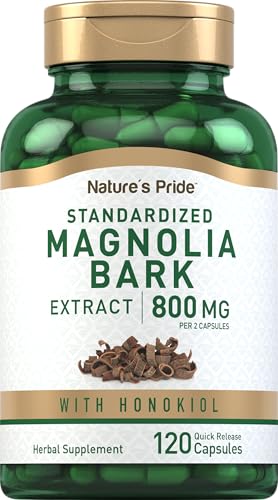

MAGNOLIA BARK: A traditional herb used in Chinese wellness practices for centuries
Conclusion
In summary, quince tree bark has a long history in herbal medicine and shows potential for various health benefits. While more research is needed to fully understand its effects, it's important to seek professional advice before using it medicinally.
Considering its traditional uses, quince tree bark may offer promising possibilities for human health.
