
Close Menu
    Fruit Tree Hub
    • Home
    • Apple Trees
    • Lemon Trees
    • Mango Trees
    • Orange Trees
    • More Trees
      • Best Fruit Trees
      • Apricot Trees
      • Cherry Trees
      • Fig Trees
      • Lime Trees
      • Mulberry Trees
      • Peach Trees
      • Pear Trees
      • Plum Trees
      • Pomegranate Trees
    • Tips and Advice
      • Tools
    • About Us
      • Contact
      • Privacy Policy
    Fruit Tree Hub
    Home»Fruit Trees»Quince Trees»Why Do Quince Trees Have Fuzzy Leaves
    Quince Trees

    Why Do Quince Trees Have Fuzzy Leaves

    Lucy SmithBy Lucy SmithFebruary 20, 20244 Mins Read
    Share Facebook Twitter Pinterest WhatsApp Email
    Share
    Facebook Twitter LinkedIn Pinterest Telegram Email

    Quince trees have fuzzy leaves for more than just looks. The reason behind their unique foliage is quite interesting.

    Contents show
    1 Key Takeaways
    2 Quince Tree Characteristics
    3 Purpose of Fuzzy Leaves
    4 Benefits of Fuzzy Leaves
    5 Adaptation to Environment
    6 Role in Pest Defense
    7 Conclusion

    Standing under a quince tree, you might wonder why its leaves are so fuzzy. But there's a simple explanation for this distinctive feature.

    Key Takeaways

    • Quince trees have fuzzy leaves that serve multiple beneficial purposes, including retaining moisture, deterring pests, regulating temperature, and reducing water loss.
    • The fuzzy texture of the leaves creates a microclimate that helps the tree adapt to different environmental conditions and promotes its resilience.
    • Fuzzy leaves act as a natural defense mechanism against pests, reducing the need for chemical pesticides and promoting sustainability.
    • Quince trees are prolific bearers of fragrant, golden-yellow fruits, adding to their overall value and appeal.

    Quince Tree Characteristics

    Quince trees are known for their distinctive fuzzy leaves that add a unique texture to the tree's overall appearance. The leaf structure of quince trees typically consists of ovate-shaped leaves that are covered in a soft fuzz, giving them a silvery-green hue. This fuzzy coating serves as a protective layer, helping the leaves retain moisture and withstand harsh environmental conditions. Additionally, the fuzzy texture acts as a deterrent against pests and herbivores.

    When it comes to fruit production, quince trees are prolific bearers of fragrant, golden-yellow fruits. The fruits are rich in pectin, making them ideal for jams, jellies, and preserves.

    Their unique combination of fuzzy leaves and bountiful fruit production makes quince trees a delightful addition to any garden or landscape.

    MUST READ
    How to Identify Different Quince Tree Varieties

    Recommended Products

    Cameo Flowering Quince - Live Plant Shipped 2 to 3 Feet Tall by DAS Farms
    Cameo Flowering Quince - Live Plant Shipped 2 to 3 Feet Tall by DAS Farms

    Do not transplant into another container, only the ground. All pictures are of fully grown plants. Sizes shipped are in the title and description. Deciduous plants do not have leaves in the winter.
    VIEW LATEST PRICE

    As an affiliate, we earn on qualifying purchases.

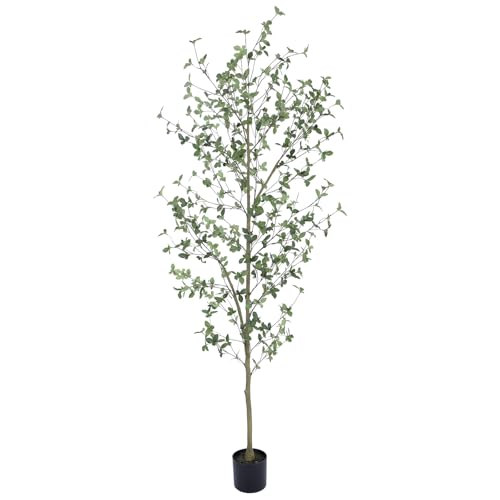
    Bellacat 7ft Artificial Quince Leaf Tree with Realistic Trunks, 84in Faux Quince Leaf Tree with Lifelike Leaves for Garden, Home, Living Room Decor
    Bellacat 7ft Artificial Quince Leaf Tree with Realistic Trunks, 84in Faux Quince Leaf Tree with Lifelike Leaves for Garden, Home, Living Room Decor

    Minimalist Design: The faux quince leaf tree designed in line with the concept of minimalist aesthetics, presents a clean and fresh visual style. The neat lines and bright colors complement each other, creating an elegant and tranquil atmosphere, and infusing a touch of ease and serenity into modern life.

    VIEW LATEST PRICE

    As an affiliate, we earn on qualifying purchases.

    Purpose of Fuzzy Leaves

    Adorned with a velvety layer of fuzz, the leaves of quince trees serve multiple essential purposes in protecting and nurturing the tree.

    The fuzzy texture of the leaves plays a crucial role in providing insulation, helping the tree to regulate its temperature and minimize water loss.

    Additionally, the fuzz on the leaves aids in retaining water, creating a microclimate that reduces transpiration, especially in arid conditions. This feature is particularly advantageous in regions with limited water availability.

    Furthermore, the fuzzy leaves act as a deterrent to herbivores, making them less palatable and reducing the risk of damage to the tree.

    Benefits of Fuzzy Leaves

    With their velvety texture serving as a protective shield, the fuzzy leaves of quince trees offer a myriad of benefits to the tree's overall health and resilience, especially in challenging environmental conditions.

    MUST READ
    How to Identify Different Quince Tree Varieties

    The insulation provided by the fuzzy leaves helps regulate the temperature of the tree, protecting it from both extreme heat and cold. This insulation also minimizes water loss through transpiration, conserving moisture during drought conditions.

    Additionally, the fuzzy hairs act as a barrier against pests and herbivores, deterring them from damaging the leaves and potentially harming the tree. Furthermore, the fuzzy texture of the leaves reduces the impact of strong winds, preventing excessive evaporation and physical damage.

    Recommended Products

    2-Pack Live Dwarf Flowering Quince Tree, Rooted in 5" Pot, Very Hardy
    2-Pack Live Dwarf Flowering Quince Tree, Rooted in 5" Pot, Very Hardy

    LIVE DWARF FLOWERING QUINCE TREE: Comes rooted and ready to grow in a 5-inch plastic pot, making it easy to transplant.

    VIEW LATEST PRICE

    As an affiliate, we earn on qualifying purchases.

    Texas Scarlet Flowering Quince - Brilliant Red Blooms - Live Plant Shipped 1 to 2 Feet Tall by DAS Farms
    Texas Scarlet Flowering Quince - Brilliant Red Blooms - Live Plant Shipped 1 to 2 Feet Tall by DAS Farms

    These are ready to plant and should be put in the ground according to the included instructions upon arrival. All pictures are of fully grown plants. Sizes shipped are in the title and description. Deciduous plants do not have leaves in the winter.

    VIEW LATEST PRICE

    As an affiliate, we earn on qualifying purchases.

    one Live Edible Quince Tree Seedling, just sprouted, in Large 6" Pot Fruit
    one Live Edible Quince Tree Seedling, just sprouted, in Large 6" Pot Fruit

    LIVE QUINCE SEEDLING: Receive one freshly sprouted, live edible quince tree seedling ready to grow and thrive.

    VIEW LATEST PRICE

    As an affiliate, we earn on qualifying purchases.

    Adaptation to Environment

    Nestled among various environmental landscapes, quince trees have adeptly adapted to their surroundings, displaying remarkable resilience in the face of diverse challenges. Their environmental adaptation is evident in the unique structure of their fuzzy leaves.

    • Water Retention: The fuzzy nature of quince tree leaves allows them to trap moisture, reducing water loss through evaporation and enabling the tree to thrive in arid climates.
    • Pest Resistance: The fuzzy texture acts as a natural deterrent to pests, protecting the leaves from damage and ensuring the tree's continued growth and health.
    • Temperature Regulation: The fuzz on the leaves creates a microclimate, providing insulation against extreme temperatures and protecting the tree from both heat and cold stress.
    MUST READ
    How to Identify Different Quince Tree Varieties

    These remarkable adaptations enable quince trees to flourish in a wide range of environmental conditions, making them a resilient and versatile species.

    Role in Pest Defense

    The fuzzy leaves of quince trees serve as a natural defense mechanism against pests, providing protection and promoting the tree's overall health and growth.

    The unique leaf structure, with its fuzziness and rough texture, acts as a deterrent to pests. The tiny hairs on the leaves make it difficult for insects and other potential pests to move around freely, reducing their ability to feed on the leaves or lay eggs.

    Additionally, the fuzz can physically trap small pests, preventing them from causing damage to the tree. This pest resistance not only safeguards the quince tree from harm but also minimizes the need for chemical pesticides, promoting a more sustainable and eco-friendly environment.

    Conclusion

    In nature, the fuzzy leaves of quince trees not only add to their charm but also serve a vital purpose. This unique feature is a testament to the tree's adaptability and resilience, helping it thrive and defend against pests.

    It's a reminder of nature's remarkable ability to adapt and protect itself.

    Share. Facebook Twitter Pinterest LinkedIn Tumblr Email
    lucy smith
    Lucy Smith
    • Website

    Lucy Smith is a highly experienced horticulturist with a passion for fruit tree cultivation. She holds a degree in Horticulture from the University of California, Davis, and has worked in various roles in the industry. With over 10 years of experience, Lucy is dedicated to using eco-friendly methods for sustainable gardening practices.

    Related Posts

    Why Do Quince Trees Produce Large Flowers

    February 27, 2024

    Can Quince Trees Adapt to Climate Change

    February 27, 2024

    Creating a Wildlife Habitat With Quince Trees

    February 27, 2024

    Where Are Quince Trees Considered Invasive

    February 27, 2024

    Is Quince Tree Pollen Allergenic

    February 26, 2024

    Can Quince Trees Be Used in Traditional Medicine

    February 26, 2024
    Leave A Reply Cancel Reply

    Affiliate Disclosure

    As an Amazon Associate I earn from qualifying purchases.

    Recommended Reading

    Tangerine Trees in a Pot in Hawaii: Complete Maintenance Manual

    Peach Trees in a Pot in Massachusetts (Coastal Growth Manual)

    Mastering Raspberry Growth in Minnesota: Essential Tips for a Bountiful Harvest

    Orange Trees in Maryland (Mid-Atlantic Planting and Care)

    Fruit Trees for Montana: Cold-Climate Tips for Massive Harvests

    How to Take Care of Fruit Trees in Spring for a Healthy and Abundant Harvest

    How Many Years Does a Lemon Tree Produce Fruit for Homegrown Harvests and Care Tips

    Persimmon Trees in Maryland (Mid-Atlantic Planting and Care)

    How Long Do Peach Trees Take to Fruit and Tips for Growing a Bountiful Harvest

    Persimmon Trees in Alaska (Surviving Extreme Northern Climates)

    Fruit Tree Hub

    Fruit Tree Hub is a website dedicated to providing you everything you need to grow fruit trees successfully at in your own yard.

    Contact us at: [email protected]

    - AFFILIATE DISCLOSURE: As an Amazon Associate I earn from qualifying purchases.

    Latest Posts

    Can Olive Trees Grow in New Jersey? Garden State Growth Tips

    Can Star Fruit Trees Grow in Missouri? Expert Variety Guide

    How to Grow Jujube Trees in Las Vegas, NV: Desert Growth

    Mango Trees in Illinois: Indoor and Greenhouse Growth Secrets

    Growing Papaya Trees in Oklahoma: High Heat Resilience

    Tamarind Trees in a Pot in Ohio (Complete Maintenance Manual)

    Can Fig Trees Grow in Long Beach, CA? Coastal Salt Tips

    Plum Trees in District of Columbia (Urban Microclimate Tips)

    Categories
    • Almond Trees
    • Apple Trees
    • Apricot Trees
    • Best Fruit Trees
    • Blackberry
    • Cantaloupe
    • Cherry Trees
    • Crochet Ideas
    • Crochet Ideas for Beginners
    • Cucamelon
    • Easy Crochet Ideas
    • Easy Knitting Projects
    • Fig Trees
    • Grapefruit Trees
    • Grapes
    • Guava Trees
    • Honeydew
    • Jujube Trees
    • Kiwi
    • Knitting For Beginners
    • Knitting Ideas
    • Knitting Inspiration
    • Lemon Trees
    • Lime Trees
    • Loquat Trees
    • Mango Trees
    • Mulberry Trees
    • Nectarine Trees
    • Olive Trees
    • Orange Trees
    • Papaya Trees
    • Peach Trees
    • Pear Trees
    • Persimmon Trees
    • Planting
    • Plum Trees
    • Pomegranate Trees
    • Quince Trees
    • Raspberry
    • Reviews
    • Small Crochet Ideas
    • Star Fruit Trees
    • Summer Crochet Ideas
    • Tamarind Trees
    • Tangerine Trees
    • Tips and Advice
    • Tools
    • Uncategorized
    • Walnut Trees
    © 2026 Fruit Tree Hub
    • Home
    • About Us
    • Contact
    • Privacy Policy
    • Terms and Conditions
    • Disclaimer
    • Editorial Policy
    • Affiliate Disclosure

    Type above and press Enter to search. Press Esc to cancel.