

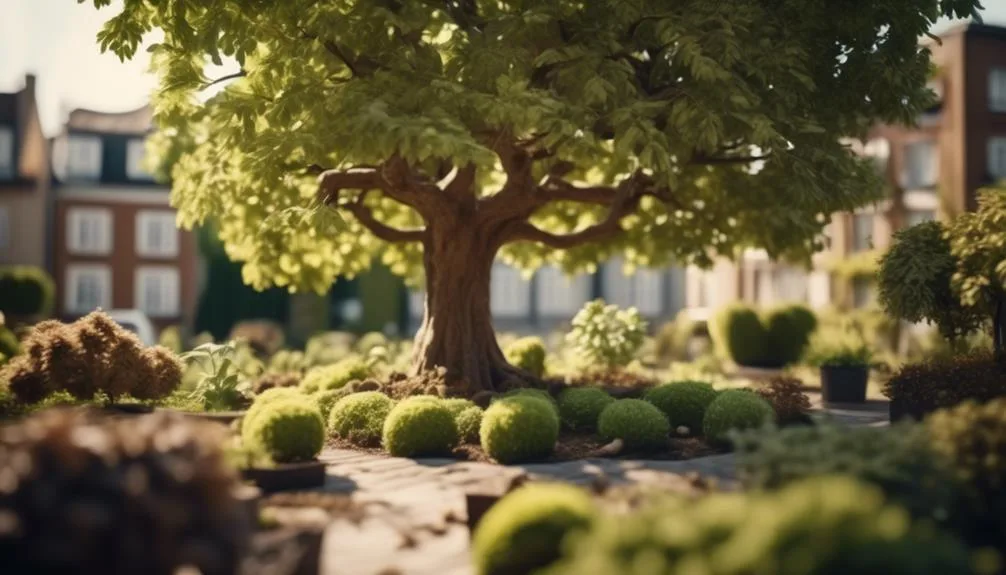
Thinking about adding a walnut tree to your small garden? Before you decide, there are some important things to think about.
From how big the tree will get to how much care it will need, there's a lot to consider.
Let's take a closer look at whether a walnut tree is the best choice for your garden, or if there might be other trees that would work better.
Key Takeaways
- Consider the growth and size of walnut trees for small gardens, as they can have extensive root systems and reach considerable heights.
- Choose a walnut tree variety that is well-suited to the available space and take into account potential interference with other plants or structures.
- Walnut trees thrive in well-drained, slightly acidic soil with a pH level between 6 and 7. They require full sunlight for 6 to 8 hours a day and a moderate amount of water.
- Regular maintenance and pruning are needed for walnut trees, including removing dead or diseased branches and providing proper care throughout the year. Monitor for common diseases and pests.
Growth and Size Considerations
When selecting walnut trees for a small garden, it's important to consider the growth and size of the trees to ensure they fit well within the available space. The root system of walnut trees can be extensive, so it's crucial to consider space limitations and potential interference with other plants or structures.
Additionally, tree height is a significant factor to take into account as it can have a substantial visual impact on the garden. Some varieties of walnut trees can reach considerable heights, which may not be suitable for small gardens.
Therefore, when choosing a walnut tree for a small garden, consider the mature size of the tree and select a variety that's well-suited to the available space to ensure it thrives without overcrowding the garden.
Recommended Products
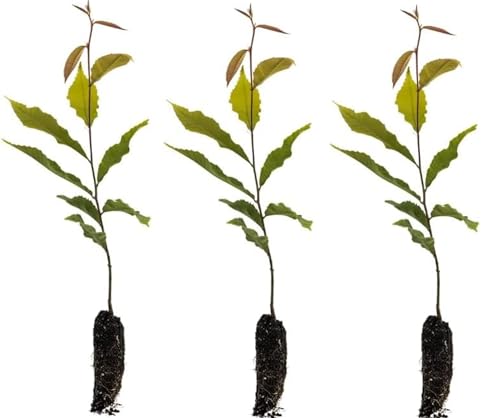
🌰 Productive Nut-Bearing Trees – Chestnut trees produce sweet, edible nuts perfect for roasting, cooking, and home harvests once mature. Plants may ship without leafs.

🌰 PRODUCE VALUABLE WALNUTS Grow your own black walnuts for fresh eating, baking, and wildlife. A rewarding tree that produces nutritious, high-value nuts.

Grows into a tall tree, typically reaching about 50–75 feet or more at maturity
Soil and Sunlight Requirements
To ensure the successful growth of walnut trees in your small garden, it's essential to carefully consider their soil and sunlight requirements. Walnut trees thrive in well-drained, deep, and slightly acidic soil with a pH level between 6 and 7. Additionally, they require full sunlight for at least 6 to 8 hours a day to flourish.
When it comes to watering, walnut trees generally need a moderate amount of water, especially during dry periods. However, it's crucial to avoid over-watering, as walnut trees are susceptible to root diseases in waterlogged soil.
As for fertilizer, using a balanced fertilizer with a slightly higher nitrogen content in the spring can promote healthy growth. Always follow the instructions on the fertilizer label to ensure proper application.
Recommended Products

【4 in 1 function】This is a 4-in-1 multifunctional soil tester.Our soil tester fastly to measure soil moisture, pH, temperature and sunlight to help you take better care of flowers and plants.You can know when you need to water your soil by measuring moisture and pH & Temperature value of the soil and sunlight level of plants with it.

Quick, at home results for Soil pH, Nitrogen, Phosphorous and Potash Innovative and inexpensive soil test kit features an easy-to-use capsule system and patented color comparators

Accurate Soil pH Testing: Dewildetradingco Soil pH Test Strips offer measurements of soil pH levels (pH 3.5-9). As an essential tool for every gardener and grower, these test strips help determine the optimal pH for various plants, such as outdoor plants, indoor plants, gardens, grass lawns, fruit trees, flowers, vegetables, and forest shrubs.
Maintenance and Pruning Needs
For maintaining healthy walnut trees in your small garden, regular pruning and maintenance are essential to promote strong growth and fruit production. Here are some key maintenance and pruning techniques to keep your walnut trees thriving:
- Regular Pruning: Prune your walnut trees annually during the dormant season to remove dead or diseased branches and to shape the tree for optimal growth.
- Seasonal Care: Provide proper care throughout the year, including adequate watering, mulching, and fertilization to support the tree's overall health and fruit production.
- Disease Management: Keep an eye out for common walnut tree diseases such as walnut blight and anthracnose, and take necessary measures to prevent and manage them.
- Pest Control: Monitor for pests like walnut husk flies and aphids, and implement integrated pest management strategies to protect your trees from infestations.
Potential for Nut Allergies
If you or anyone in your household has a nut allergy, it's important to be aware of the potential risks associated with growing walnut trees in your small garden. Walnut trees produce pollen that can trigger allergic reactions in some individuals. The impact on pollination from walnut trees can potentially cause discomfort for those with nut allergies.
It's crucial to consider the health benefits of walnuts against the potential risks. While walnuts are known for their numerous health benefits, including being a good source of omega-3 fatty acids and antioxidants, the presence of walnut trees in your garden may pose challenges for those with nut allergies.
Before planting a walnut tree, it's advisable to consult with an allergist to understand the potential risks and implications for your household.
Alternative Tree Options
Considering the potential challenges associated with walnut trees, exploring alternative tree options for your small garden becomes essential. When selecting trees for your small garden, it's important to consider tree diversity, aesthetics, space-saving, and container gardening. Here are some alternative tree options to consider:
- Japanese Maple: This elegant tree offers stunning foliage and a compact size, making it perfect for small gardens.
- Dwarf Fruit Trees: Opt for varieties like dwarf apple or pear trees, which not only provide fruits but also add beauty to your garden.
- Crape Myrtle: With its vibrant flowers and attractive bark, this tree brings a pop of color and visual interest to your garden.
- Columnar Trees: These narrow and upright trees, such as columnar oaks or columnar beeches, are excellent for maximizing space in small gardens while adding vertical interest.
Selecting alternative tree options can help you create a beautiful and functional small garden space.
Recommended Products

Elegant Ornamental Japanese Maple: Features finely cut, delicate foliage with striking seasonal color, making it a standout focal point in landscapes, patios, and garden beds.


Dwarf Japanese Maple Variety: Garnet Japanese Maple features a compact size suitable for limited garden spaces and smaller landscapes
Conclusion
Considering the size and maintenance needs of walnut trees, they may not be the best fit for all small gardens.
It's important to explore alternative options like dwarf fruit trees or ornamental varieties that can meet your garden's needs without overwhelming the space.
Always research and choose trees that align with your space and lifestyle for the best results.
